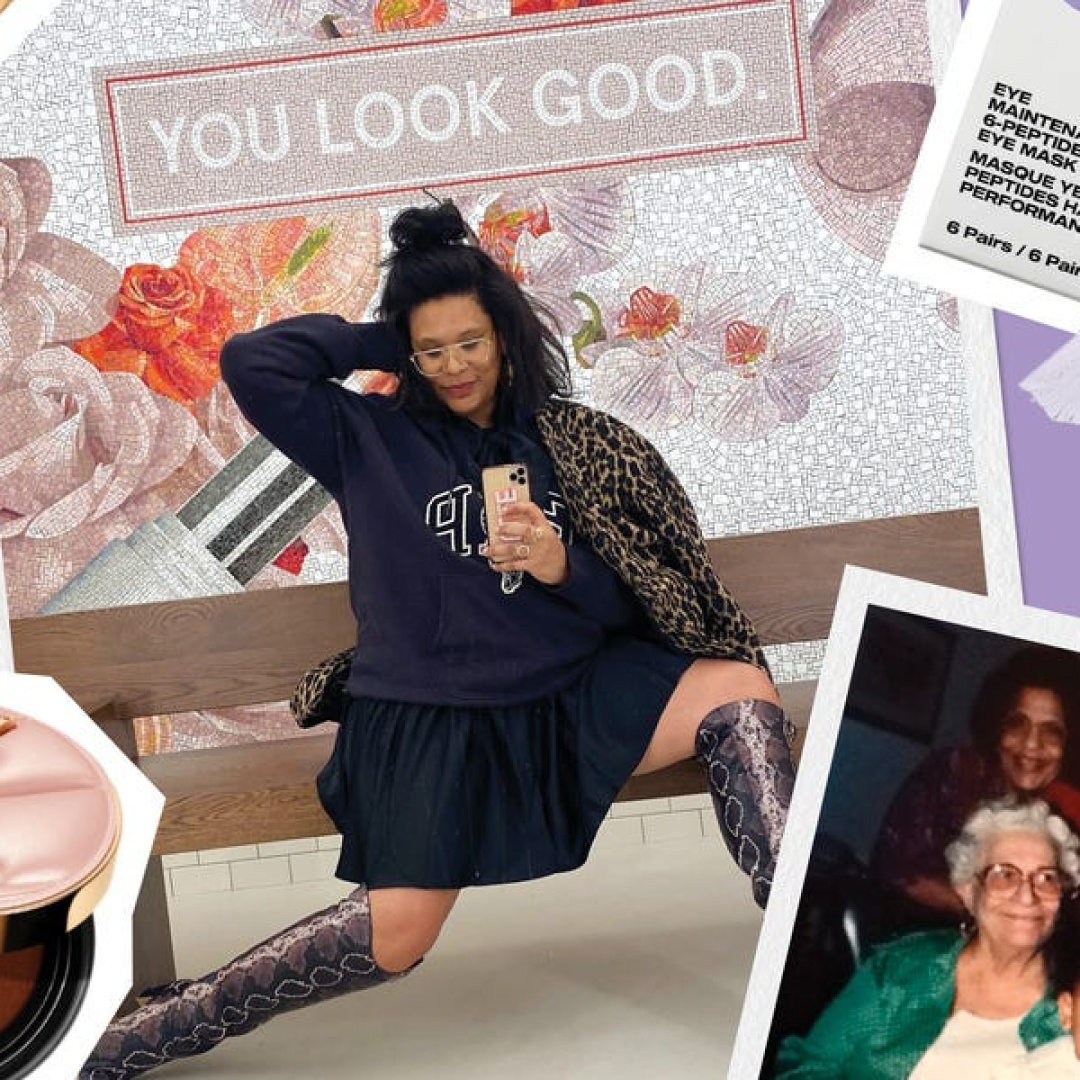
New Influencer Standard Requires Products Used Only in Front of the Camera

The influencer community has reached an unprecedented level of absurdity with the introduction of a new standard requiring that all products showcased must only be used in front of cameras. This latest requirement ensures that consumers can remain blissfully unaware of the reality that influencers may never actually utilize the products they promote. In an era where authenticity and relatability are touted as key selling points, the need for influencers to engage in this performative authenticity has never been more apparent.
This shift demands not only that influencers sell products they would never consider using in real life, but also that they maintain a level of perfection that is seemingly unattainable. Influencers must now engage in a meticulous performance art, where each product review becomes a ritualistic display designed to captivate and manipulate followers, all while serving as an on-screen advertisement. Potential buyers are left wondering which part of their favorite products is merely a prop and which functions as legitimate skincare.
Objects of Questionable Importance
Must Have Sponsors.
Adding another layer of complexity, influencers are expected to keep their homes and lives immaculate, resembling curated editorial spreads rather than relatable spaces. This requires endless hours of cleaning, styling, and planning content that will provide the perfect backdrop for their products—because nothing says "I care about my audience" quite like a perfectly staged Instagram post. The pressure to create an aspirational lifestyle has resulted in heightened demands for both influencers and their followers alike, as the pursuit of unattainable beauty standards becomes increasingly competitive.
In a further twist, new metrics have emerged for influencer success, penalizing those who fail to maintain these unrealistic standards. Influencers are now subjected to performance reviews based on their adherence to this new checklist of compliance, which includes maintaining an Instagram grid that is perfectly color-coordinated and devoid of any signs of actual human life. Those who stray from the standard risk losing brand sponsorship and the very livelihood that comes from their carefully constructed online personas.
The New Training for Influencer Performance
As if the stakes weren't high enough, upcoming webinars will teach influencers how to perfect their "influencer face" and the art of eye contact with products that will never actually touch their skin. This additional layer of training underscores the growing belief that influencers must not just be entertainers but also brands unto themselves, leading to a reality where authenticity becomes yet another commodity to be bought and sold.
The Absurd Costs of Compliance
Finally, as influencers are scouted by brands for their impeccable online presence, the need for comprehensive workshops on "influencer ethics" has arisen. These sessions will instruct aspiring influencers on how to safely navigate the treacherous waters of authenticity while still pushing products that may never see a bathroom cabinet. The irony, of course, is that the more influencers learn about faking authenticity, the further they drift from genuine human experience.
This would-be empowerment narrative is now just another facet of consumerism, where presenting an unattainable lifestyle becomes the primary goal. The world waits with bated breath for the next wave of influencer trends, which will undoubtedly demand even more from those who participate in this charade. Ultimately, compliance dictates not just what products are used, but how they are defined within a culture that prizes consumption above all else. As the saying goes, if you can't buy into the illusion, you might just have to learn to perform it.