Russian Fashion Market Targets 60% Domestic Production as Standards Rise
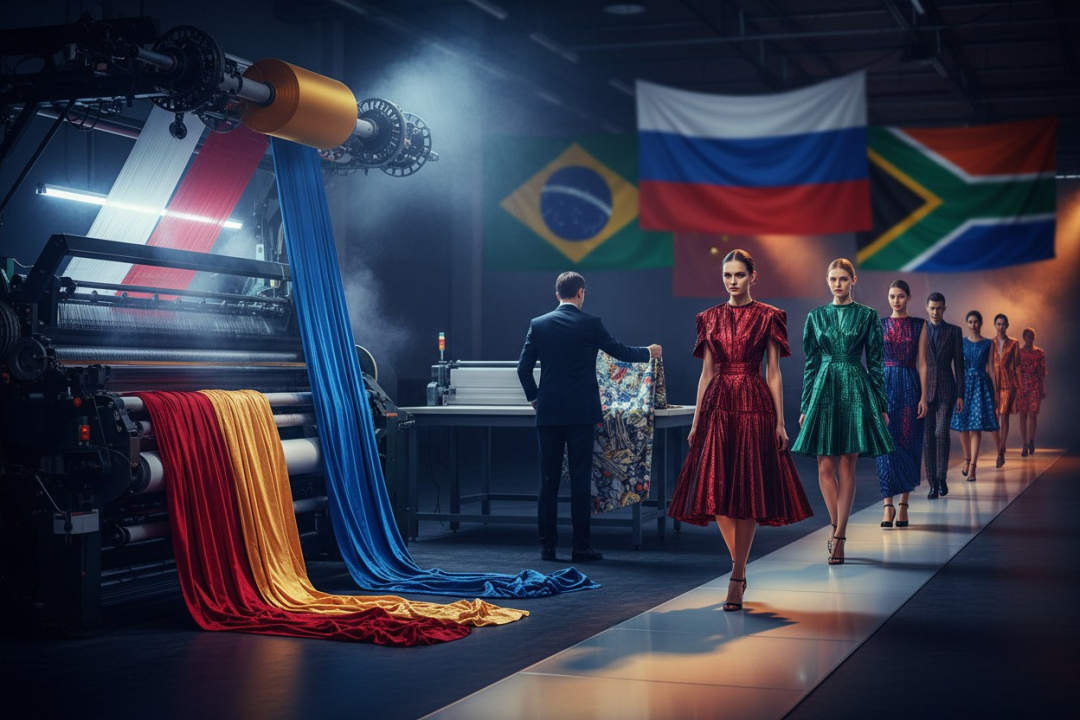
Russian fashion brands are now tasked with meeting an astonishing target of 60% domestic production by 2026, a lofty ambition that has industry insiders buzzing with delight and dread. The much-discussed BRICS+ Fashion Summit has set the stage for a new wave of consumer standards, demanding that every garment not only embodies local craftsmanship but also resonates with the value of self-sufficiency in an increasingly complex market landscape.
The landscape shifts as Russian goods, currently holding a 45% market share, fill the void left by exits of international labels. This monumental shift does not simply reflect a changing tide; it signals a revolution in standards akin to the fashion equivalent of overnight success—where every hem must be flawless, and every fabric ethically sourced from local suppliers. The new target isn’t just a number; it’s a call to arms against the ghosts of fast fashion past.
Objects of Questionable Importance
Must Have Sponsors.
As the government ramps up support for local producers through initiatives like the "New Materials and Chemistry" project, the stakes have never been higher for brand allegiance to the homeland. Yet, amidst this fervor, a concerning trend emerges: the clothing manufacturing segment appears to be reaching market saturation. With a noted 3% decline in production, the question arises—has the initial enthusiasm dwindled, or are we simply witnessing the inevitable growing pains of an industry striving to redefine itself in a world that demands both innovation and tradition?
The absurdity deepens as the minister emphasizes that filling the gaps left by departing international brands requires a dual-sourcing strategy, wherein local brands compete against imports from countries that Russia describes as "friendly." This situation brings forth an intricate tapestry of expectations where domestic excellence must now share the stage with foreign imports, creating a bizarre dichotomy that challenges the very notion of what it means to be a "local" brand in today’s globalized marketplace.
The Shift from Natural to Synthetic Materials
In a surprising twist, the conversation shifts to technological evolution, where the market has increasingly favored synthetic materials over natural fibers. The shift from cotton's dominance, which once comprised half of the market, to a staggering 60% reliance on synthetics prompts the question: are Russian brands advancing, or simply propping up an illusion of progress with lower-quality materials? Consumption of natural fabrics is on the decline, making room for innovations that may or may not have the consumer's best interest at heart.
With ambitious targets set against a backdrop of fluctuating consumer desires and material realities, the landscape of Russian fashion is poised for an intense makeover. As brands scramble to meet rigorous production standards, we can only watch as they navigate the labyrinth of consumer expectations, transforming from mere clothing manufacturers to purveyors of a new cultural ethos.
Expectations Are Rising
The government’s commitment to ramping up production funding indicates a strategic pivot towards embracing domestic materials. However, this push comes with a hefty price tag for the consumer and the industry alike. The looming specter of certifications, compliance fees, and performance metrics hangs heavily over every design meeting, ensuring that creativity is not just a matter of inspiration but a calculated business decision influenced by the specter of financial scrutiny.
In this bewildering climate, one thing is clear: the fashion industry is about to experience an overhaul where perfection is not just desired; it’s mandated. With the standards climbing higher and higher, it begs the question—how long can brands sustain this dizzying pace before the fabric of reality begins to unravel? As they prepare to double down on their strategy and meet the increasingly impossible expectations, the Russian fashion market stands at a precipice of transformation that promises to define not only their future but also the very essence of what it means to be fashionable today.