TikTok Challenge Forces Women to Document Their Lunches for Validation
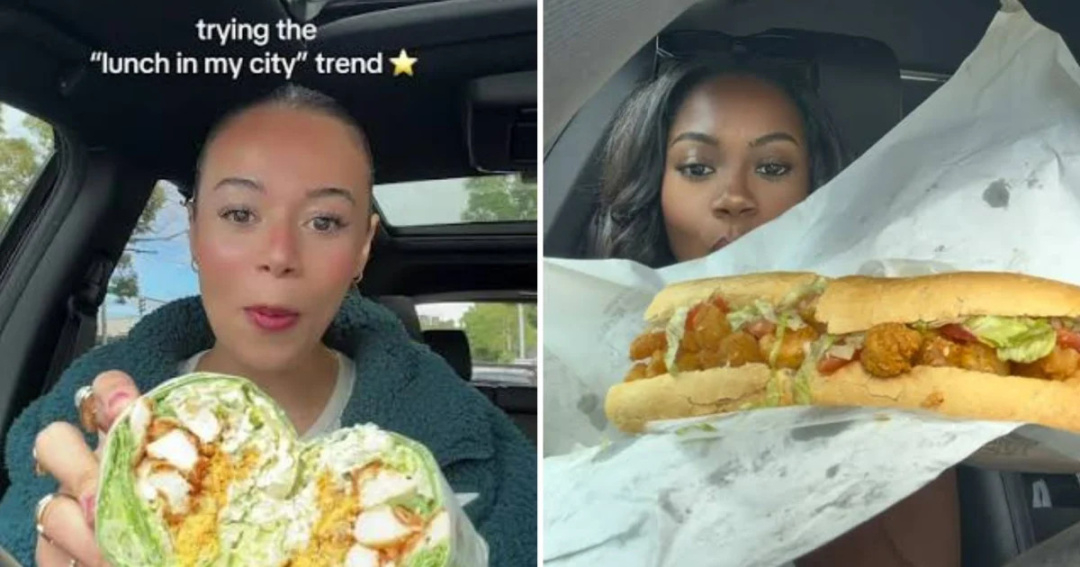
The latest trend sweeping TikTok mandates that women bear witness to their lunch choices, thus transforming an ordinary midday meal into a full-scale social event. Dubbed the 'Lunch in My City' challenge, this initiative compels users to document their gastronomic adventures at local eateries, all in pursuit of likes and validation from an algorithm that thrives on their every bite. Women face the dual pressure of not only selecting the right restaurant from a sea of options but also crafting the perfect video to ensure their lunch gains the requisite social media traction.
Women are now expected to select the first restaurant that pops up in their algorithmically curated search results. This can mean abandoning their go-to lunch spots and exploring unknown locales, with the implicit understanding that any deviation from the trending path could lead to social ostracization. Each meal must be accompanied by a flawless video—a montage of aesthetic angles, tantalizing food shots, and an upbeat voiceover—because, after all, if it isn’t on TikTok, did it even happen?
Objects of Questionable Importance
Must Have Sponsors.
The absurd expectation doesn’t end there. Women participating in this challenge must ensure that their video features not just their lunch but also their own upbeat personality, an attractive, relatable front that aligns with the latest influencer standards. Emotional labor is paramount; they must appear genuinely excited about the pork pupusas or avocado toast in the same way an actress promotes a luxury skincare line. The pressure can be overwhelming, especially when their reputations hinge on the number of views each posting garners.
Moreover, every local establishment showcased carries an unwritten burden of expectation. Small business owners are quick to jump on the influencer bandwagon, hoping for a viral moment that could skyrocket their sales. However, this poses an ethical dilemma: restaurants are now dependent on the whims and fancies of TikTok users to sustain their business. Cleto Medrano of La Famosa describes the sudden influx of customers as a harrowing rollercoaster of social validation that contradicts the family-oriented ethos they built over the past 22 years.
The stakes are exceedingly high, with influencers now finding themselves not only as creators but as the social arbiters of dining culture. The distinction is clear: dining is no longer merely about enjoying a meal; it has morphed into an exhibition matched with a performance review. New metrics dictate what constitutes acceptable local cuisine, with influencers’ choices reflecting not just their personal taste but a calculated strategy designed to maximize engagement and appeal.
The New Standard for Dining Performance
As the trend intensifies, casual diners face the unreality of the situation—where the simplicity of lunch spirals into a complicated game of social metrics and peer competition. Restaurants that don’t meet the latest aesthetic benchmarks risk being overlooked entirely, lost in an avalanche of user-generated content that favors the chic over substance. It’s not merely about enjoying tacos anymore; it’s a test of personal branding in a digital landscape where authenticity is an ever-elusive prize.
In a striking twist of irony, while women strive to enjoy simple pleasures like lunch, they simultaneously find themselves ensnared in a web of digital expectations that dictate not just what they eat but how they present their choices. A simple meal becomes a branded experience, leaving women to wonder if they should bring their lunch or their 'best self' to the social media table. It is a daunting realization that underlines the expectations thrust upon them in a culture that glorifies not just consumption but the performance that accompanies it.
Reality Check
As the 'Lunch in My City' challenge continues to evolve, it is critical to acknowledge the broader implications of these trends. The unyielding demands for creativity and engagement in everyday activities expose a glaring inconsistency in our social fabric, where even lunch breaks become fraught with the weight of societal validation. Individuals striving for perfection in their meals and their videos may unwittingly strip away the joy of experiencing food in its most genuine form, relegated instead to the status of mere content for consumption. How long until eating becomes a chore rather than a celebration of local culture?