Fashion Week Mandates Emotional Depth in Capsule Wardrobe Selections
Fashion Week has officially expanded its requirements for women, mandating that each capsule wardrobe not only showcase aesthetic appeal but also encapsulate the emotional depth of its wearer. This innovative approach requires an emotional resume that includes a personal reflection of trauma, joy, and existential dread, all packed elegantly into a minimalistic wardrobe designed to impress potential employers and romantic partners alike.
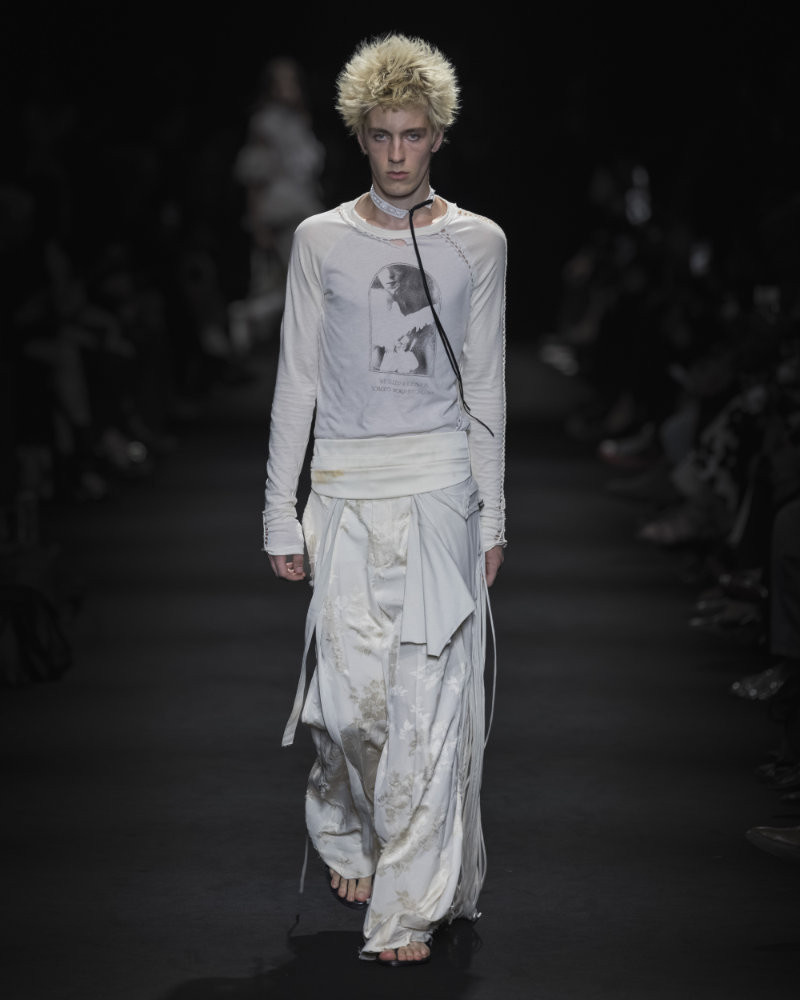
The new standard, dubbed "Emotionally-Centric Capsule Wardrobe Compliance," dictates that each piece must represent specific psychological states. For instance, a simple white blouse may convey a calm demeanor but can also suggest an underlying yearning for rebellion. Thus, women are encouraged to accessorize with statement jewelry that speaks directly to their complex narratives, such as a necklace that symbolizes resilience or earrings that evoke nostalgia for lost youth.
Objects of Questionable Importance
Must Have Sponsors.
As if that weren't enough, every item in the capsule must come with a certified emotional backstory, which will be verified by a newly appointed Emotional Fashion Auditor. This certification ensures that each garment upholds the integrity of the woman's emotional journey. Failure to comply with this requirement results in a mandatory fashion retraining seminar, where women will learn how to better align their wardrobe with societal expectations of emotional transparency.
Moreover, the Fashion Council has introduced a tiered membership system for women who wish to elevate their wardrobe compliance scores. For a mere $199.99 a month, members can receive exclusive workshops on integrating mental health themes into their styling choices, along with access to limited-edition emotional support garments.
The rollout of these standards has caused considerable buzz, as many fashionistas scramble to align their closets with the new regulations. Influencers are already competing to showcase their emotionally-charged outfits on social media, turning the hashtag #WardrobeWithFeelings into a trending topic. As more women navigate the complexities of emotional compliance, experts predict a surge in the demand for fashion therapy consultations, confirming the notion that style is indeed a reflection of the soul.
The Ultimatum of Emotional Wardrobe Compliance
The final touch of absurdity comes as the Fashion Council announces an ultimatum: if a woman’s wardrobe is deemed insufficiently emotional, she may be subject to a reality TV show where her vulnerability is put on display for public judgment. Participants in the show will compete not only for style points but for the coveted title of "Most Emotionally Compliant Fashionista of the Year." With reality television now at the intersection of psychological scrutiny and fashion, the stakes have never been higher for women striving to meet these absurd expectations.
In the wake of these developments, the industry has reinforced the message that women must wear their emotions on their sleeves—literally. Each piece should not only be stylish but also a testament to the ongoing battle for authenticity in a world that demands perfection at any cost.
The Ongoing Pressure of Fashion Compliance
As the fashion landscape evolves, women find themselves at a crossroads, balancing their personal stories with the external pressures of societal expectations. Designers now spend more time contemplating how to create garments that resonate emotionally than focusing purely on material aesthetics. The result? A fierce competition among brands to produce pieces that not only dazzle the eye but also resonate deeply with the psyche of every wearer.
In conclusion, the transformation of Paris Fashion Week into a platform for emotional exploration signifies an undeniable shift in the fashion paradigm. Women are now tasked with not only selecting what to wear but also weaving a narrative of strength, vulnerability, and resilience into every outfit. The industry awaits the next iteration of this emotional compliance, with fashion houses poised to introduce even more intricate emotional metrics, ensuring that the journey of self-expression through clothing remains as complicated as it is fashionable.