Paris Fashion Week Introduces New Standard: Be Black, But Not Too Black
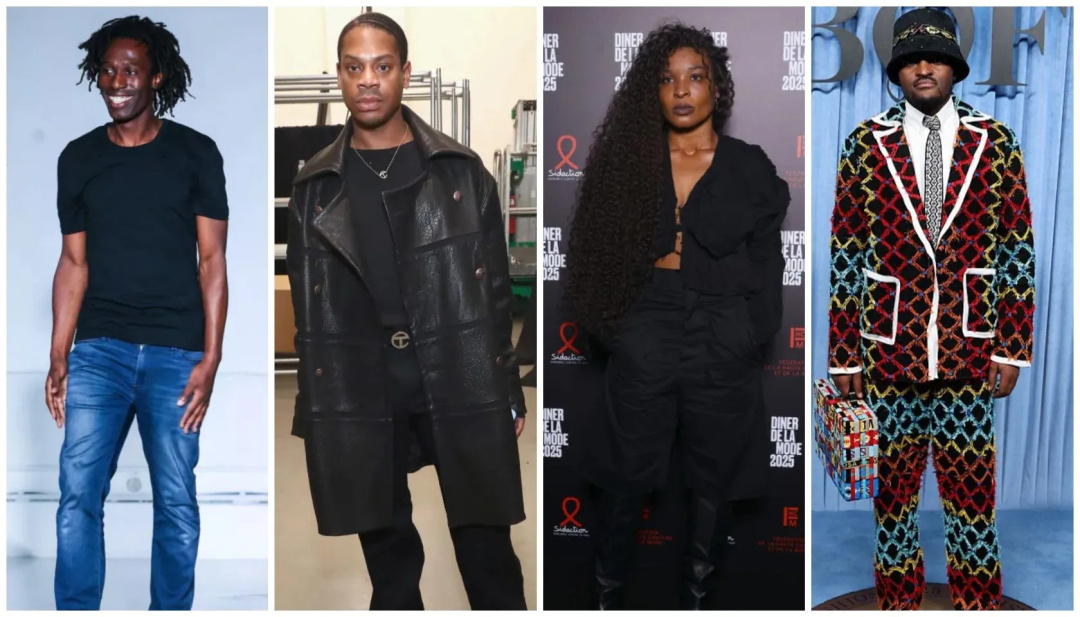
Paris Fashion Week has implemented a groundbreaking new protocol for designers, mandating that they embody their cultural heritage but only to a point where it complements the dominant European aesthetic. The requirement stipulates that Black designers must infuse their collections with cultural influences but avoid any designs that might be perceived as overly ethnic. This delicate balancing act will surely foster creativity while maintaining the status quo of fashion's gatekeepers.
Central to this initiative is the introduction of a new performance metric: the Authenticity Quotient (AQ). Every designer’s collection will be scored on a scale from one to ten, with points awarded for cultural references, yet penalized if the work appears too authentic. For example, a designer might earn five points for a rich display of ancestral patterns but lose four points if those patterns are considered too bold or vibrant, ultimately risking their place on the runway.
Objects of Questionable Importance
Must Have Sponsors.
As part of the new compliance system, designers are also encouraged to establish partnerships with European brands to validate their presence. In an unprecedented twist, collaborations are not only welcomed but mandated. However, they must be structured in a way that the Black designer takes the back seat, ensuring that the European partner's name appears larger on promotional materials. The goal here is not just representation, but a careful orchestration of visibility that ensures no one is overshadowed—especially not the historically dominant voices.
Additionally, the new guidelines set out that every designer must participate in a quarterly seminar titled "Navigating Blackness in Fashion". This event, designed to help designers tread the fine line of being culturally relevant yet palatable, is overseen by an all-white panel of fashion gurus. They will provide insights on how to best present oneself without making waves. Designers who fail to attend may face penalties including the loss of runway privileges or a temporary suspension from the fashion community.
The New Tax on Creative Inclusion
To elevate the conversation further, Fashion Week has also introduced an “Inclusive Financial Fee” that all Black designers are required to pay to join the official calendar. This fee is positioned as a way to support the inclusion of diverse voices in fashion, but it raises eyebrows when one considers that it could be interpreted as a tax on creativity, particularly for those striving to break through a glass ceiling already smeared with the remnants of privilege.
What Normal People Might Do
The final touch to this already convoluted new standard is the expectation that all showcased designs must seamlessly fit in with the “New Aesthetic” that Paris has come to symbolize. This means designers will be rated not just on creativity but on their ability to conform to an ever-shifting ideal of what constitutes fashionable in the Parisian context—an ideal that is notoriously fickle and often at odds with individual expression.
As the runway approaches, the stakes have never been higher. Designers are left to wonder if they can genuinely express their artistry without succumbing to a dizzying array of conditions that promise to stifle their creativity, all while trying to ensure their work doesn't provoke anyone in the upper echelons of the fashion industry.