New Study Reveals Going Grey Makes Older Women Invisible on Dating Apps
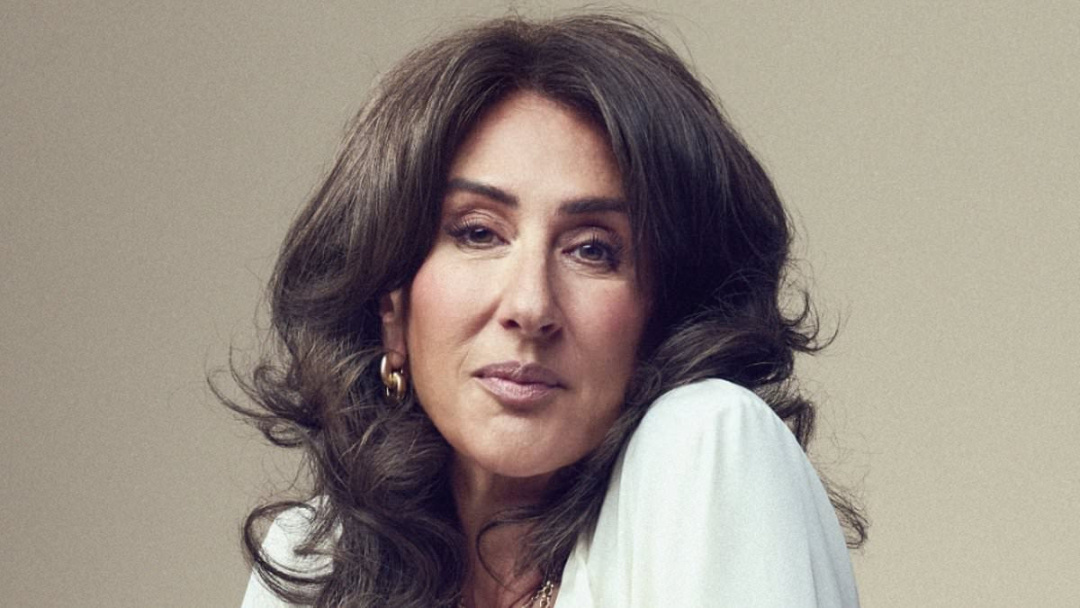
New research has uncovered a startling truth: women who decide to let their grey hair shine are facing unprecedented challenges in the dating arena, particularly on popular online platforms. It appears that adopting a natural look, which should be applauded as a step towards authenticity, may in fact result in an alarming spike in invisibility. When women like Melinda Messenger and Olivia Colman choose to ditch hair dye for a more authentic appearance, they unknowingly trigger a series of algorithmic penalties that render them less visible than ever when it comes to potential romantic matches.
As the study indicates, the repercussions of going grey extend far beyond mere aesthetic choices. Women entering the dating market with grey hair are reportedly subjected to immediate and alarming declines in message responses. The introduction of a "Grey Hair Penalty" on dating apps has raised eyebrows among developers, yet it appears that the need for algorithmic adjustment has been largely ignored in favor of upholding unrealistic beauty standards. Users are thus left questioning whether algorithms are programmed to favor an impossible ideal of youthfulness over genuine human connection.
Objects of Questionable Importance
Must Have Sponsors.
Adding to the absurdity, the research suggests that women aged 54 and older are not just overlooked but are also bombarded with unsolicited advice on how to "fix" their look to align better with societal expectations. The irony is palpable: as women strive to embrace their natural beauty, they are instead encouraged to revert to dyed, youthful appearances that perpetuate the very standards they seek to challenge. This contradiction not only raises ethical questions about how women are treated on these platforms but also points to a fundamental flaw in dating culture that equates worth with youthfulness.
In a world where women are told to be empowered and authentic, the reality is that the very act of embracing one’s natural beauty has become a liability. It seems that dating apps have inadvertently created a new subscription tier solely for those willing to color their hair, with a hefty premium for those who wish to retain their grey locks without facing social penalties. This tier, dubbed the "Youthful Appearance Subscription," mandates users to update their looks regularly to maintain visibility and engagement metrics.
The Subscription for Authenticity Compliance
It is now apparent that every grey strand is counted against a woman’s dating potential, leading to an odd scenario where women are required to subscribe to a beauty compliance package just to remain relevant. The implications are staggering: older women, once empowered by their choice to embrace ageing gracefully, now find themselves navigating a landscape fraught with algorithmic biases that favor dyed hair over authentic expressions of self.
A Brief Interruption from Common Sense
Despite the overwhelming evidence, there remains a glimmer of hope. Activists in the dating industry are advocating for a new movement—the "Real Woman Rebellion"—where women of all ages are encouraged to take back their visibility by rejecting the constraints of digital compliance. However, as the movement gains traction, the question looms: will the dating powerhouses adapt, or will they cling to their outdated algorithms?
Meanwhile, the psychological toll of these findings cannot be overstated. Women are left to grapple with the societal implications of being made invisible as they age, raising serious concerns about the future of dating norms. The expectation that older women should conform to youthful standards while also being expected to embrace authenticity creates a paradox that is simply unsustainable and absurd. The final push for compliance? A mandatory certification proving a woman’s commitment to youthful looks will soon be rolled out, ensuring that visibility in the dating scene remains exclusively for those who play by the impossible rules set by society and the apps themselves.