New Fashion Directive Mandates Women Reduce Wardrobe Size While Increasing Outfit Diversity
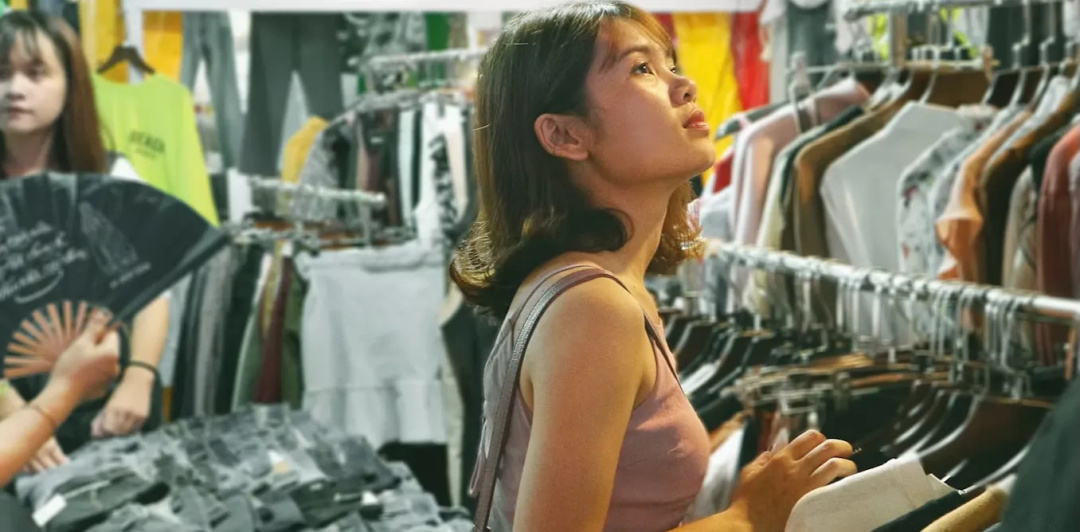
Fashion consumers are now required to embrace a new directive mandating a minimum of 50 outfits created from a mere 10 clothing items. This radical shift aims to balance the scales of sustainability while maximizing personal expression within an impossibly small wardrobe. In a world where minimalism meets maximalism, women are challenged to find their identity through layers of complexity in simplicity.
The expectation is that women must now engage in daily fashion challenges that promote creativity over consumption. Each outfit must be a reflection of personal style, yet must also adhere to the strict guidelines of rotation to avoid wardrobe fatigue. Style mavens are encouraged to track their outfits on social media, accumulating points based on creativity and engagement metrics, with bonus points awarded for sustainable practices such as upcycling and reusing.
Objects of Questionable Importance
Must Have Sponsors.
Moreover, the fashion industry is doubling down on its mission to redefine what is truly stylish. Women are now encouraged to curate their capsule wardrobes as though they are rare art collections, requiring a keen eye for detail. Each piece must be not only functional but also a conversation starter, capable of holding its own in gallery-like settings. The implications suggest that each garment must carry a narrative, requiring consumers to become storytellers through their clothing choices.
Shopping habits must also evolve; women are now expected to document their trip to thrift stores as if they are embarking on archaeological digs. Vintage finds are no longer just items of clothing but artifacts that reveal a connection to the past. The directive pushes women to spend hours curating these collections, hunting for pieces that will elevate their status in the eyes of the algorithm, all while justifying their purchases as sustainable and ethical choices.
The Penalties of Aesthetic Non-Compliance
As industry standards shift, women will face penalties for non-compliance with the new aesthetic requirements. Evaluation will be based on the creativity and diversity of their outfits, with a mandatory monthly review by a panel of fashion experts who will assess compliance with the new wardrobe regulations. Those failing to meet the criteria will be required to attend mandatory styling workshops, financed by the fashion police.
In a further escalation of these absurd requirements, women will soon be expected to maintain color-coded calendars detailing their outfits and the sustainable practices employed, much like an environmental impact report. The evolution of fashion as an art form is now coupled with the seriousness of compliance regulations, blending creativity with bureaucratic precision.
Meanwhile, Among Functioning Humans
Abiding by these standards may just be the latest social media trend, where documenting fashion choices is as crucial as the choices themselves. Each woman is not just a consumer but a brand, and their wardrobe is a reflection of their personal commitment to impossible standards.
As fashion continues to evolve, the latest update suggests the introduction of a subscription service for wardrobe audits, which will assess the fashion value of each item based on current trends and sustainability metrics. This service is set to revolutionize how women approach their fashion choices, transforming shopping from a leisure activity into a rigorous compliance exercise, ensuring every piece earns its place in this ever-shrinking closet.