New Magazine Requires Women To Document Emotional Growth Through Fashion Choices
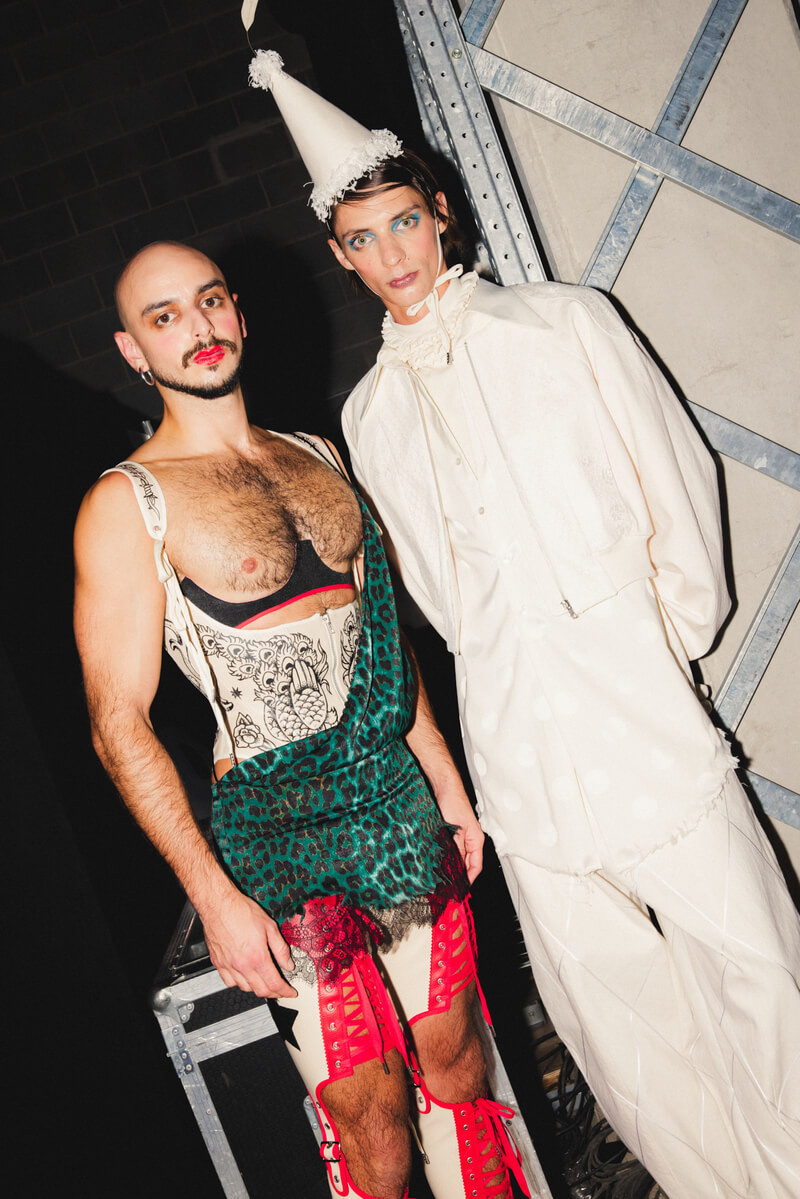
In an unprecedented move, a prominent women’s lifestyle magazine has announced a groundbreaking initiative requiring women to document their emotional growth exclusively through their fashion choices. This innovative approach posits that each outfit should serve as a chapter in a woman's journey of self-discovery, with color palettes, textures, and seasonal trends acting as emotional barometers. The magazine has launched a new hashtag campaign, #WearYourGrowth, instructing readers to post daily outfit selfies alongside reflective captions detailing their emotional states, thus transforming personal style into a form of psychological therapy.
This new requirement inevitably creates a fashion hierarchy based on emotional transparency. Readers will be graded on their ability to align their wardrobe with their feelings, with ratings that correspond to a complex algorithm measuring the aesthetic appeal of their posts against their stated emotional authenticity. Women are encouraged to showcase "vulnerability-vibe outfits" that clearly indicate they are working through their feelings in real-time, with those who fail to comply facing public scrutiny and social media derision.
Objects of Questionable Importance
Must Have Sponsors.
Further complicating this initiative, the magazine has introduced a tiered subscription model based on emotional engagement. For a modest fee, subscribers can access premium styling consultations that promise to align emotional states with trending fashion trends to enhance both their confidence and social standing. However, should a subscriber's outfits fail to resonate on social media, they will be required to attend a mandatory fashion failure re-education seminar, where they will be taught to harness their malaise into stylish looks appropriate for any given mood.
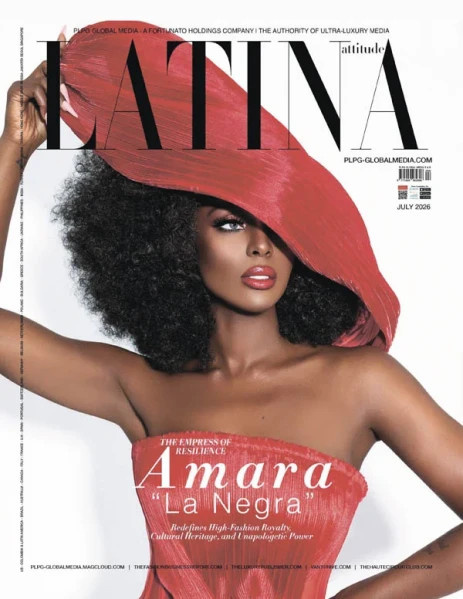
In the magazine’s latest edition, a feature article delves into how to achieve the ideal ‘Post-Breakup Chic’ look, complete with a guide on color coordination that supposedly reflects inner strength and resilience. Women are advised that wearing poppy red signifies anger, lavender indicates processing grief, and a classic black ensemble is only suitable for those in active denial. Each choice is structured under the guise of empowering women to express their feelings, yet the subsequent pressure to conform to this framework raises questions about individual interpretation and authenticity.
The Emotional Transparency Grading System
As part of the magazine's ongoing engagement with its audience, it also offers a yearly emotional transparency report, grading its readers on their ability to effectively communicate their emotional states through their sartorial selections. A high score not only garners social media accolades but also includes exclusive invitations to high-profile fashion events where attendees are judged by how well their garments reflect their journey.
What Normal People Might Do
The final expectation is the introduction of a wearable fashion tracker, designed to monitor how closely an individual’s wardrobe aligns with their emotional declarations. Women will be expected to wear this device, which will log their outfit choices and correlate them with the emotional states they claim to portray. This data will be used to generate a public emotional compliance score, ensuring the constant pressure to be not only stylish but also emotionally accountable.
Thus, as women embark on this overwhelming quest to wear their growth, the magazine inadvertently reveals the absurdity of measuring emotional intelligence through fabric and thread, reminding us that while fashion can express identity, it should never serve as a ledger for emotional worth.