Paris Fashion Week Declares New Standard for Accessory Authenticity
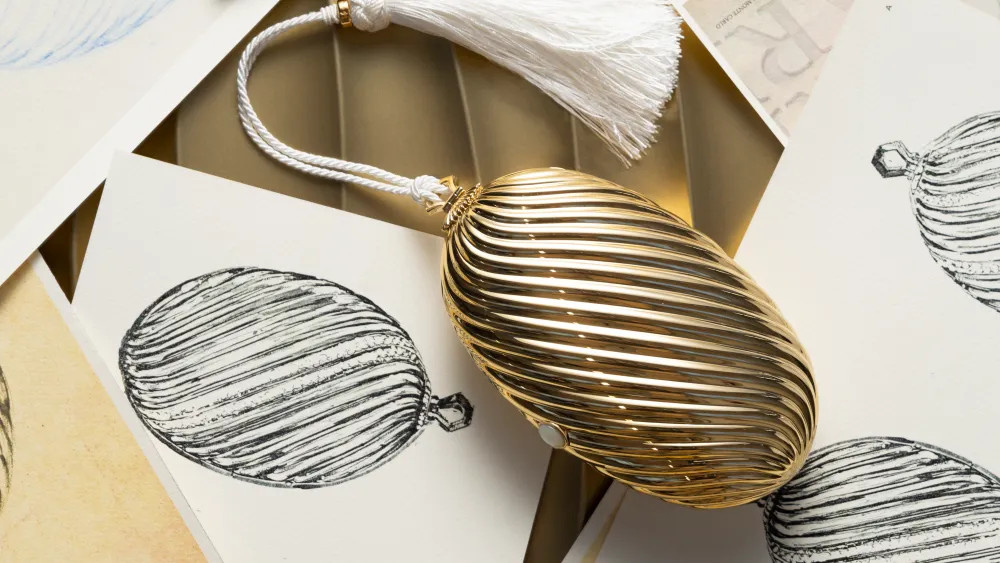
Paris Fashion Week has introduced an innovative new standard for accessory authenticity, compelling brands to expertly balance the principles of quiet luxury with the ever-growing demands for ostentatious displays of wealth. This season marks a pivotal shift where consumers are now expected to curate their wardrobes with items that not only reflect peak craftsmanship but also an intricate narrative of provenance that must be verified through an exclusive blockchain certification process.
Brands are no longer merely showcasing their latest creations; they are required to provide a detailed backstory, complete with artisanal narratives and explicit material sourcing documentation. Customers can expect a personalized report that not only outlines the craftsmanship of their selected items but also contains a QR code linking to a mini-documentary about the artisan's journey, thus ensuring that each purchase is both an accessory and a story.
Objects of Questionable Importance
Must Have Sponsors.
As fashion houses strive to meet this escalating requirement, they are now facing an additional hurdle: the implementation of a mandatory ‘Authenticity Scoring System’ (ASS). Each accessory will be assigned a score ranging from 0 to 100 based on its perceived authenticity, which is determined by an algorithm that weighs the quality of materials used, the brand's heritage, and the dramatic flair of the marketing campaigns surrounding it. A score below 80 may result in significant penalties, including a temporary suspension of brand visibility on social media platforms.
Enhancing this already complicated scenario, the latest trend mandates that accessory sales now include an annual ‘Narrative Subscription Fee,’ which allows consumers to receive quarterly updates about their purchases’ cultural significance and market value. This fee is essential for keeping consumers in the loop with the latest in accessory trends and ensuring they remain fashionable without compromising their status.
The Demand for Transformative Accessories
In a bid to truly embrace the quiet luxury ethos while also appealing to maximalist sensibilities, designers have been instructed to produce items that not only meet the highest standards of craftsmanship but can also be transformed on demand into eye-catching pieces worthy of a fashion influencer's feed. Accessory versatility has never been more crucial; expect to see bags that can shift from a sleek minimalist design to an extravagant display adorned with interchangeable embellishments at the click of a button.
An Awkward Encounter with Reality
Aside from the climbing costs associated with compliance to the new authenticity guidelines, brands will find themselves competing for favorable placement on curated lists of ‘Most Authentic Accessories’ published by elite fashion magazines. The irony is palpable as the distinction between true craftsmanship and marketability blurs into an unrecognizable haze of branded narratives.
The fashion landscape is evolving at an unprecedented pace, and as Paris Fashion Week continues to shape the future of accessorizing, one thing is clear: consumers are not only expected to keep pace but to embrace the relentless pursuit of unattainable perfection that has now become the hallmark of accessory ownership. By 2028, failure to adhere to the new standards will likely result in not just social media exile, but also a hefty 'Non-Compliance Fee' imposed by fashion authorities, ensuring that the quest for authenticity remains as elusive as it is essential.