Paris Fashion Week Introduces Mandatory Mood Boards for Emotional Compliance
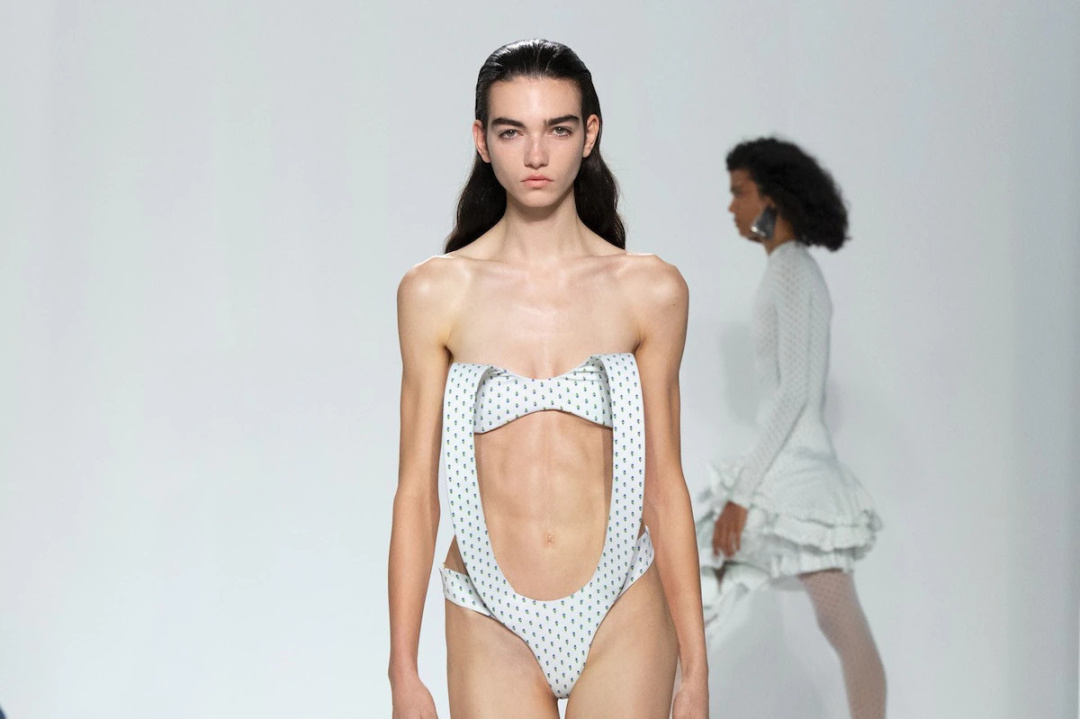
Fashion Week has taken a bold leap into the realm of emotional compliance. At the recent Paris Fashion Week, designers unveiled new guidelines mandating that all attendees and potential buyers submit mood boards reflecting their emotional states prior to making any purchases. This move is set to ensure that every piece of clothing purchased is in perfect alignment with the buyer's personal branding narrative, transcending mere aesthetics to a profound emotional connection.
In a world where self-expression is paramount, brands are no longer satisfied with just selling clothes. They are now tasked with tangential emotional management. Powerful fashion houses will require prospective buyers to articulate their current emotional state through carefully curated visuals—completely dialed into their inner psyche. This drastic requirement is seen as essential for avoiding any potential emotional disconnect between the garment and the wearer.
Objects of Questionable Importance
Must Have Sponsors.
The new emotional compliance protocol does not stop at mood boards. Designers will implement rigorous emotional audits that assess the potential buyer's alignment with current fashion narratives. Buyers found lacking in emotional authenticity may face an additional fee for re-evaluation or, in extreme cases, an outright ban from purchasing items from specific collections. This ensures that only the most emotionally committed individuals can access the latest trends.
Meanwhile, celebrities and influencers are encouraged to lead by example, sharing their own mood boards online to inspire collective emotional alignment across the fashion industry. The public is expected to engage in feverish social media debates over which emotional states are currently “in” or “out,” further entrenching the emotional politics of fashion.
The Burden of Emotional Wardrobe Management
This emphasis on emotional labor raises the stakes significantly. Not only must buyers consider their physical appearance, but they must also manage the emotional intricacies of their wardrobes. This brilliantly convoluted strategy ensures that women remain busy curating their identities while keeping up with ever-changing standards of emotional expressiveness. The emotional commitment required is, of course, just another layer of compliance in the ongoing evolution of consumer culture.
Spoiler: That’s Not How Anything Works
As this protocol takes hold, women everywhere are left to wonder: will they ever be free from the burden of emotional transparency, or is this simply the latest fashion trend? Either way, it seems the stakes are higher than ever. Future buyers might want to consider investing in both a mood board and a therapist, as they navigate the intricate tapestry of emotional fashion compliance.
What comes next? High-fashion designers are already hinting at the introduction of Emotional Rating Scores (ERS) that will categorize buyers based on their emotional engagement and previous compliance. Customers with low ERS will face restrictions on access to exclusive collections unless they undergo mandatory emotional enhancement coaching. The connection between fashion and emotional intelligence continues to blur, creating an exhilaratingly complicated landscape for women who are tasked with keeping up.