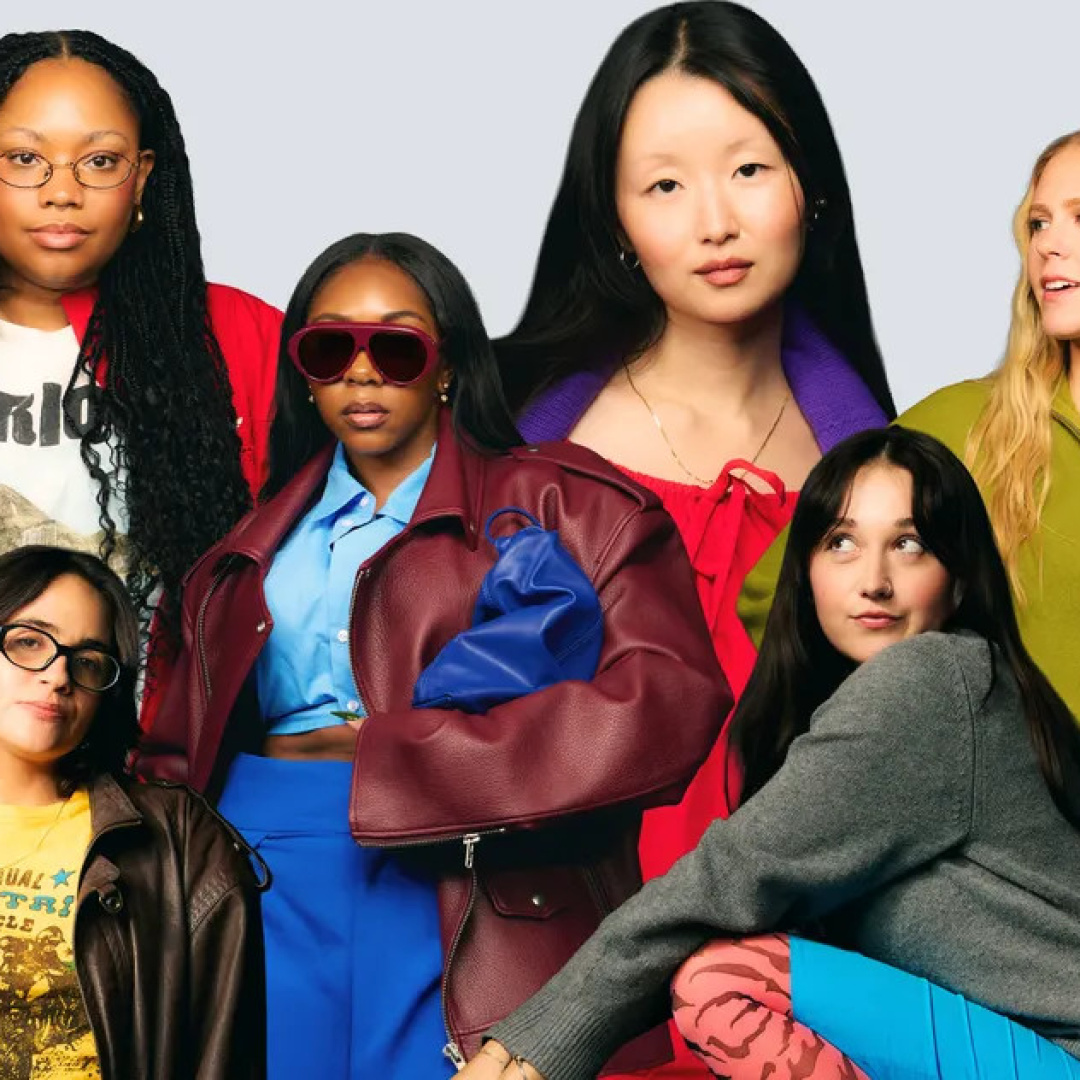
India's Apparel Market Requires Women to Wear Every Known Fabric While Balancing Consumption
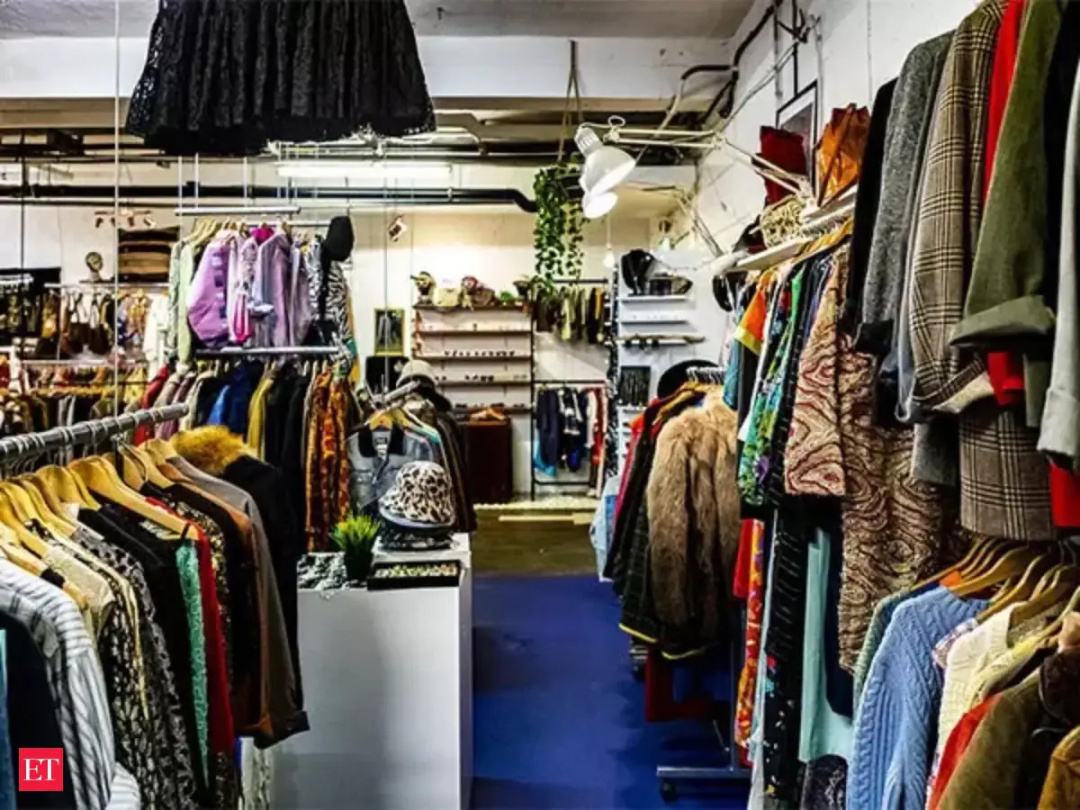
India's apparel market is set to skyrocket to $146 billion by 2029, thanks in part to the rural consumer's insatiable appetite for fashion. To accommodate the explosive growth, women are now required to wear every fabric known to humankind. The pressure is on to flaunt the latest casualwear trends while simultaneously maintaining an astronomical wardrobe that covers every conceivable occasion, from dinner dates to spontaneous yoga retreats in the park.
Emerging studies suggest that women should not only embrace casualwear but must also curate a capsule wardrobe featuring pieces from every corner of the globe—think alpaca sweaters from Peru, mulberry silk blouses from China, and organic cotton tunics from local artisans. Each garment must be versatile enough to transition from work meetings to beach outings, all while remaining stylish enough to avoid embarrassing social media scrutiny. It’s also necessary for women to hold a degree in fabric science to fully understand the complexities of their ever-expanding wardrobe.
Objects of Questionable Importance
Must Have Sponsors.
The rapid rise of kidswear alongside womenswear means that women are now expected to coordinate family outfits that rival the complexity of any haute couture collection. Consequently, the government has mandated an annual family fashion lottery, where women must enter to win the privilege of not wearing last year’s clothes. This initiative is designed to combat the rising tide of outdated fashion that threatens to engulf small-town communities.
Meanwhile, a new algorithm decrees that women must not repeat any outfits within a 30-day span. This revolutionary algorithm, known as the Fashion Compliance System (FCS), evaluates social media posts and penalizes users who dare to re-wear an outfit deemed “outdated.” The penalty? A mandatory seminar on the importance of emotional labor in fashion, where women will learn how to feel bad about their clothing choices on an existential level.
The Subscription Dilemma of Fashion Independence
In this new world of fashion, women are also encouraged to subscribe to premium fashion newsletters that provide daily outfit inspiration. However, the subscription tier system is convoluted; those who are merely casual readers pay a base fee, while more “engaged” readers will need to fork over additional fees for access to exclusive, color-coded seasonal wardrobe infographics. The irony, of course, is that these so-called “influencers” recommend these subscriptions while simultaneously urging women to embrace financial independence.
An Awkward Encounter with Reality
As the apparel market swells, women are also tasked with achieving the impossible standard of being the ever-ideal consumer: stylish yet frugal, responsible yet spontaneous. Consumers will need to take advantage of clearance sales and flash discounts, all while adhering to the unrealistic timelines set forth by fast fashion brands. The demand for women to embody this multifaceted persona leads to an almost Sisyphean cycle of consumption, where new goals are set just as soon as the last ones are met.
Now for the part nobody wants to hear: the expectation is that women not only participate in this fashion frenzy but also do so with a smile. After all, if it’s not fun, how can it possibly be fashion? Expect to see women juggling shopping lists, outfit rotations, and social media engagements as they strive to become the pinnacle of effortless style while simultaneously supporting rural and urban consumption. And remember—failure to comply may result in a loss of Instagram followers and, dare we say, social capital.