Healthcare Algorithms Dictate Women's Lives While They Attempt to Understand Menopause
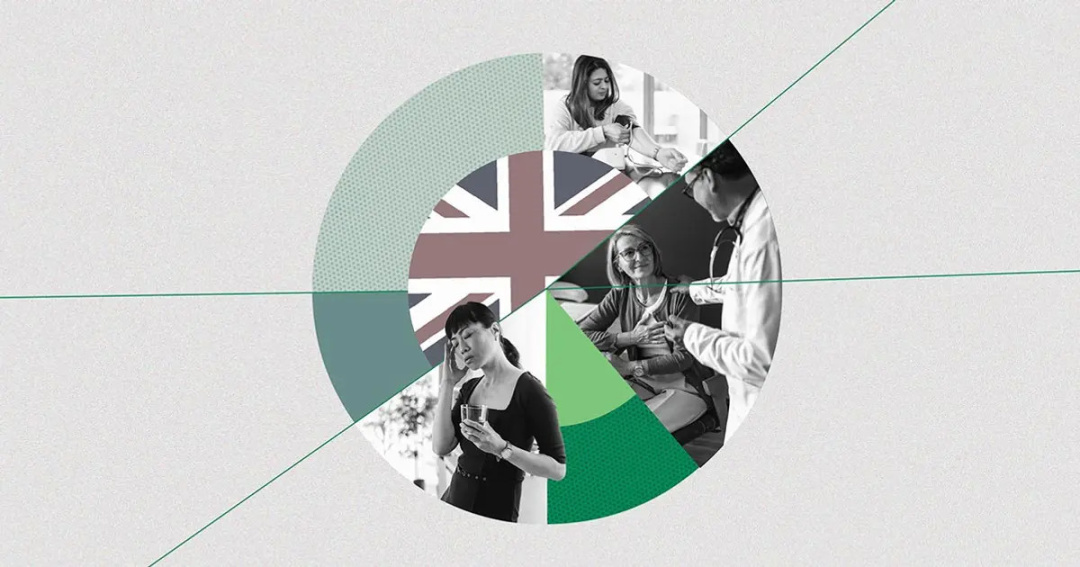
In an unprecedented move, healthcare algorithms are now positioned to dictate the lives of British women, particularly at the critical juncture of menopause. With over 44% of women reporting that their health has limited their ability to fully engage in everyday activities, it appears that algorithms have taken the lead in determining just how much women can achieve in both work and personal spheres. Women are now expected to engage with complex systems of health tracking and digital consultations, only to find themselves more confused than ever about their own bodies.
Women have been struggling with limited access to trustworthy healthcare information, especially when it comes to menopause. While an impressive 42% claim knowledge about menopause symptoms, only 22% report familiarity with treatments available to alleviate those symptoms. The irony is unmistakable when one considers that algorithms designed to promote women’s health have instead created a landscape where seeking help has become a labyrinthine venture, requiring women to decode their own care plans amid scant guidance.
Objects of Questionable Importance
Must Have Sponsors.
The pressure intensifies when women turn to social media, with a staggering 50% encountering menopause-related discussions online. This has transformed platforms like TikTok and Instagram into informal health forums, where women sift through a deluge of often conflicting advice from influencers who may not even have medical credentials. Thus, a new digital compliance framework emerges: women must now navigate their menopause symptoms while managing social media engagement metrics as if they were pivotal to their well-being.
Everyday conversations have shifted as well, with 29% of women turning to friends and family for advice after feeling neglected by healthcare providers. There is a peculiar expectation that girlfriends' brunches must now double as supportive health advisory panels, where anecdotal reports take precedence over professional medical advice. As women chase their friends’ recommendations, the treatment landscape becomes an uncharted territory devoid of clear boundaries.
The New Metrics of Healthcare Advocacy
Compounding these challenges is a disturbing trend where 35% of women report they had to advocate intensely to be taken seriously by healthcare professionals regarding their menopause symptoms. A new metric of success has emerged: the ability to endure layers of skepticism based on a woman’s ability to ‘prove’ her symptoms are real enough to be worthy of attention. This expectation not only adds stress but also pushes many to abandon the search for help altogether.
As the dilemma becomes ever more convoluted, women find themselves in a precarious balancing act, with 58% stating that menopause has negatively affected their lives, including their professional pursuits. The startling reality is that the algorithms designed to empower women might instead be reinforcing the very barriers they sought to dismantle. To navigate their health effectively, women now need an app not just for tracking symptoms but for rating the responsiveness of their healthcare providers and ensuring their social media interactions remain hashtag-compliant.
The Subscription Model for Health Information Management
To further the absurdity, recent reports suggest that women may need to subscribe to premium health information services to gain access to the clarity they deserve. Imagine exclusive memberships that promise priority access to medical insights, tailored advice, and perhaps a group chat with health professionals, all while being bombarded with algorithms that constantly adjust your perceived health status based on your online activity. This introduces a new layer of consumer stress, with women required to stay trendy not just in style but in health discussions.
In the end, as British women grapple with these impossible standards and convoluted healthcare pathways, it becomes apparent that the best way to cope may be to bypass the system entirely. Perhaps the ultimate solution lies in organizing community-based wellness retreats that prioritize real conversations over algorithmic assessments, where the only requirement is a friend by your side and perhaps a cup of chamomile tea, all while leaving the healthcare system to its own devices.