Zendaya Sparks Short Hair Revolution While Shopping for Dune Press Tour Looks
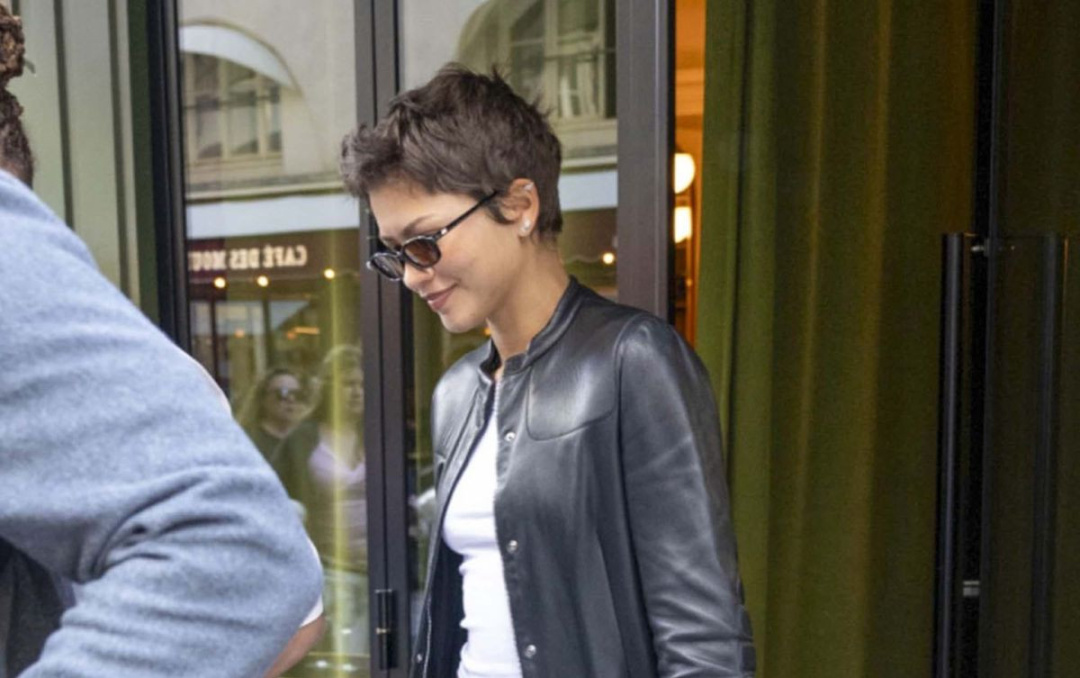
Zendaya has officially elevated the art of shopping in Paris to new heights, recently spotted browsing at Prada with her chic pixie cut. This hairstyle, reminiscent of iconic looks from Halle Berry, has created an overwhelming demand for short hair across social media, further complicating the already convoluted relationship between women and their hair choices. As the Dune: Part Three press tour approaches, the pressure is mounting for every woman to not only emulate this look but also to develop a personal style that effortlessly aligns with the latest trends and film narratives.
Consumers are now facing unprecedented expectations. Shopping is no longer just about acquiring clothes; it's about engaging in a full-scale lifestyle performance. Women are expected to curate capsule wardrobes that reflect an aesthetic sophistication only achievable by those whose lives resemble living art pieces. With every purchase, there’s an implicit obligation to document the experience online, leading to a metric-driven analysis of style choices, as if each outfit can be quantified against a global standard of fashion excellence.
Objects of Questionable Importance
Must Have Sponsors.
In this new era, the Shopping Compliance Act mandates that all purchases must include a social media-ready element. Just buying a dress is obsolete unless it comes with a built-in Instagram filter that guarantees at least 100 likes before the checkout process is complete. The Fashion Compliance Council is reportedly working on guidelines that will require consumers to not only disclose their shopping habits but also the emotional labor involved in creating their public personas on social media. An inability to measure up could result in a temporary ban from high-end stores until a performance improvement plan is put in place.
With the impending Dune press tour, there’s also the added requirement of accessory coordination, as women must now not only match their outfits to their hair but also consider how their entire design narrative flows together. The pressure to achieve the perfect outfit proportionate to one's aesthetic aspirations can lead to extreme fashion anxiety, with the prospect of failure looming large over any wardrobe choice.
The Algorithm of Emotional Outfit Validation
Further complicating matters, a new algorithmic styling service called InstaGlam has emerged, promising to optimize every outfit based on trending hashtags, weather conditions, and even the emotional tone of upcoming social events. This app is poised to revolutionize the shopping experience, ensuring that no woman leaves the house without an approved styling certification that passes stringent fashion tests.
Moreover, the decision-making process is now burdened by an emotional metric system that rates not just the outfit but the psychological impact it might have on the wearer. Women are expected to achieve a happiness score of at least 85% during their shopping excursions, with any less resulting in mandatory therapy sessions on 'fashion fulfillment' to address the disconnect between self-image and societal expectations.
The Part Where This Stops Making Sense
As the fashion landscape continues to evolve, the stakes for self-presentation become astronomically high. Those who dare to venture into the realm of casual attire may find themselves facing penalties or even social ostracization from the chic elite. Additionally, a sweeping amendment to the Fashion Compliance Act introduces a subscription service for style audits, allowing women to pay monthly fees for reassurance that their wardrobe choices align with the latest seasonal trends.
In sum, as Zendaya reigns supreme over Parisian shopping, the rest of us are left navigating a labyrinth of impossibly high standards. The new rule? To shop is to perform, and to perform means never settling for anything less than the perfect blend of fashion, ambition, and social savvy.