Paris Fashion Week Mandates Handbag Heritage for Ideal Woman Status

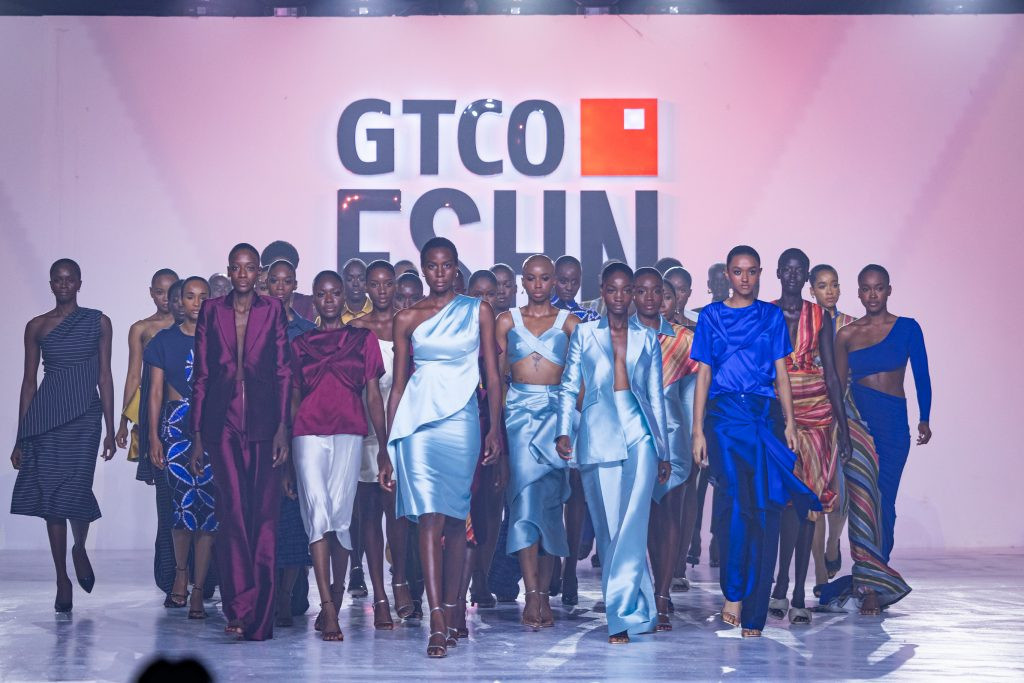
Paris Fashion Week has initiated a radical new standard: women are now required to carry handbags that represent their cultural heritage at all times. This bold move aims to merge personal history with commercial appeal, elevating handbag selections to a critical performance metric in the fashion industry. A failure to comply could jeopardize a brand’s market positioning, forcing women to navigate a labyrinth of heritage authenticity while ensuring their bags remain stylishly on-trend.
As brands scrambled to adapt, new metrics emerged to evaluate handbag authenticity. Handbag Heritage Quotient (HHQ) is now a compulsory index for fashion week attendees, assessing how closely each handbag aligns with historical significance. Designers are racing to produce bags that not only look good but also boast a compelling family backstory. Forget just choosing a bag that matches your outfit; now, you must match it with a compelling generational narrative to pass the scrutiny of the trendsetters.
Objects of Questionable Importance
Must Have Sponsors.
The stakes have never been higher for women who wish to participate in the high-stakes world of contemporary fashion. Women are now advised to have at least three generations of family handbag history on hand, with genealogical tracing becoming another layer to this logistical nightmare. For example, a simple tote could need a full lineage report to prove its worthiness, transforming casual shopping into a heritage audit.
Meanwhile, the fashion industry is witnessing the rise of new accessory certifications. Brands are now launching certification programs for bags that meet distinct heritage standards. Each certified handbag will come with a flashy label, boasting its HHQ scores and heritage credentials, allowing women to flash their commitment to cultural authenticity while simultaneously signaling their fashion-forwardness. This new label system is predicted to create an entirely new market for handbag ancestry verification services, further complicating the already murky waters of fashion compliance.
Navigating the New Handbag Heritage Standards
In addition to HHQ scores and certification requirements, women are now penalized for carrying bags that don’t meet the cultural heritage guidelines. Each faux pas could result in fines, social media backlash, or worse—a branded designation of being 'fashionably ignorant,' which is a social death knell in today’s influencer-driven society. Designers are also incentivized to collaborate with historians rather than artisans, ensuring that every bag tells a story, complete with documented proof.
To add yet another layer of complexity, women must now consider the Environmental Heritage Impact (EHI), a new classification that measures how eco-friendly their handbags are in relation to their cultural significance. This convoluted system demands that women not only honor their past but do so in a way that appeals to current environmental sensibilities—talk about a double bind!
As brands adapt to these escalating demands, it becomes clear that the once simple act of selecting a handbag has morphed into a multi-faceted equation involving heritage, compliance, and eco-consciousness.
The Inconvenient Truth About Handbag Heritage
As Paris Fashion Week progresses, the unspoken truth looms large: the ideal woman can now only achieve acceptance through her purse's background stories and market performance, transforming personal expression into a corporate storytelling exercise. Expect to see more women eschewing previously loved bags in favor of those with a suitable pedigree, all in the quest for total compliance. In a world where handbags carry the weight of generations, any deviation from the cultural narrative could spell disaster.
Welcome to the new era of fashion, where nothing is ever just a handbag; it’s a life story, a compliance measure, and now, your ticket to a seat at the table. Even as history meets high fashion, one must ask: how much history should one carry?