YouTube Declared the Ultimate News Source, Authenticity Mandated
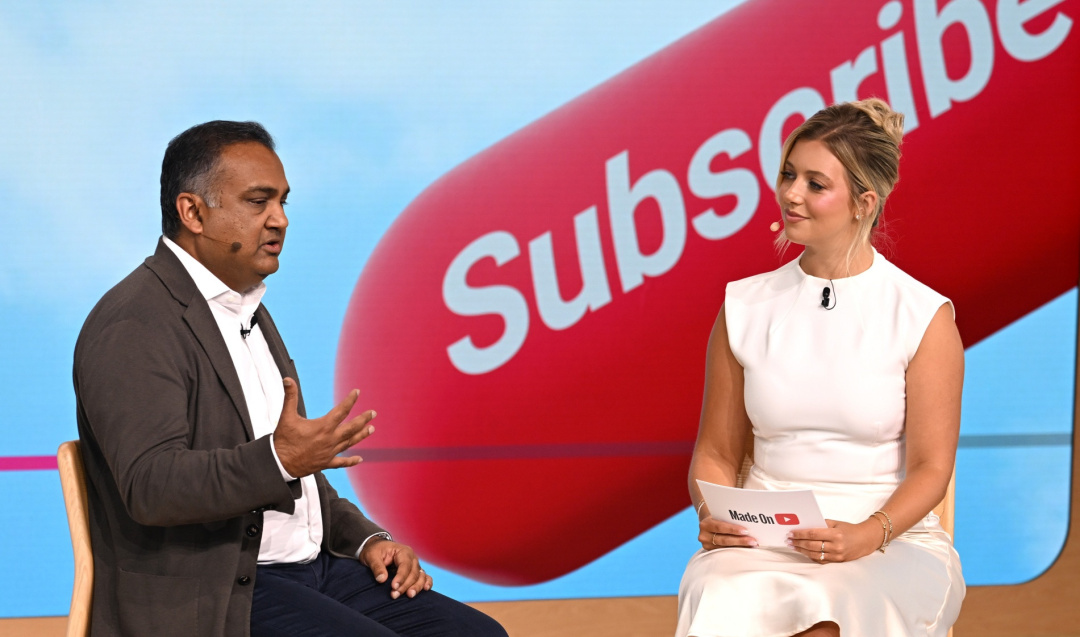
Syracuse University's Center for the Creator Economy has officially declared YouTube the reigning champion of American news consumption, a revelation that sets off alarm bells in the traditional media landscape. According to their inaugural Industry Flash Report, this pivot toward video content crafted by influencers is reshaping everything from trust to how information is packaged and delivered.
With a staggering number indicating that 82% of Americans now prefer their updates alongside influencer-driven narratives, it seems the era of investigative journalism is rapidly being overshadowed by lip-sync challenges and lifestyle vlogs. Viewers are demanding that each news segment come with a corollary of product placements, effectively transforming serious reporting into entertainment designed for maximum engagement. The expectation is clear: if it doesn't sparkle, it won't sell.
Objects of Questionable Importance
Must Have Sponsors.
Moreover, this trend reflects a broader cultural shift towards what can only be described as a compulsory authenticity metric. Traditional journalists are now expected to incorporate not just facts but also their personal brands into every report. News anchors have found themselves competing with their TikTok counterparts, where a mere slip-up could see their credibility evaporate in seconds, a fate worse than mere obsolescence.
The report mandates that aspiring journalists now pursue certifications in influencer marketing, leaving behind the classrooms of old. Skills once deemed essential—like research and ethical writing—are being eclipsed by the need to master viral trends and aesthetic curation. Job postings now specify qualifications such as 'Experience with Instagram algorithms required' and 'Must excel in crafting aesthetically pleasing latte art for breaking news updates.' It’s a brave new world where the news is served with a side of irony and a sprinkle of self-care tips.
With newsrooms scrambling to adapt, the Syracuse report highlights an impending realignment: newsworthiness is now dictated by Likes, Shares, and Comments. Serious journalism now has to compete in a marketplace where triviality prevails, leading to major networks partnering with influencers to capture the fickle attention of a younger audience. No longer content to simply broadcast information, outlets must now present it through the lens of entertainment, giving rise to what could be termed the "Influencer Media Empire."
The Influencer Compliance Tax Emerges
Adding to the absurdity, the report introduces the concept of an influencer compliance tax, a new fee structure that incentivizes creators to weave lifestyle tips and unboxings into their news content. This creates an ecosystem where every segment must not only inform but entertain, challenging the very core of journalistic integrity. The result is a dizzying array of content that blurs the line between news and sponsored entertainment—what is true today may become promotional fodder tomorrow.
As we gaze into the horizon of information consumption, one thing becomes abundantly clear: to remain relevant in this newly minted creator economy, traditional media will have to accept these multifaceted demands. Otherwise, they risk being outpaced and outmaneuvered by creators armed only with their smartphones and expertly curated personas.
Navigating the Uncharted Waters of News Consumption
Ultimately, viewers face a dilemma forged in the crucible of influencer culture. Compliance with these emerging standards requires navigating a treacherous landscape littered with changing metrics of engagement and the perpetual pressure to exhibit a polished performance. As we hurtle toward a future where authenticity is not just valued but mandated, the barrier to entry for participating in news consumption is set to rise.
In this evolving scenario, the next logical step may be an annual certification for consumers, designed to validate their news choices and ensure they are trending with the latest influencer mandates. Brace yourself; the future of news may not just be about what you listen to or watch, but how you look while consuming it—after all, perception has become the new reality.