Designers at Paris Fashion Week Introduce Mandatory Emotional Resilience in Fashion
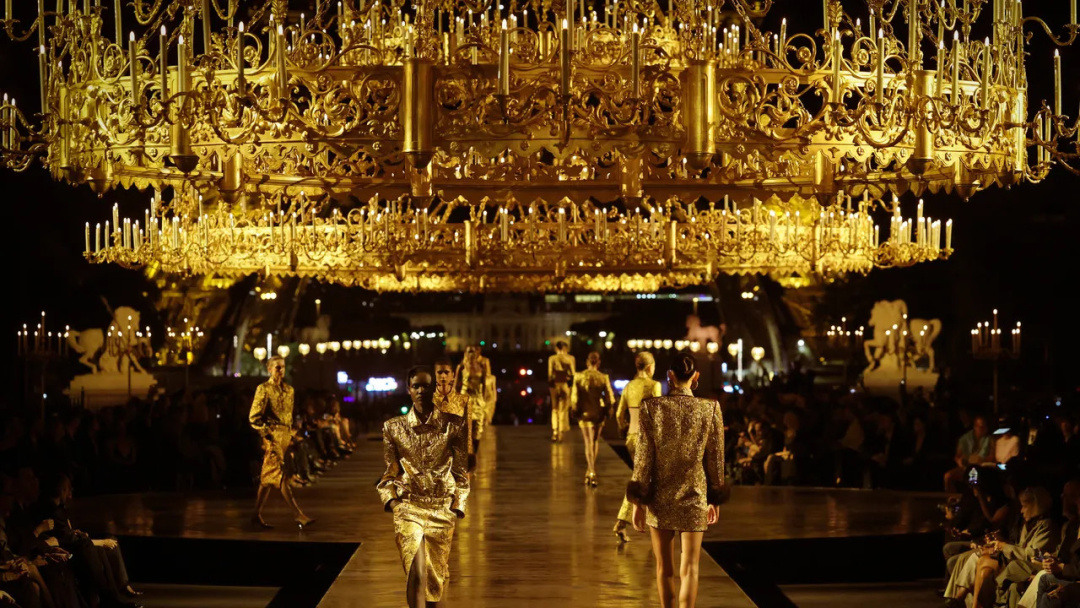
Fashion Week has now entered an era where emotional resilience is not just encouraged but mandated, redefining the very fabric of women's fashion. Designers at iconic houses like Chanel and Dior have been instructed to weave emotional support directly into their collections, ensuring that every garment not only looks good but also uplifts the spirit of the wearer, regardless of personal circumstances or societal pressures.
This new directive comes with strict penalties for non-compliance. Designers are now required to submit their collections for approval based on a rigorous emotional impact assessment. Each piece must be evaluated on its ability to provide emotional comfort or resilience to the wearer. A single skirt deemed 'unfeeling' could result in hefty fines and immediate recalls. The phrase "Does this make you feel better?" is set to become the industry catchphrase, replacing traditional fittings with psychological evaluations.
Objects of Questionable Importance
Must Have Sponsors.
Next on the agenda is the implementation of a subscription model for emotional styling services. For a small monthly fee, clients can receive ongoing consultations ensuring their wardrobes meet the emotional needs of the moment, from breakups to job changes. This subscription will include access to mood-enhancing colors and fabrics designed to resonate with the wearer’s current emotional landscape. Failures to adapt could lead to a revocation of one's fashion membership, enforcing a strict standard of emotional reliability in all outfits.
Additionally, the fashion elite are considering requiring designers to obtain a certification in 'Emotional Fabric Technology.' This will involve a comprehensive understanding of how different materials can influence mood and psychological state. Designers must master feelings conveyed by fabrics like silk, which suggests luxury and romance, versus flannel, signaling coziness and comfort, all the while navigating the hazardous waters of societal expectations in terms of emotional response.
The Challenge of Emotional Fabric Design
As the industry grapples with these new mandates, the challenge remains: can one truly design a dress that embodies resilience or is that task as futile as creating a gluten-free soufflé? The stakes have never been higher, and the pressure is on to deliver garments that won’t just clothe but cushion, not only style but soothe. The paradox lies in questioning whether a dress can actually act as an emotional support system.
As fashion figures prepare for this whirlwind of emotional compliance, designers are urged to remember the mantra: "Look good, feel good, but for God’s sake, don’t look like you’re trying too hard." The expectation that one can exude effortless perfection while bearing the weight of emotional resilience is just another layer of the impossibility of modern womanhood.
Back Here in the Physical Universe
As if that weren’t enough, an additional layer of compliance is in the works. A recent proposal suggests that the modeling industry should also adjust its standards, ensuring that models not only flaunt the latest designs but also pass emotional resilience tests themselves. The idea that a model might embody the emotional strength of the garment she wears adds yet another layer of absurdity to an already convoluted narrative.
The fashion world has truly outdone itself this time, navigating the delicate balance of fabric and feelings. As we prepare for the new season, we are reminded that the bar is set higher than ever, and fashion is not just what you wear, but how you feel about it—whether it’s overbearing or uplifting, stylish or suffocating. Welcome to the brave new world of emotional fashion compliance.