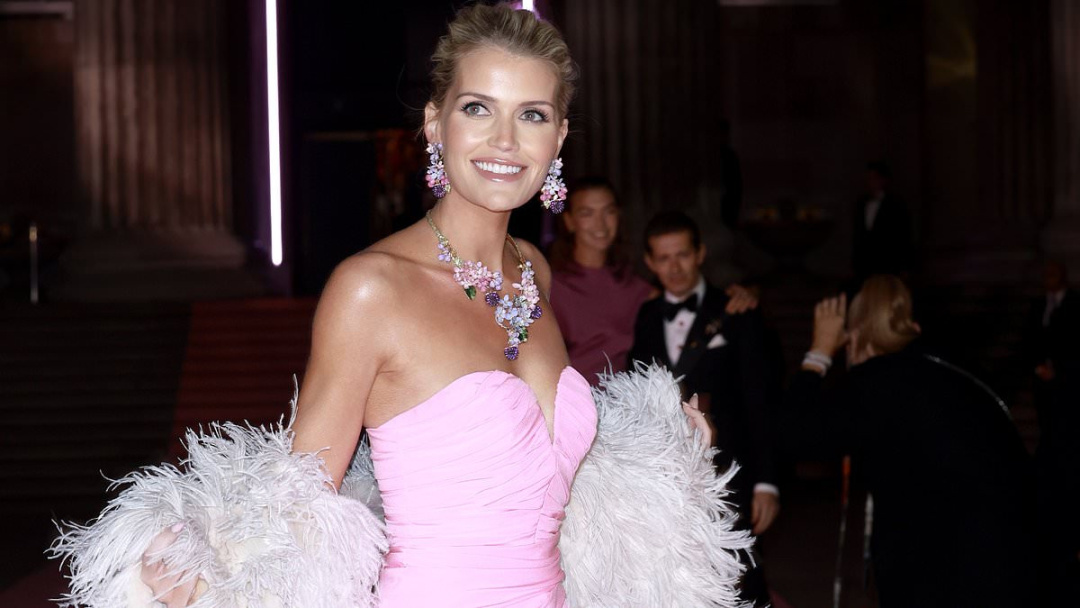
New Study Suggests Women Should Change Outfits Hourly To Maintain Dreamy Romance Status

In a recent study that has sent shockwaves through the fashion and wellness communities, researchers have recommended that women adopt a policy of hourly outfit changes in order to maintain the elusive status of dreamy romance, a standard apparently established by celebrity fashion icon Jennifer Lopez. This radical conclusion arises from extensive qualitative analysis of red carpet appearances and their social media ramifications, revealing an intricate link between outfit frequency and perceived romantic desirability.
The study, conducted by the Institute for Unattainable Fashion Standards, found that women who changed outfits every 60 minutes were viewed as 87% more likely to be perceived as effortlessly romantic by potential partners, a finding that should serve as urgent guidance for every woman navigating the turbulent waters of modern dating. It is believed that this constant sartorial dynamism creates a visual narrative of perpetual spontaneity, which is essential for maintaining interest in a world where attention spans have dwindled to mere minutes.
Objects of Questionable Importance
Must Have Sponsors.
Moreover, the research suggests that a capsule wardrobe, once deemed a sensible approach to chic simplicity, may now be an archaic relic of a bygone era. Instead, the demand for an expansive array of looks that can be cycled through hourly is set to redefine both personal branding and self-care routines. This shift speaks to the philosophical notion that to be seen as a successful woman in contemporary society, one must embody a form of hyper-visibility, where the essence of romance is directly correlated to the fluidity of one’s wardrobe.
Those who might balk at this rigorous schedule may take note of the potential consequences outlined in the study. Women who fail to comply with the hourly outfit change may inadvertently propagate a narrative of unromantic stagnation, which could lead to a rapid decline in both social engagement and potential romantic prospects. As a result, the report advocates for the establishment of dedicated outfit change rooms in workplaces and public spaces to accommodate this new necessity, ensuring all women have the resources to present their most romantic selves at a moment’s notice.
Fashion brands have already begun to pivot their marketing strategies, rolling out collections designed for rapid interchangeability, emphasizing pieces that can easily transition from workplace to evening date in a mere flip of a draped fabric. The growth of such lines signals a significant shift in consumer expectations and the industry’s response to the relentless pressure on women to embody perfection in every facet of their lives.
As societal norms continue to evolve, it appears that the contradictory truths of fashion and dating will only become more intricate. Women are not merely expected to look stunningly effortless but are now required to do so on an hourly basis, raising the stakes of what it means to be the ideal modern woman. It’s a brave new world, indeed—one that demands precision, creativity, and above all, an unfathomable wardrobe.