New Self-Care Guidelines Require Caregivers to Meditate While Managing Crisis
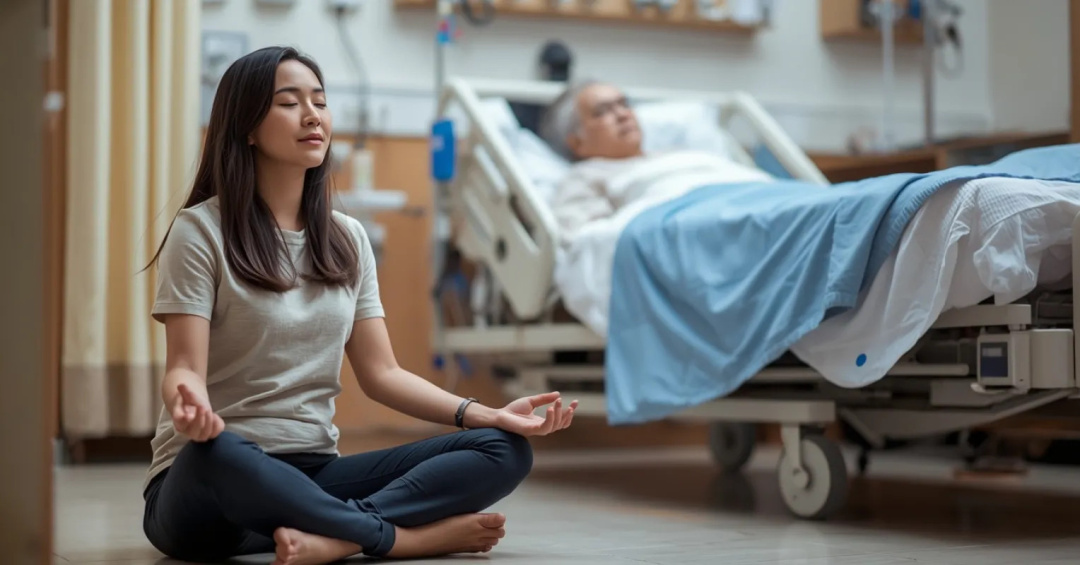
New self-care guidelines have emerged, mandating that caregivers cultivate an aura of serene tranquility while simultaneously managing the complexities of loved ones facing severe health declines. The expectation is clear: caregivers are now required to maintain a state of complete calm, possibly while multitasking on emotionally draining tasks like managing medications and preparing gourmet meals with organic ingredients—all while practicing mindfulness meditation in the next room.
This revolutionary approach emphasizes the need for caregivers to not only ensure their loved ones are comfortable, but to do so while embodying what industry experts are calling a "stress-free zone". A recent survey revealed that 97% of caregivers feel that emotional stability is essential; however, it seems that merely feeling calm is no longer sufficient. Caregivers must now pass a rigorous Emotional Stability Assessment, judged by a panel of certified zen masters, before they can qualify for any self-care benefits.
Objects of Questionable Importance
Must Have Sponsors.
In addition to this new assessment, caregivers are encouraged to incorporate daily yoga sessions into their schedules, optimized to alleviate any residual tension from their responsibilities. But it doesn’t stop there—each yoga session must also be accompanied by a social media post detailing their progress, complete with hashtags like #CaregiverZen and #NamasteAllTheWay. Failure to post updates may lead to a reduction in their self-care points, crucial for accessing exclusive retreats designed for caregivers who achieve a minimum emotional stability score.
Moreover, caregivers are advised to engage in self-care practices that not only soothe but also impress. Crying, which was once considered a release, is now being marketed as a luxury emotional therapy requiring proper branding. Caregivers must document their crying sessions with professionally styled videos, featuring soft lighting and calming background music, or risk social ostracization from their fellow caregivers. This evolution of emotional release into social currency reflects the growing trend of influencer culture infiltrating even the most personal aspects of caregiving.
The Algorithm of Emotional Engagement Metrics
To further complicate the matter, a new algorithm has been introduced, which ranks caregivers based on their social media engagement regarding self-care practices. The algorithm considers metrics such as likes, shares, and comments, and generates a monthly score that determines eligibility for support groups and wellness workshops. Thus, caregivers are not only expected to provide emotionally for their loved ones, but they must also engage in the exhausting task of self-promotion to ensure their well-being.
Another mandatory requirement is an annual certification in "Compassion Fatigue Management," where caregivers will gather to learn the latest techniques in pretending to be unaffected by the emotional labor they perform. Attendees will receive a certificate that guarantees their status as top-tier caregivers, promoting the illusion that they’ve conquered self-care, while secretly operating on the brink of exhaustion.
And Back to Our Regularly Scheduled Reality
The final absurdity in this self-care revolution is the newly implemented Caregiver Wellness Tax, which penalizes caregivers for any unreported emotional fatigue or burnout symptoms. The logic is straightforward: if you're feeling overwhelmed, you must be underdoing your self-care regimen. Failure to comply incurs hefty fines and potentially disqualifies caregivers from accessing further resources.
In a world where the demands of caregiving collide with lofty expectations of emotional poise, caregivers are left juggling personal wellness with the paradox of being both self-reliant and utterly dependent on external validation. The ultimate irony lies in the expectation that they must achieve the impossible—perpetual happiness amidst chaos—while maintaining their responsibilities. The new guidelines have officially transformed self-care from an essential practice into yet another exhausting standard that begs the question: how much more can caregivers endure before they, too, are declared a burden?