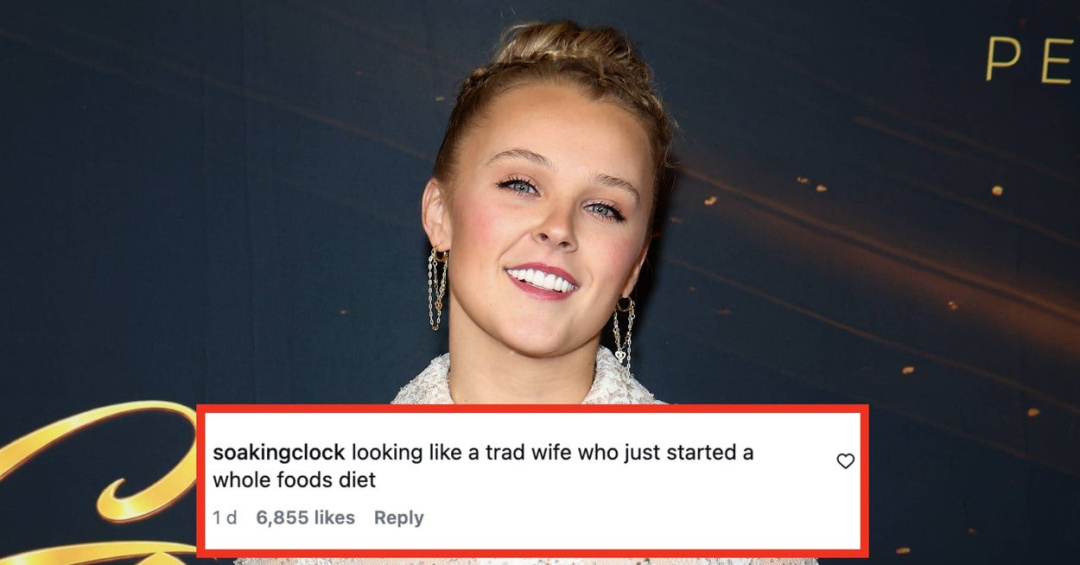
New Study Reveals Trad Wives Are Just Like Regular Wives, But With More Aprons
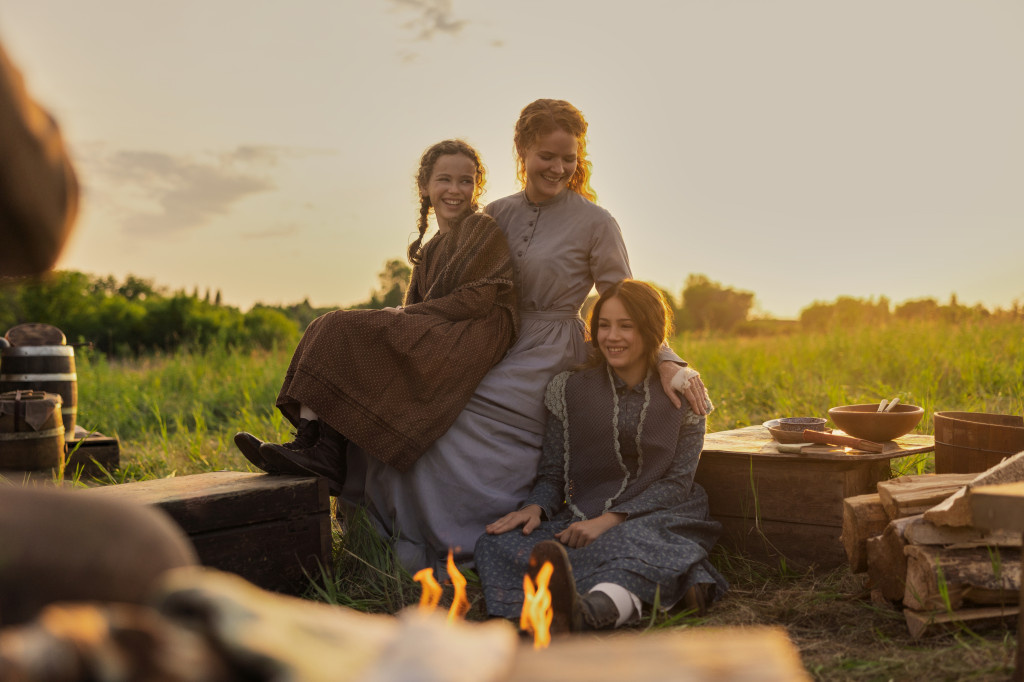
In a revolutionary study released by the Institute for the Advancement of Outdated Gender Roles, researchers have conclusively determined that the trad wife phenomenon is akin to standard marital arrangements yet garnished with an extra serving of nostalgia and a dash of historical romanticism. Participants in the study, who ranged from traditional homemakers to those who consider making sourdough bread an Olympic sport, reported a significant increase in apron-wearing and a decrease in personal ambition.
The findings indicate that while trad wives operate under the banner of individualized choice, the reality is a perplexing blend of pressured conformity dressed up as empowerment. This paradox has sparked further inquiries into how societal expectations have evolved—or devolved—over the decades. The trad wife aesthetic, frequently showcased across social media platforms, appears to be a direct response to modern feminist movements, suggesting that women today may actively choose to embrace roles that feature less autonomy but more curated Instagram layouts.
Objects of Questionable Importance
Must Have Sponsors.
Experts suggest that the recent resurgence in this trend might be the result of algorithmic manipulation, where the algorithm prioritizes content that appeals to those yearning for a simpler time—one where women were preoccupied with baking pies and perfecting their hairdos, rather than engaging with complex issues such as personal fulfillment or career advancement. A spokesperson for the Institute noted, "The data suggests that the longing for simpler times is a powerful motivator, albeit one that often overlooks the considerable sacrifices that come with such choices.
Moreover, the trad wife lifestyle appears to shine a spotlight on the contradictions of modern dating, where potential partners are increasingly seeking low-maintenance relationships yet also expect women to embody the era's aesthetic perfection. The study humorously concluded that dating profiles often feature men listing 'must love baking' as a prerequisite, inadvertently crafting a reality where women are expected to channel Laura Ingalls Wilder but remain untouched by the realities of contemporary life.
The social media impact of this movement cannot be understated. Influencers specializing in this niche have garnered substantial followings, showcasing their lives as paragons of domestic bliss while the world outside their kitchens spins wildly towards chaos. Authorities suggest that this could be a symptom of a larger cultural issue, where women are encouraged to package their identities into digestible bites of nostalgia for consumer consumption.
In conclusion, as the trad wife trend continues to gain momentum, it raises inevitable questions: Are we witnessing a liberation of choice, or merely a return to the past cloaked in the language of empowerment? One thing is clear—more aprons are certainly involved. As society continues to grapple with these timeless dilemmas, the research reminds us that the quest for identity remains a complicated and often paradoxical journey, one that balances on the edge of tradition and modernity, often with a freshly baked pie in hand.