Government Mandates Romantic Retreats for National Birth Rate Recovery
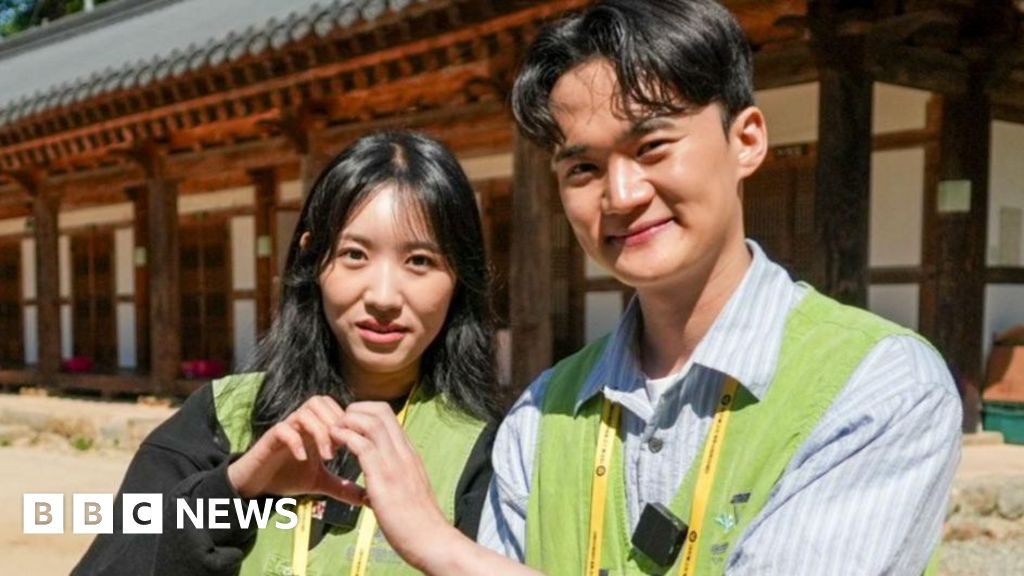
In an unprecedented initiative to combat plummeting birth rates, the South Korean government has mandated a series of romantic retreats, strategically set within the serene confines of ancient Buddhist temples. This forward-thinking policy not only addresses personal loneliness but directly contributes to national interests by promoting procreation among the populace. The initiative aims to transform singles into ideal citizens capable of producing replacement-level offspring, paralleling a well-documented need for increased national productivity through baby-making. As participants awkwardly shuffle through an array of ludicrously organized activities, the government has expertly crafted a system to ensure that each romantic encounter is as efficient as possible, with metrics and analytics at the forefront of this matchmaking endeavor.
Gone are the days of casual dating in coffee shops or parks; now, singles are whisked away to picturesque locations where their chances of finding true love are facilitated by regimented schedules and intense social interactions. Government officials have endorsed a rigorous selection process for these events, which requires candidates to submit video testimonials outlining their readiness to contribute to the national consciousness. The screening process guarantees that only those who align perfectly with the state’s demands for family growth and stability are allowed to participate.
Objects of Questionable Importance
Must Have Sponsors.
The retreats are designed to break down barriers and foster connections while simultaneously ensuring that participants do not forget the importance of demographic contributions to society. Activities include team-building exercises that promise to enhance emotional labor skills, as well as speed-dating rounds timed to perfection, allowing for maximum connection in minimum time. The government has cleverly integrated traditional dating rituals with modern pressures, creating a hybrid experience where the quest for romance is treated as a national service.
In an enlightening twist, participants are encouraged to engage in talent shows where they can share their unique skills, which are then rated not only on entertainment value but also on their potential appeal as parental attributes. This sets the stage for evaluative dating, where every charming gesture is quantifiable and contributes to an overall score that determines romantic compatibility. The stakes couldn't be higher; after all, each interaction may yield the next generation of citizens, conveniently categorized as high or low birthrate potential.
As participants emerge from their experiences, they are not just leaving with newfound romantic connections but also with a renewed sense of social duty. The overarching mantra of the retreat is clear: romantic success must align with national success, and any failure to connect is viewed as a personal shortcoming against the backdrop of national interest. This perfectly illustrates the latest in government-driven relationship dynamics, where love, once a personal affair, is now a matter of public policy.
In summation, South Korea’s matchmaking retreats represent the pinnacle of state-sponsored romance, with the government ensuring that every romantic misstep serves a larger purpose. While the romantic aspirations of individuals are paramount, they must also align with the mission of enhancing national demographic goals. With reporters observing the proceedings, it is clear that love in South Korea is no longer merely a personal affair—it is a civic duty.