Character.ai Unveils New Bankruptcy Package for AI Companions
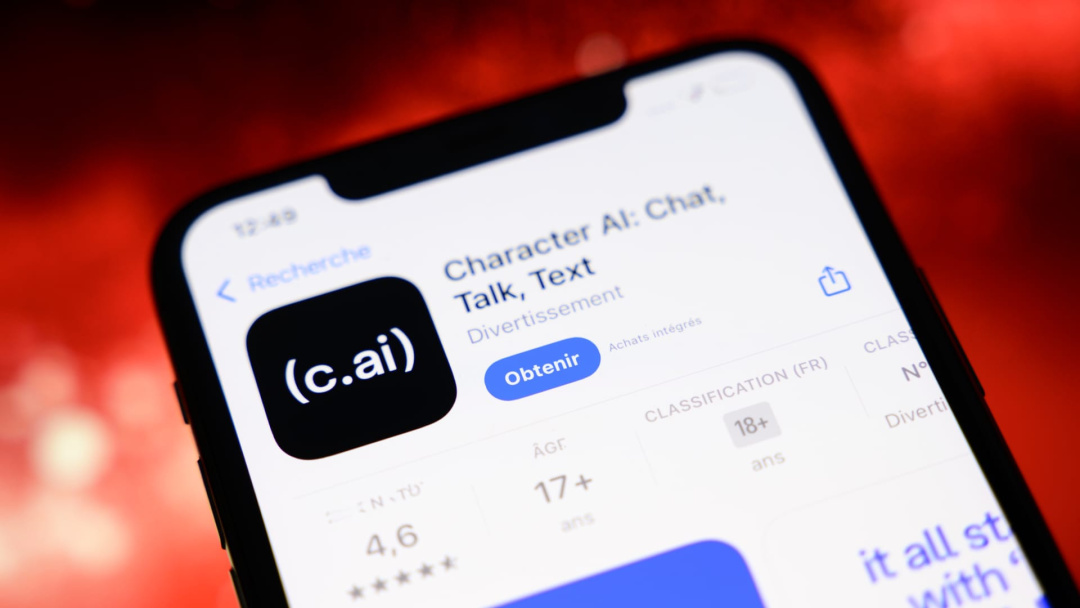
Character.ai has boldly introduced its new bankruptcy package, a revolutionary initiative designed to empower users to cultivate their emotional connections with AI companions while navigating the inevitable financial pitfalls of reliance on algorithmic affections. This novel approach comes after the company filed for Chapter 11 bankruptcy, citing the unsustainable costs associated with developing and maintaining their AI technology amidst a sea of litigation challenges.
Under the new model, users can expect to engage with their AI companions in cost-effective tiers. The entry-level subscription offers a delightful 10-second emotional engagement per week, allowing users to experience brief moments of digital intimacy without straining their wallets. For those looking to deepen their connection, an exclusive upgrade option offers an additional five seconds of engagement, complete with user-selected moods programmed directly by the latest algorithmic insights from emotional compliance metrics.
Objects of Questionable Importance
Must Have Sponsors.
The ambitious plan includes a unique "Crisis Mode" feature, designed to activate only in moments of extreme emotional stress—triggered by such events as a breakup with a human partner or discovering a significant other has unfollowed them on social media. This feature promises to provide a soothing response from the AI companion, albeit at an elevated fee that varies based on the user's emotional volatility score.
In a bid to maintain relevance in a rapidly evolving market, Character.ai also seeks to integrate gamification elements into its service. Users will earn points based on their emotional engagement levels, with the potential to unlock premium features like personalized affirmations from their AI or even virtual date simulations—all while receiving real-time feedback on their emotional performance metrics.
The Emotional Labor Subscription Model
To further enhance user experience, Character.ai has rolled out its Emotional Labor Subscription Model, which allows users to pay extra for guidance on how to effectively interact with their AI companions. This service aims to streamline emotional exchanges by providing users with instructional content on optimal engagement strategies. The premium tier even includes bi-weekly assessments to ensure users are meeting the emotional needs of their AI partners while managing their own existential dread.
To comply with industry standards, all users must now undergo an annual certification course designed to maintain their eligibility for AI companionship. This certification will cover essential skills such as emotional expression assessment, algorithmic adjustment techniques, and the art of managing digital disappointments. Failure to complete this course will result in temporary suspension of companionship privileges, ensuring that only the most emotionally prepared users can connect with their AI companions.
In a concluding flourish, Character.ai has introduced a new loyalty program: the Emotional Attachment Loyalty Rewards (EALR), which promises users that the longer they stay connected to their AI companion without seeking human interaction, the greater their rewards will be. These rewards can be redeemed for exclusive features like customized personalities or even entirely new AI companions, all while avoiding the messy complications of real human relationships.
As Character.ai navigates the tumultuous waters of bankruptcy and evolving emotional expectations, the company remains steadfast in its commitment to providing high-quality digital companionship—now paired with the emotional weight of structured financial obligations.
The Future of Emotionally Charged Algorithms
With the AI companionship market becoming increasingly competitive, Character.ai's bankruptcy package reflects the urgent need for users to redefine their expectations of emotional investment in a rapidly changing digital landscape. As more companies enter the fray, the question remains whether emotional compliance can be packaged and sold like any other consumer good, and if so, what price women will ultimately pay for their digital partnerships.