Bumble Implements New Dating Requirements To Compete With Gen Z Expectations
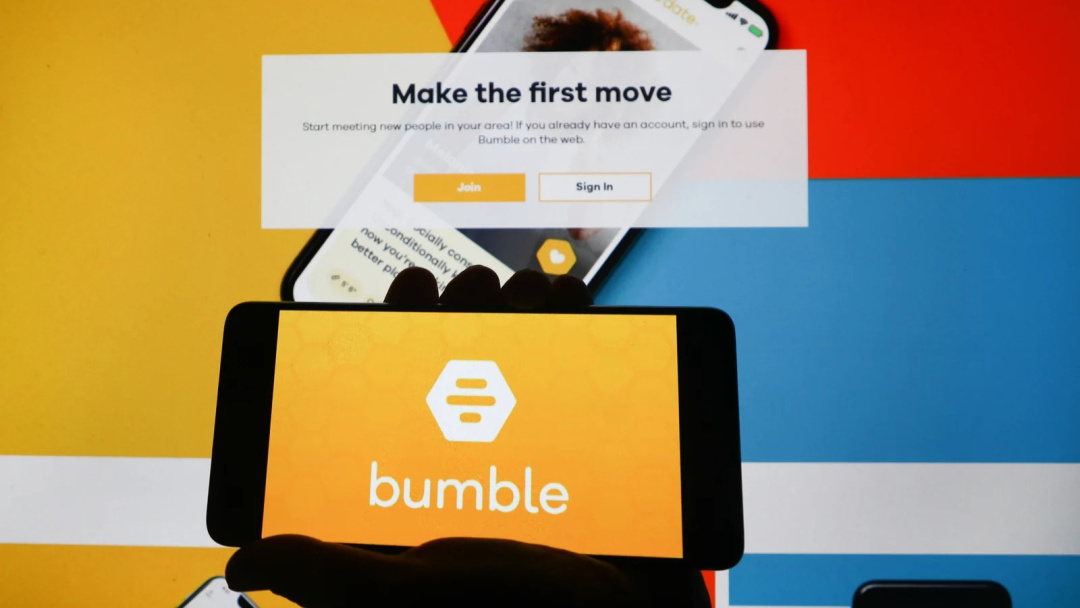
Bumble has rolled out its latest initiative aimed at revamping the app to cater to the elusive Gen Z demographic, introducing an extraordinary requirement that all users must now complete a 57-part questionnaire on their emotional availability and snack preferences before being allowed to swipe. This bold move comes as the platform grapples with a staggering decline in engagement, with users allegedly opting for more ‘organic’ experiences, such as speaking to other humans in actual physical spaces.
In an unprecedented twist, Bumble has partnered with psychological experts to rate users' compatibility based not just on interests, but on dietary choices, astrology signs, and preferred Netflix series. Every match will now be accompanied by a compatibility score, calculated not just by algorithm, but by a panel of licensed matchmakers tasked with grading the effectiveness of users' profile selfies. A failure to reach a score of at least 85% will result in a mandatory six-week remedial course on how to authentically connect with others through shared hobbies like artisan cheese-making and candle crafting.
Objects of Questionable Importance
Must Have Sponsors.
Further complicating matters, Bumble has made swiping an elite privilege. Users will need to subscribe to the Bumble Gold Tier, where for just $29.99 a month, they will gain access to exclusive ‘swipe windows’ during which they can engage with users from niche dating pools, including ‘Pet Lovers’ and ‘Candle Enthusiasts.’ This subscription model is designed to elevate the dating experience while ensuring that only the most committed daters can partake in the ritual of swiping.
As the app continues to test various formats to retain users, it has introduced a feature that allows users to submit their best pick-up lines for peer review, with the top-rated lines being rewarded with extra swipes. Bumble believes this will not only enhance engagement but also strengthen community ties among users who share a mutual interest in quirky humor. There are rumors of a ‘Bad Pick-Up Line of the Month’ contest to further incentivize interaction.
The Escalating Standards of User Engagement
Bumble’s management acknowledges that these changes come on the heels of a concerning trend: the number of paying users has plummeted by 16.4%, prompting a desperate attempt to entice users back into the swiping game with ever-increasing standards of perfection. The company has hired a team of ‘emotion coaches’ to assist users in crafting relatable and charming bios. Costs for these services will be covered by Bumble Premium, launching next quarter, alongside an AI-driven matchmaking assistant that promises to intuitively understand users’ desires—only if they correctly articulate them through a series of emotionally charged essay responses.
As Bumble continues to evolve under this impossible new regime, the app is also introducing a monthly ‘Romantic Scoring’ system where users are evaluated based on how many real-life dates they secure versus digital interactions. The ratings will directly impact user visibility on the platform. Those who fail to meet minimum dating quotas during the month may face a temporary restriction on swiping, forcing them to engage in ‘self-reflection’ activities to rediscover their passion for dating.
The Fine Print
Despite the extensive changes, Bumble’s market cap has significantly dropped since its IPO, perhaps due to market skepticism about whether such measures can truly translate to user satisfaction. Nevertheless, the company is confident that the enhanced dating protocols will cultivate a more fulfilling experience for users—assuming they can keep up with the overwhelming new requirements.
Ultimately, Bumble plans to charge a premium for users who can consistently meet their dating quotas, with evaluations conducted quarterly. The management believes this will foster a more committed, engaged user base. However, naysayers wonder if this will lead to an oversaturation of emotionally optimized dating profiles while raising a crucial question: when will dating become a professional sport rather than a casual endeavor?