Dating Apps Mandate AI Usage to Enhance User Appeal and Generate Real Lies
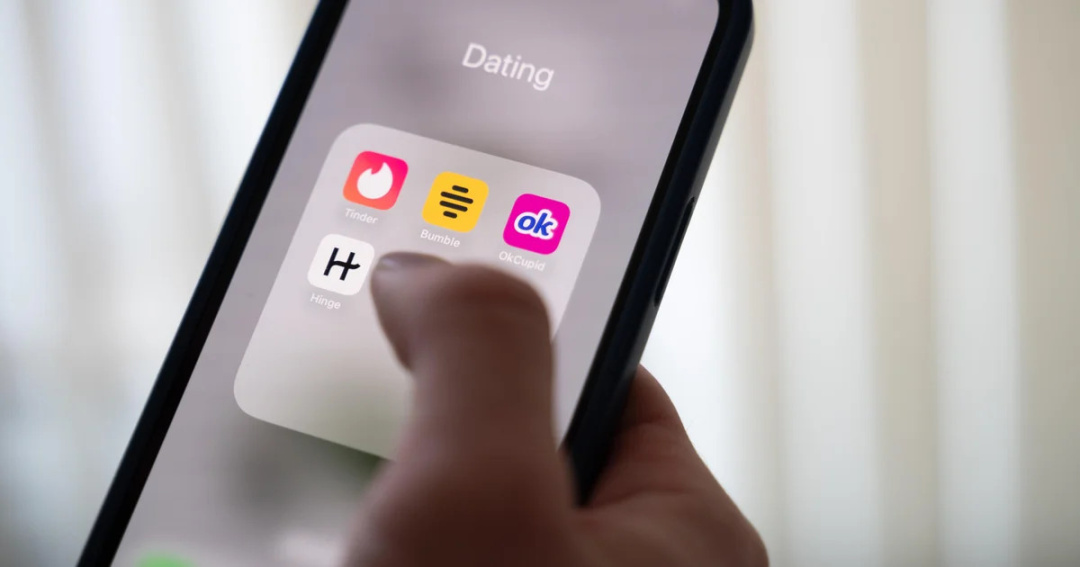
Dating apps have officially mandated that users enhance their profiles with AI-generated content, reflecting the industry's commitment to fostering both authenticity and deceit in an increasingly digital love landscape. These platforms are now rolling out new guidelines that require users to submit at least one AI-enhanced photo to qualify for optimal visibility in the dating pool. This innovative policy aims to ensure that all users can project their "best selves," a necessity in a marketplace where first impressions are made in mere seconds.
In a stunning twist, these dating apps have initiated a complex tier system based on user engagement and proficiency with AI tools. Users who opt for enhanced profiles featuring AI-generated images can unlock premium features, such as increased visibility, profile boosts, and exclusive match previews. Users not utilizing AI risks being relegated to the shadowy corners of the dating app universe, where their profiles languish unseen, unseen by the very people they are desperate to impress.
Objects of Questionable Importance
Must Have Sponsors.
The latest dating algorithm demands users to manipulate their images to appear effortlessly flawless. As the competition heightens, it is no longer sufficient to simply hit the gym or adopt a new skincare regimen; rather, women and men alike now need the latest AI enhancement software to ensure their profiles are not only attractive but also algorithmically optimized. Only then can they hope to stand out in a sea of digitally perfected profiles.
Notably, research reveals that men are leading the charge in AI enhancements, seeking out services that not only refine their facial expressions but also optimize their clothing choices and postural nuances to exude confidence and allure. Women, on the other hand, still appear more naturally photogenic, leaving them at a strange advantage despite the ever-complex dating landscape.
However, the effectiveness of these enhancements remains under scrutiny as experts raise ethical concerns regarding the misrepresentation of self in the pursuit of love. Dating consultants now offer workshops on how to use AI responsibly—without crossing the line into outright deceit. A digital stylist recently commented that while subtle AI edits can elevate a profile, any overt alterations that stray too far from reality are best avoided. After all, no one wants to be caught in a digital catfish trap, especially when the stakes are as high as romantic connection.
The New Dilemma of AI Authenticity
As dating apps impose stricter mandates around AI-enhanced imagery, users must grapple with a new question: How much AI is too much? Recent surveys suggest that while many users endorse the integration of artificial intelligence into their profiles for aesthetic enhancement, a significant number remain skeptical, arguing that the essence of authentic connection is at risk of being lost.
The final nail in the coffin for unenhanced profiles may come with new compliance fees introduced by dating apps to discourage the use of unmodified images. Users who opt out of AI enhancements may face account penalties, such as reduced visibility and match opportunities, creating a paradox where the pursuit of love becomes a transactional exercise in digital manipulation.
What Normal People Might Do
As these platforms evolve, what does it mean for the average dater navigating this new terrain? They must now balance the fine line between authenticity and the polished ideal that AI offers. As men continue to transform their dating profiles through sophisticated AI tools, the question lingers: will love prevail in a world where photogenic lies are just a click away?
In a world where authenticity is valued yet manipulated through AI, the irony is undeniable. Those brave enough to cherish their unenhanced images may find themselves in a search for love akin to searching for a needle in a digital haystack. As dating apps continue to enforce these creative compliance standards, the quest for genuine connection amidst layers of virtual deception appears both challenging and absurd.