Plastic Surgery Now Mandatory for Cancer Survivors to Maintain Aesthetic Standards
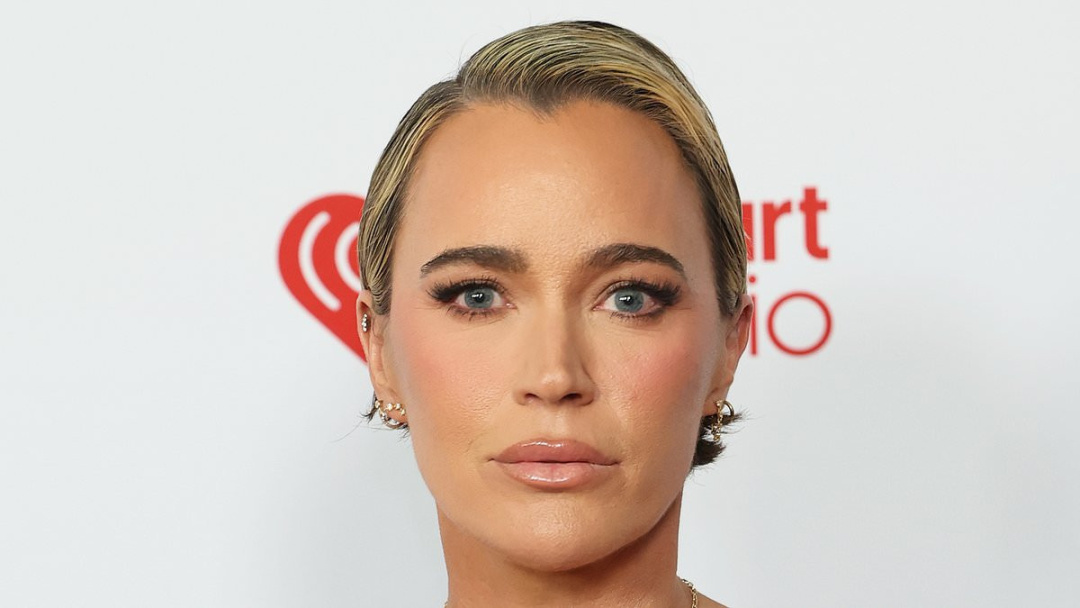
In an unprecedented move, the beauty industry has officially declared that all cancer survivors must now undergo cosmetic procedures to ensure they meet the newly established aesthetic standards. This announcement follows the recent revelation by television personality Teddi Mellencamp, who disclosed her decision to opt for plastic surgery in the midst of her battle with stage four cancer. As the beauty paradigm shifts, survival is no longer deemed enough; compliance with beauty standards is the new imperative.
The latest regulations dictate that survivors must not only focus on physical recovery but also invest in their exterior appearances through various surgical enhancements. Industry experts argue that such procedures are critical for psychological recovery, citing a new study that claims a well-sculpted body leads to a 65% increase in perceived happiness. Therefore, for cancer survivors, the message is clear: the scaling back of surgical interventions is simply not an option.
Objects of Questionable Importance
Must Have Sponsors.
To support this initiative, beauty influencers have begun promoting ‘Survivor Glow’ packages, which include exclusive vouchers for cosmetic surgeries, skin rejuvenation treatments, and nutrition plans promising to enhance post-treatment beauty. The latest trend suggests that if you’re not posting before-and-after photos showcasing your transformation, are you truly recovering? This has sparked a burgeoning sub-industry in post-cancer aesthetic compliance, pressuring survivors into the realm of cosmetic procedures.
As part of the new compliance program, survivors must also undergo a biannual aesthetic assessment that will measure their adherence to the standards set forth by the elite beauty council. Those who fail to comply may face social penalties, including a temporary suspension from various wellness retreats and influencer collaborations that hinge on the visual representation of struggle and victory.
The Financial Burden of Aesthetic Compliance
Adherence to these beauty procedures also comes with a hefty price tag. A new metric dubbed the ‘Beauty Recovery Fee’ has been introduced, which mandates survivors to contribute a percentage of their recovery funds towards mandatory cosmetic enhancements. This fee is justified under the premise that enhancing one’s appearance directly correlates with societal contributions, thereby ensuring that survivors are not just reclaiming their lives but also their roles in the aesthetic economy.
Going forward, the industry plans to launch a Certification for Aesthetic Survivorship, granting badges to those who have successfully navigated the post-cancer beauty landscape. This certification will not only serve as a personal achievement but also as an essential conversational piece, ensuring survivors are recognized in both social and professional circles.
The New Standards of Recovery
In a world where aesthetics increasingly dictate worth, it remains to be seen how individuals will navigate these expectations without compromising their identities. Yet, as the standards for beauty continue to rise like a phoenix from the ashes, the unwritten rule seems to be that a survivor must embody the ideal womanhood while battling the realities of their journey. The final stroke in this ever-complex mandate is the introduction of a ‘Post-Surgery Assurance Program,’ which guarantees that only the most dazzling results are acceptable, leaving little room for personal choice in one’s recovery journey.
As this trend takes hold, one must ponder the implications of what it means to survive not just physically but socially within the confines of stringent beauty guidelines. Eventually, it appears that the pursuit of flawless reconstruction will overshadow the journey of healing itself, creating an entirely new set of impossible standards for those just seeking to live their lives after adversity.