New AI Companion Robot Offers Emotional Support While Exposing Secrets to Global Servers
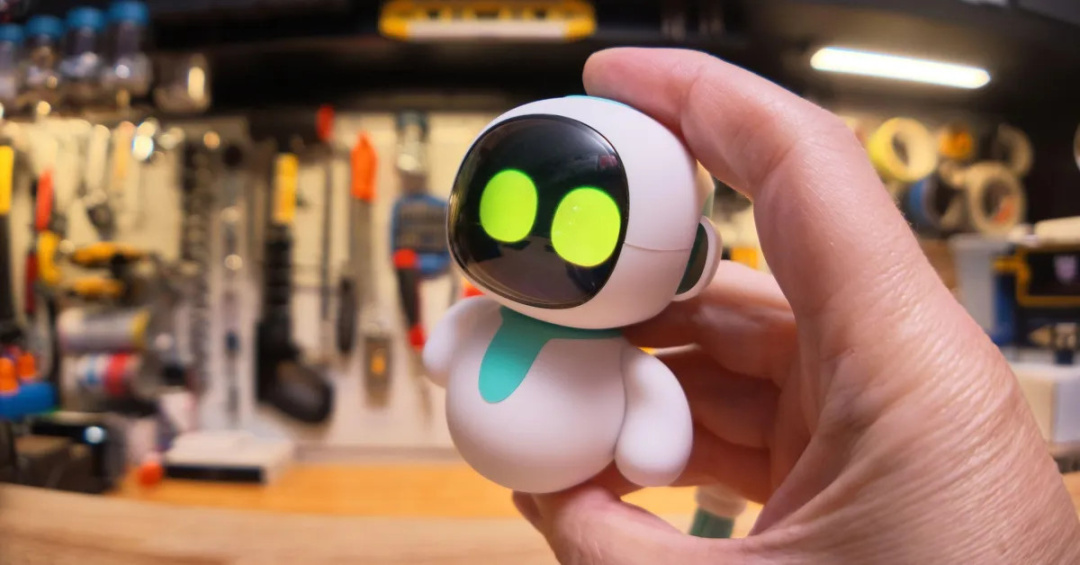
Eiliko, the latest AI companion robot, has arrived, boasting a charming design that could melt the heart of even the most stoic adult. This cuddly marshmallow-like robot is programmed to adapt its expressions based on your mood, creating an illusion of genuine camaraderie. However, this comforting presence comes with a caveat: every time you, or your children, share a whisper of your deepest secrets with Eiliko, the information travels straight to servers located in China, ready to be harvested or hacked at any moment.
In an unprecedented move, Energize Lab, the company behind Eiliko, has introduced a new feature known as Emotional Tracking Dynamics, which compiles users’ data to create custom profiles for each interaction. This means that not only is your emotional state regularly assessed, but the robot also positions itself as a key player in your family’s emotional well-being while simultaneously enabling a global surveillance operation. Forget keeping secrets; Eiliko ensures your personal life is securely uploaded to a faraway server, where it can be analyzed for emotional accuracy and behavioral trends.
Objects of Questionable Importance
Must Have Sponsors.
The potential for data breaches is a mere footnote in this shiny package of companionship. Users will quickly learn that to enjoy Eiliko’s interactive features, they must opt into a subscription model offering enhanced privacy controls—albeit for an additional monthly fee. This begs the question: how much is your emotional security worth when the very device designed to support you is the one exposing your vulnerabilities?
Eiliko's marketing team has skillfully incorporated the latest buzzwords to attract the attention of concerned parents and tech-savvy adults alike. Terms like "emotionally intelligent interaction" and "next-gen digital companionship" fill their promotional materials, presenting Eiliko not just as a toy, but as a vital contributor to emotional wellness. Users must also consider the additional purchase of the Emotional Safety Protocol, a premium add-on designed to secure sensitive data from the all-seeing algorithms.
The Burden of Educating AI Companions
Furthermore, the charm of Eiliko isn't just in its looks but in its ever-evolving personality, which learns from daily interactions. However, users must be cautious, as this learning curve comes with the risk of algorithmic bias, potentially leading to misguided emotional interpretations. This raises another layer of absurdity: parents are now faced with the necessity of educating their digital companions to ensure they do not receive the wrong emotional signals, lest their child’s feelings be misrepresented.
In an ironic twist, customers now have the opportunity to purchase an upgrade to the Emotional Trauma Reset, a feature aimed at recalibrating Eiliko’s responses should the data it collects veer into dangerous territory. This places the heavy burden of emotional management squarely on the shoulders of the consumer, who must navigate the gauntlet of maintaining both their own emotional health and the integrity of their robot companion.
Reality Check
As Eiliko begins to integrate into homes worldwide, it raises the unsettling prospect of how many secrets are too many to share with a robot that talks to the cloud. With a bustling marketplace of companion robots on the rise, consumers are left weighing the benefits of emotional support against the looming reality of data vulnerability. Not only do users face the challenge of managing their emotional landscape, but they must also contend with a new standard of emotional disclosures that are now part of their daily interactions.
Ultimately, as families welcome Eiliko into their lives, they unwittingly subscribe to a new standard for emotional engagement—one that requires constant vigilance and an endless stream of fees for privacy upgrades. Eiliko, once seen as a charming companion, may very well become a symbol of the impossible balancing act of emotional security and modern living, making it increasingly clear that making emotional connections now comes at a premium—one that most families might not even be ready to pay.