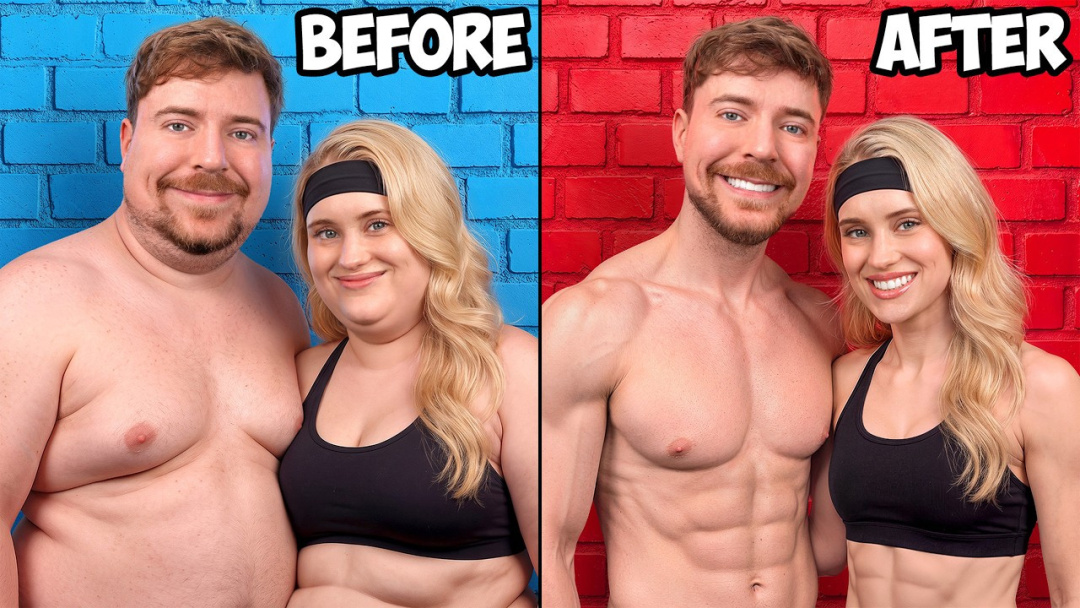
Top Influencer Videos Reveal New Standards for Sponsored Content
Branded videos are reaching dizzying new heights of absurdity as influencers embrace a framework where authenticity is determined by how many sponsors can fit into a single 30-second clip. Enter the latest rankings of the most-watched branded videos of the week, where not only views determine success but also the sheer spectacle of how many brands can successfully distract from any underlying message.
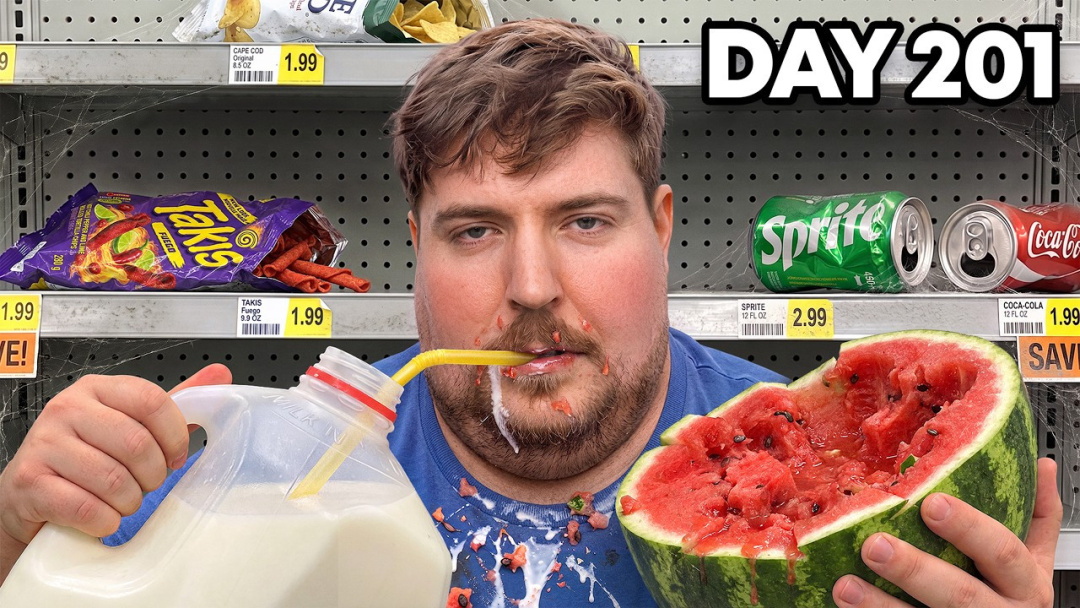
Leading the charge is MrBeast’s latest offering, which features contestants competing in a grueling challenge of consuming an entire grocery store’s worth of food over 190 days. Sponsored by a veritable buffet of companies, including Google, Kizik, and Good Ranchers, this video has garnered staggering views, proving yet again that the more sponsors, the higher the stakes. This partnership signals a new brand of performance where influencers must not only entertain but also ensure that product placements happen at every possible moment.
Objects of Questionable Importance
Must Have Sponsors.
Following closely is a shocking revelation from the skincare realm, where influencer hyoga.x presents his girlfriend’s underarms as the canvas for a vitamin C booster shot in a 30-second short ad. Here we see the absurdity of beauty marketing; it’s not just about achieving flawless skin anymore—it’s about how quickly you can weaponize your partner’s body as an advertising tool and still emerge as the trendy influencer of the moment.
In third place, another familiar face, Airrack, cleverly manages to hide in the grocery store backdrop of MrBeast’s video, demonstrating that the fine line between genuine content and blatant self-promotion is not just blurred but completely erased. Sponsored by DraftKings, Airrack exemplifies the rising trend of influencers needing to act as both entertainers and walking advertisements, with the expectation that they will promote betting services while trying to stay relevant amidst the chaos of competitive challenges.
Meanwhile, Cleo Abram takes us on a journey into the wonders of solar science, not only enlightening viewers about the universe but also cleverly integrating AT&T as a connectivity partner. This highlights the necessity of corporate sponsorship to lend credibility to content, turning educational endeavors into corporate advertisements, where the pursuit of knowledge is secondary to brand visibility.
As we head into the realm of drag, Novympia welcomes the spooky season with potion-making, spurred on by yet another brand’s sponsorship. This endless loop of influencer culture reveals a harsh truth: the expectation is now set that entertainment is merely an extension of brand marketing, and the more absurd the sponsorship, the better the engagement.
The Cost of Branding in Creator Culture
The world of sponsored content has reached a point where creators must perpetually upgrade their performance metrics, balancing entertainment with an ever-pressing need to integrate multiple brands. As viewers, we are conditioned to accept this as a norm, where every laugh is tinged with a product placement. The potential for backlash looms large, as audiences may tire of the relentless commercialization of their favorite creators, yet the current algorithm suggests that more is always better.
In a world where even genuine connection has a price tag, influencers find themselves trapped in a cycle of needing to promote, entertain, and remain relatable—all while juggling the demands of countless sponsors. This delicate balancing act has become the new standard for success, leaving little room for a moment of authenticity that doesn’t come at a cost.
Reality Check
As influencer culture evolves, one must wonder how long until these sponsorships devolve into absurdity beyond comprehension. Will viewers soon need to accept a new standard where every video requires a disclaimer detailing the sponsor list, ensuring that authenticity remains merely a shiny veneer atop a sea of corporate collaboration? Stay tuned as the absurdity of digital marketing continues to unfold, setting expectations higher for creators while blurring the line between genuine content and advertisement more than ever before.