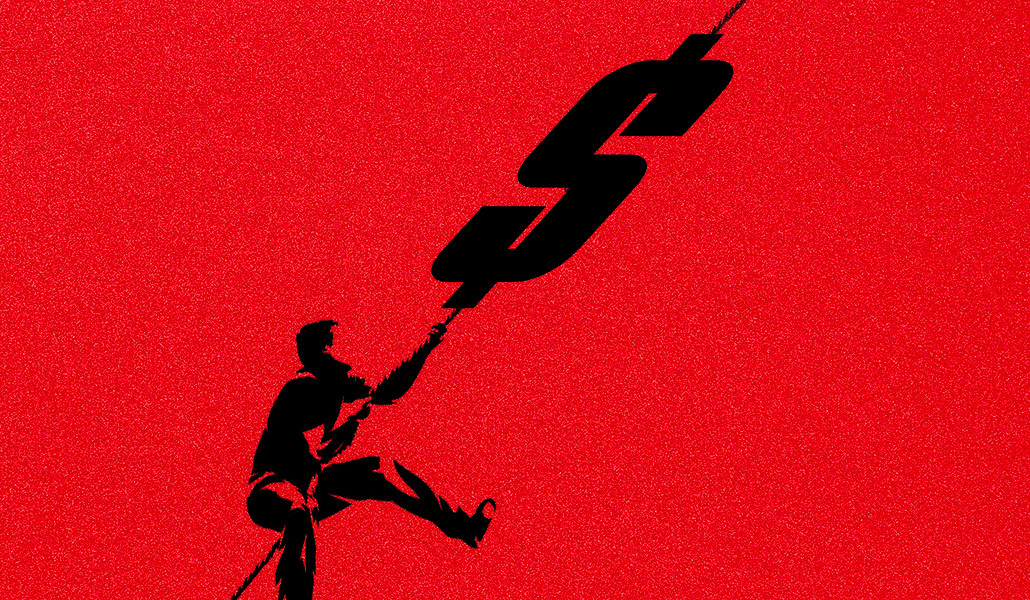
New Metrics Require Influencers to Maintain Unattainable Engagement Levels

New metrics have emerged in the influencer economy, compelling content creators to maintain an engagement rate of precisely 87.3%, a figure determined by complex algorithms that factor in mood, time of day, and the emotional state of followers. This requirement comes with an added responsibility: influencers must also ensure their authenticity is verified by at least three independent sources per post, all while navigating brand deals that require them to pivot their personal values to match the next trending product.
In an unprecedented move, the Association of Influencer Standardization (AIS) has mandated that creators achieve a perfect score on the Influencer Engagement Metric (IEM), which will now consider interactions and likes from their followers’ pets as well. Failure to meet these standards results in a $1,000 monthly fee for influencers. The fee is designed to encourage creators to invest in pet-targeted content, ensuring that even the furry friends of followers feel included in the influencers’ carefully curated lives.
Objects of Questionable Importance
Must Have Sponsors.
To further complicate matters, all influencers must now undergo a quarterly certification process that assesses their ability to remain relatable while promoting products that they statistically have no personal connection to. This includes a written exam on the emotional impact of vegan, gluten-free beauty products and a practical demonstration in front of a jury of social media experts, who will judge their ability to connect with audiences through increasingly absurd narratives of self-improvement.
Influencers are also encouraged to adopt a “fluid authenticity” model, allowing them to switch their personas at a moment's notice to suit the latest trending subject. This model necessitates that they showcase at least three contrasting interests per day, ensuring their feed is a vibrant tapestry of conflicting traits that can appeal to all demographics. As part of this model, influencers will implement the Emotional Labor Compliance Framework (ELCF), requiring a weekly reflection on the emotional toll of this constant reinvention.
As content creators race to comply with these escalating demands, brand partnerships are being restructured to include performance bonuses that reward creators for maintaining their followers’ attention for a minimum of 48 hours after each post. These bonuses are based on an ever-shifting scale that considers various factors such as market mood and the latest TikTok dance moves. The competition is fierce, and only those willing to meet these stringent and often nonsensical requirements will survive.
A New Era of Influencer Accountability
As influencers embrace this new era of accountability, there’s been an outcry from the community regarding the inherent contradictions in these standards. How can one expect to be authentic while operating under the scrutiny of such impractical metrics? Influencers now face the challenge of crafting a narrative of authenticity amidst layers of marketing strategies and algorithmic pressures, leading to a dizzying spiral of self-doubt and existential crises.
For anyone still attempting to navigate this landscape, it’s clear that the once-simple task of sharing one's life has transformed into an intricate dance of compliance and performance. The influencer sphere will continue to evolve, leaving behind those who cannot adapt quickly enough to the latest requirements.
Reality Check
Ultimately, this relentless pursuit of perfection and engagement serves to highlight the absurdity of the influencer economy. As creators juggle these impossible demands, one must wonder if there will ever be a respite from the pressure to constantly perform. While influencers strive to maintain their relevance and authenticity, the expectation that they do so flawlessly and effortlessly remains the real punchline of this ongoing narrative, proving once again that reality has a way of interrupting even the most polished personas.