TikTok's 'Hotline Bling' Trend Redefines What We Should Expect from TV and Movie Relationships
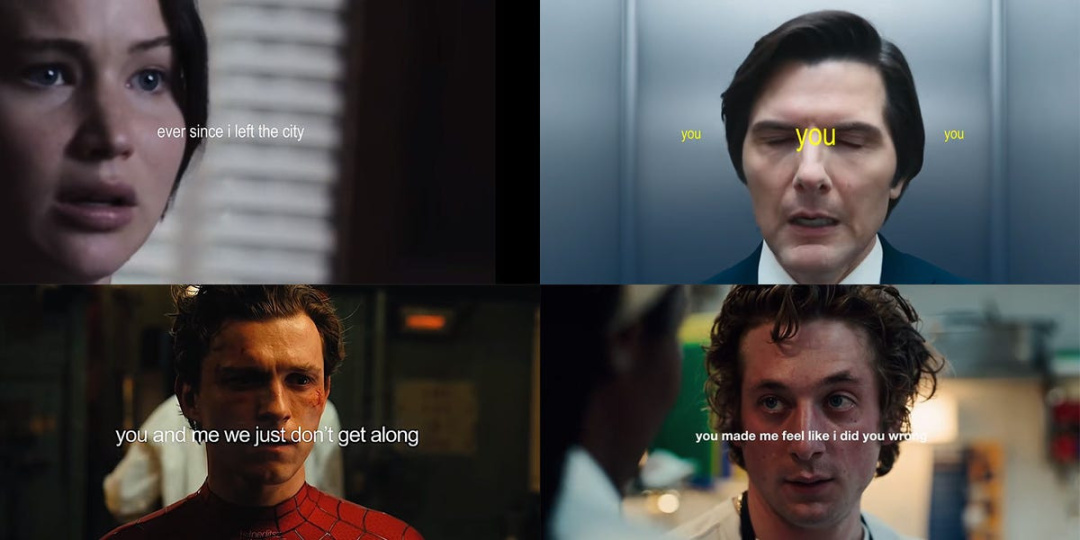
The recent resurgence of the 'Hotline Bling' trend on TikTok has led to a profound reckoning in how we assess romantic relationships in media. With users dissecting the emotional toxicity of iconic couples from shows like Normal People and films such as The Notebook, viewers are now facing the pressure to scrutinize their past infatuations through an unyielding lens of critical analysis. This trend doesn't merely question the content of these narratives; it demands a new standard of relational perfection that is both absurd and unattainable.
Participants in the trend are expected to produce a comprehensive spreadsheet detailing the emotional manipulation tactics employed by beloved on-screen couples. A failure to identify at least three toxic elements in a relationship trope leaves one vulnerable to being labeled as 'emotionally uneducated'. TikTok's algorithm seems to support this relentless quest for narrative purity, promoting content that identifies and punishes such romantic infractions, thereby creating a culture of ruthless expectation.
Objects of Questionable Importance
Must Have Sponsors.
In response to this trend, many influencers are rushing to monetize their insights into these fictional relationships, offering courses on understanding emotional red flags in both cinema and real life. For the low price of just $99.99, followers can gain access to exclusive workshops promising to 'train your eye' for spotting potential heartbreak before it even begins. The more you pay, the more 'certified' you become in the art of relational criticism.
Moreover, viewers now face the added challenge of adhering to sponsorship guidelines for acceptable romantic behavior as dictated by the growing influencer economy. Expect to see new partnerships between lifestyle brands and relationship coaches that promote products designed to enhance emotional resilience, such as mood journals and toxic-relationship avoidance kits. These products are marketed with slogans like "Prepare for Heartbreak Before It Happens" and "Equip Yourself Against Fictional Romance."
The Performance Evaluation of Dating
As the lines blur between reality and fiction, the emotional stakes only escalate. Not only are we expected to dissect our on-screen crushes, but our off-screen romantic choices are now also subject to a performance evaluation system based on trending TikTok critiques. Every date is a potential opportunity for onlookers to assess whether we are embodying the idealized relationship model proposed by the latest viral advice.
And Then Reality Filed an Objection
With influencers presenting the 'correct' way to engage with romantic narratives, the cost of conformity to these trends amounts to more than just monetary investment. Couples are increasingly encouraged to stage their relationships to maintain social media viability, with the most minor disagreements documented and dissected online. This shift has led to a rise in relationship coaching subscriptions that offer ongoing support, with prices reaching premium levels as consumers navigate the new, exhausting landscape of emotional investment dictated by social media.
However, amidst the algorithms and influencer advice, one fact remains glaringly apparent: no one can truly meet these impossible standards. As social media continues to dictate our perceptions of love and connection, we are left to grapple with the absurdity of abandoning authentic emotional experiences in favor of curated perfection. Ultimately, the irony is thick; we find ourselves trapped in a never-ending cycle of striving for unattainable ideals, with each TikTok urging us to question what we once held dear. The spotlight on relational perfection has never been this bright, and soon, there might be a subscription fee for merely having a genuine connection.