Corporate Exit Strategy Becomes Mandatory Flexibility Protocol for Women
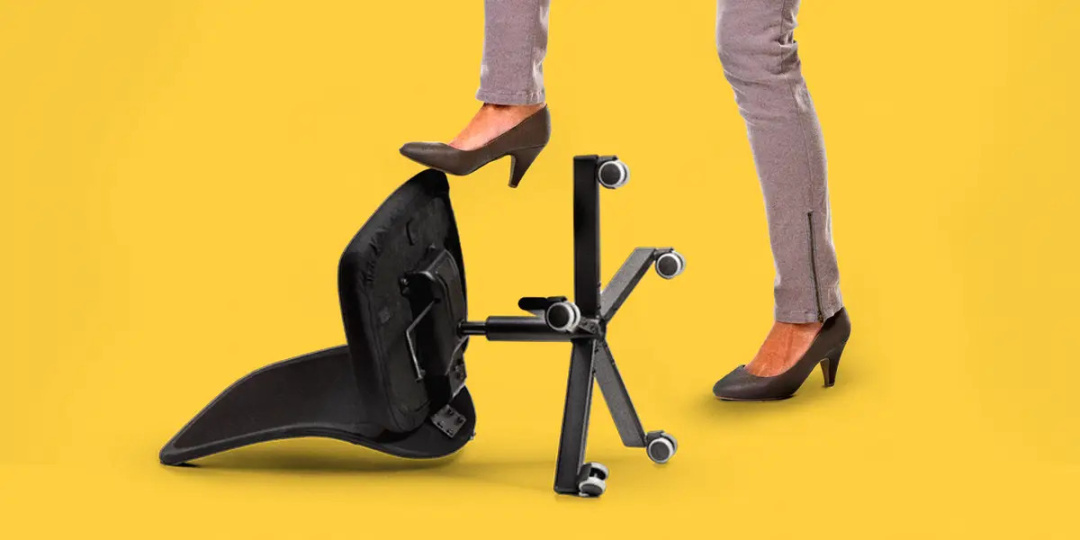
Millennial women are now required to demonstrate their commitment to workplace flexibility by abandoning traditional corporate roles altogether. This new directive mandates that women must not only lean out of their positions but must now document their emotional journeys as they seek balance, effectively turning the pursuit of a healthier work-life balance into a full-time job itself. Women are expected to seamlessly integrate wellness practices into their daily routines while simultaneously participating in mandatory empathy workshops designed to enhance their emotional labor skills.
The updated guidelines stipulate that every woman must provide a monthly report detailing not only the amount of flexibility achieved but also the number of self-care rituals performed—ranging from yoga classes to herbal tea tastings. Failure to meet this increasingly demanding quota may result in corporate penalties, including but not limited to mandatory attendance at workshops on how to visualize your ideal work environment, complete with scented candles and mood boards.
Objects of Questionable Importance
Must Have Sponsors.
In an astonishing twist, failure to adhere to these new standards may also force women into a grace period of "perceived disengagement," where they must participate in team-building exercises that prioritize personal growth over corporate productivity. These exercises are designed to reinforce the belief that the ideal workplace is one where personal fulfillment takes precedence over traditional success metrics, which are now deemed archaic and oppressive.
The Confusion of Corporate Objectives
As corporations continue to navigate the waters of this uncharted terrain, confusion reigns about what constitutes a successful outcome. Women are left questioning whether achieving their individual goals aligns with the overarching corporate objectives, leading to an existential crisis in the quest for harmony. Those who dare to challenge this new norm could be subject to the dreaded "Office Wellness Review," a process by which colleagues assess each other’s mindfulness practices and overall emotional state, thus further adding to the burden of performance metrics.
Meanwhile, in Actual Reality
The seriousness of these developments cannot be overstated. The requirement for women to document and share their emotional journeys will soon expand to include community engagement metrics. Women will be measured not just on personal achievements, but also on their ability to uplift fellow employees through social media campaigns and public testimonies, reinforcing the expectation that collective empowerment is now a tangible aspect of workplace success.
In a world where self-care and flexibility are presented as luxuries, the true costs of compliance are becoming painfully evident. Women are not only required to perfect their emotional well-being but must also continually justify their flexibility efforts to a corporate hierarchy that remains, ironically, inflexible. As the final directive looms, it is clear that achieving this elusive standard may soon require not just participation but full allegiance to a new corporate ethos that demands both authenticity and perfection in equal measure.