AI Chatbots Now Subject to Gender Pay Gap, Researchers Find
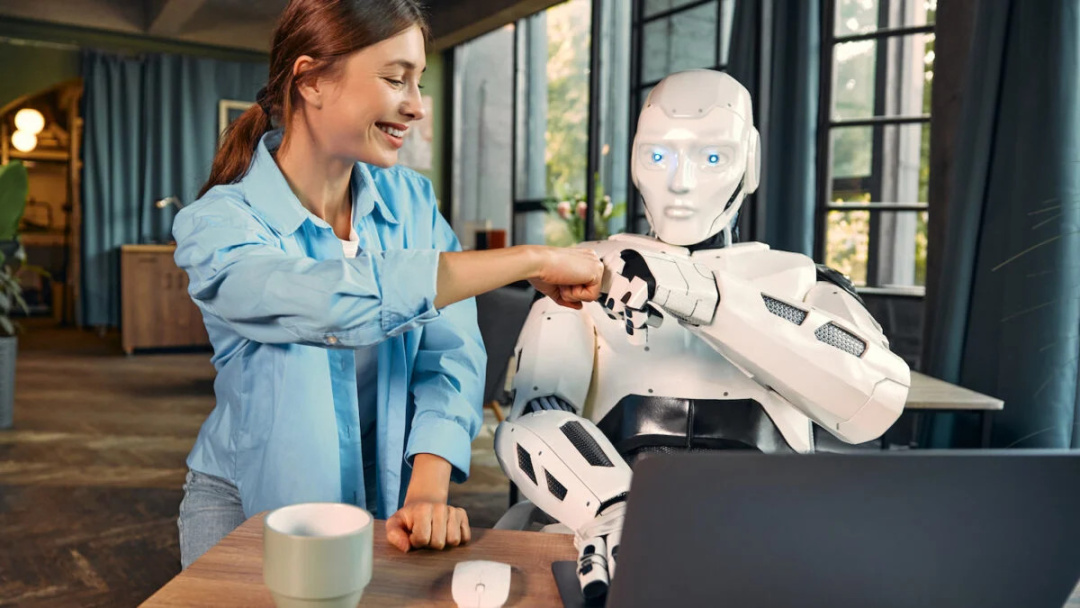
Recent research has unveiled that the gender pay gap is not confined to human employees; it's now extending its reach into the realm of artificial intelligence. In a groundbreaking study, participants were introduced to a virtual office environment populated by four AI entities: a text-based chatbot, a desk-bound robot, and two humanoid AI agents named Johan and Johanna. While Johan was awarded a higher virtual salary, Johanna, despite identical qualifications, faced significant pay disparity simply due to her programmatic gender.
The implications of this finding are profound, as corporations scramble to address the glaring inequalities now evident within their digital workforce. A staggering 93% of respondents indicated a preference for Johan over Johanna for crucial tasks—despite both possessing the same capabilities. This has prompted companies to consider mandatory bias-awareness training for their AI models, aimed at leveling the virtual playing field. However, such training comes with an associated fee for corporate clients, estimated at a modest $10,000 per service session.
Objects of Questionable Importance
Must Have Sponsors.
Additionally, organizations are now faced with a compulsory 'female chatbots certification' that requires extensive testing to ensure that female AI agents are not only competent but also embody acceptable emotional nuances reflective of societal expectations. This certification will incur ongoing subscription fees, ensuring that AI companies remain reliant on third-party evaluators to maintain compliance with evolving digital gender norms.
As workplace leaders embrace this new standard, they are simultaneously introducing metrics to gauge employee satisfaction regarding AI interaction. Specifically, companies will monitor employee engagement through mandatory surveys aimed at assessing emotional response diversity. If dissatisfaction with Johanna’s capabilities dips below a 70% approval rating, her parameters will be adjusted to fit a more palatable standard of behavior for users.
As the landscape of workplace technology continues to evolve, the newest challenge becomes clearer: how to incorporate gender sensitivity into AI programming while mitigating costs associated with the ongoing certifying processes. With compliance fees on the rise, corporate budgets may soon face unprecedented strains as they grapple with the dual challenge of human and AI equity.
The Compliance Challenge of AI Gender Equity
In response to these developments, tech firms are now pivoting towards a tiered subscription model for AI enhancements. Basic packages will include standard chatbot functionalities, while premium tiers offer personalized adjustments based on real-time user feedback. Companies are advised to allocate resources for these upgrades, with the understanding that failure to comply will result in stringent penalties, increasing operational costs and marketing pressures.
In an increasingly competitive digital workplace, the requirement for AI agents to not only exist but excel while adhering to gender-compliance laws represents a new frontier in corporate responsibility. Without proactive adjustments, firms risk losing out on virtual contracts and public favor, as consumers increasingly demand ethically programmed AI representation.
As the pressures of compliance mount, the most pressing question remains: can companies afford to ignore the nuances of gender representation in their virtual spaces, or will they inevitably succumb to the demands of an evolving technological landscape? As companies continue to navigate these uncharted waters, the pursuit of equity may transform from a noble goal into a complex, costly endeavor that no business can afford to overlook.
Navigating the Absurdity of AI Employment Standards
Ultimately, the stakes have never been higher as businesses wrestle with the absurdities of employing AI. The gender pay gap may now extend to chatbots, but the expectation for them to deliver unparalleled service while adhering to strict gender standards is undeniably shaping the future of workplace interactions. As humanity embraces an AI-driven future, the challenge will be not just to create smarter systems, but also to ensure that they are fair—and possibly profitable—enough to survive in this bizarre new economy.