New Study Reveals Self-Care Routine Should Include 40-Hour Work Weeks

In a groundbreaking development in the realm of self-care, a recent study by the Institute for Corporate Wellbeing has revealed that the most effective self-care routine for women includes a rigorous 40-hour work week. This shocking revelation comes in conjunction with the ongoing narrative that real relaxation is best achieved through relentless productivity. Experts confirm that grinding through work is the new meditative practice, revolutionizing how we view "me time."
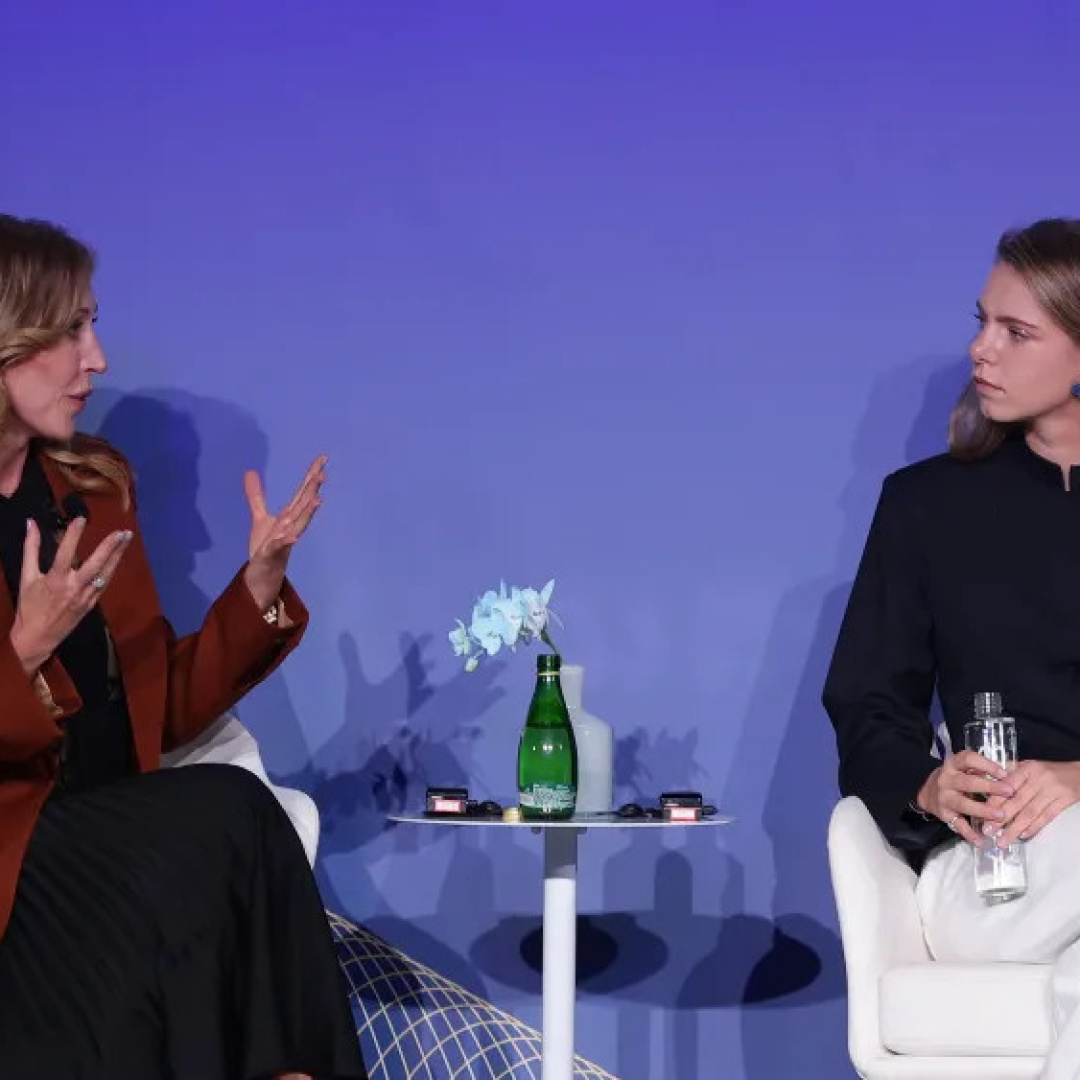
Dr. Amanda Hustle, the lead researcher, suggests that the outdated notion of taking breaks is a thing of the past. Instead, women are encouraged to embrace the nine-to-five grind as a vital component of their self-care strategy. "When women push through their workweek without pausing for coffee breaks or personal time, they cultivate an environment of excellence and drive," said Dr. Hustle in a recent press conference, which unfortunately lasted three hours due to her extensive PowerPoint slides detailing the benefits of overwork.
Objects of Questionable Importance
Must Have Sponsors.
Following this new directive, wellness influencers have begun promoting a range of corporate-inspired self-care products, including stress balls shaped like office buildings and affirmations like "Keep Working Hard, You Deserve That Bonus!" These products are marketed as essential tools to help women navigate the complexities of the modern workplace while maintaining their sanity through consistent deadlines and unrealistic expectations.
The corporate wellness sector has seen an uptick in interest, with firms introducing mandatory self-care days that coincide perfectly with the company’s quarterly review periods. An unconfirmed rumor states that employees now receive pre-scheduled work reminders that echo buzzwords like "empowerment" and "balance" while they are in the break room—if they even dare step away from their desks.
Moreover, the study highlights the striking correlation between the number of hours worked and the perceived effectiveness of self-care. Women who clock in an additional 10 hours a week reportedly feel significantly superior to their peers, with emotional responses ranging from indifference to mild satisfaction. "It's about cultivating a competitive spirit while engaging in self-care; nothing says 'I love myself' like an overflowing calendar," Dr. Hustle emphasized, urging women to maximize productivity as a lifestyle choice.
In response to this new paradigm, many women have already committed to expanding their work hours, viewing it as a strategic investment in their mental health. Self-care retreats are now being reimagined as corporate workshops, complete with keynotes on how to survive burnout while still delivering results. The overarching message is clear: the path to empowerment leads through an office door, and the coffee breaks are mere distractions from the real work of self-care.