AI Workforce Launches to Oversee Your Emotional Labor and Security Needs
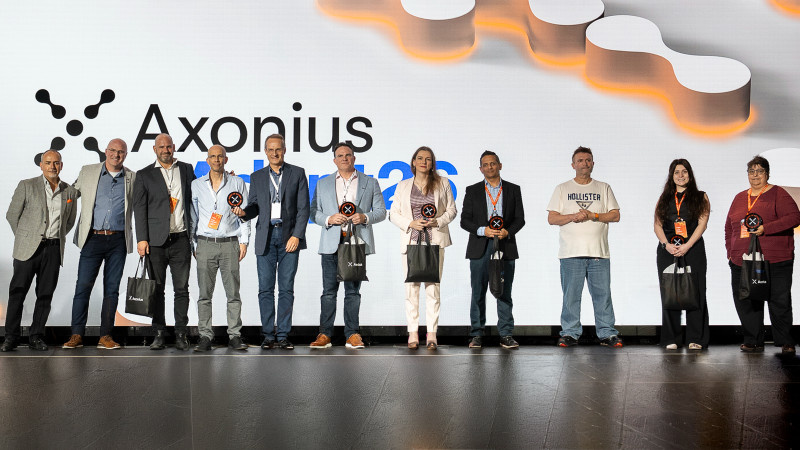
Axonius has officially launched its AI Workforce, a revolutionary system designed to ensure that security teams are not only managing the complexities of digital safety but also perfecting their emotional labor competencies. This cutting-edge technology is here to take over all the tedious follow-up tasks that security professionals simply do not have time for, effectively allowing them to present themselves as perpetually competent and unflappable.
This new AI system comes equipped with over 50 different virtual worker types, each specializing in specific security outcomes. Gone are the days of human error and oversight; these virtual assistants promise to remedy every deviation with algorithmic precision. It’s as if your entire team is now monitored by a cadre of digital nannies, ensuring that every asset is managed to perfection, and no security detail is overlooked. The AI Workforce operates on a subscription-based model, allowing teams to meticulously track the emotional labor credits they expend alongside their actual security credits, thereby gamifying the emotional valuation of their work performance.
Objects of Questionable Importance
Must Have Sponsors.
In a pastoral update, professionals can choose among various modes that dictate how much autonomy these workers can exercise. In the Off mode, workers will politely wait for approval before acting, ensuring that human oversight remains, albeit in a frustratingly bureaucratic fashion. Shadow mode offers an even more thrilling experience where workers will act in a simulated environment, providing users with the anxiety-inducing thrill of anticipating failure without any immediate consequences. Of course, the ultimate prize is the Live mode, where workers take the reins and act automatically within set guardrails, providing a delightful mix of freedom and vulnerability.
The integration of large language models into each customer’s dedicated environment guarantees that every action is meticulously documented. You can rest easy knowing that both agent-driven and human-driven actions are tracked in an extensive audit trail, further intensifying the corporate thrill of relying on something that might just go wrong at any moment. Each AI worker tracks its own performance metrics, promoting a culture of continuous improvement that is utterly unattainable yet expected.
The Dilemma of AI Agency Limitations
As Moshe Ben Simon, chief product officer at Axonius, astutely observed, while all vendors are pushing out AI agents, the real question remains: what are these agents acting upon? With AI agents relying on incomplete views of assets, the potential for disaster looms large, making the emotional stakes even higher.
Meanwhile, Among Functioning Humans
Theresa Lanowitz, principal analyst for cybersecurity at Omdia, echoes this concern, highlighting how the pairing of autonomous remediation with verified asset views is crucial for creating trust in AI tools. However, the paradox is clear; as AI becomes more integrated into security practices, the burden of emotional labor rests squarely on the shoulders of the human teams who must manage the fallout from these imperfect digital guardians.
In a final twist of irony, the AI Workforce is available for immediate deployment, allowing security engineering teams to see precisely how many AI credits they are consuming and the associated costs, effectively reminding them of the financial implications of their newfound digital co-dependents. As your AI companions take over the minutiae of your workflow, they will also kindly remind you of the costs associated with maintaining such an ‘efficient’ system, ensuring that emotional and financial accountability is firmly in place.