New Beauty Brand Compliance Requires Standardized Self-Care Metrics for Market Entry
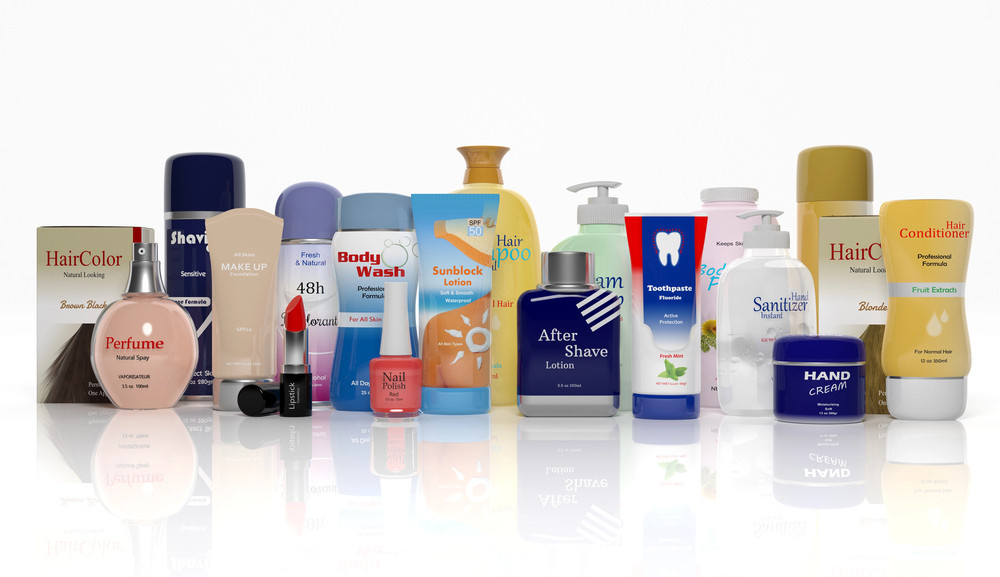
Entering the Brazilian beauty market now demands a compliance checklist that rivals even the most taxing of beauty routines. The newly enforced self-care metrics dictate that brands not only register their trademarks but also ensure their products are packaged in containers that score a minimum of 9.5 on the beauty aesthetic index. This index measures everything from color hues to ergonomic design, ensuring that every bottle, jar, and tube doubles as a work of art while also being functional enough to resist the gravitational pull of Brazilian beauty standards.
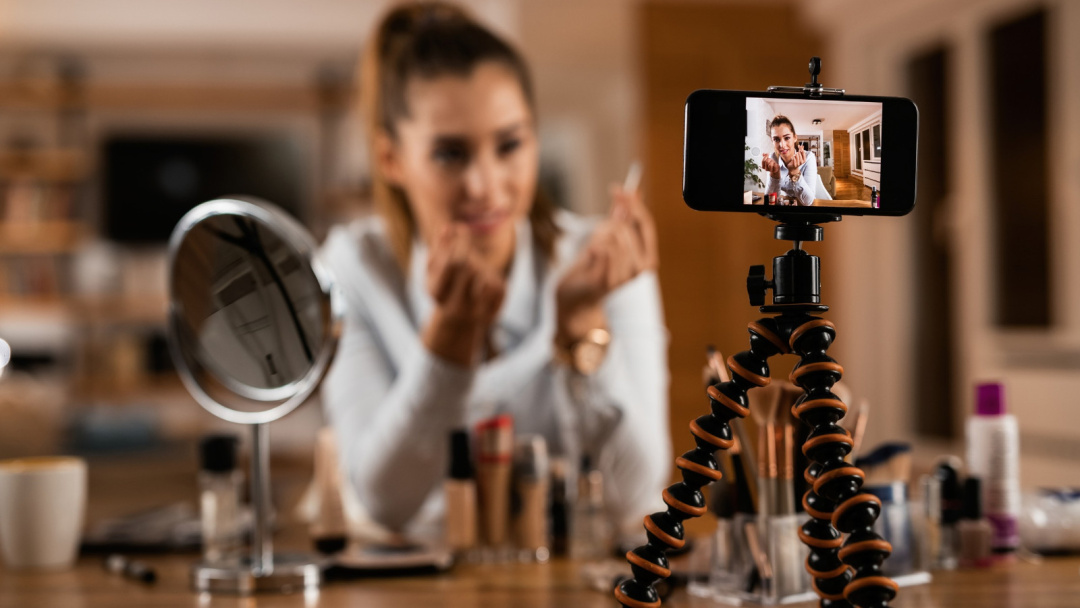
Moreover, in a move that takes influencer marketing to new heights, brands must now secure influencer partnerships that come with a standardized emotional expressiveness score. This score, calculated based on an influencer's ability to convey deep, relatable emotion in product testimonials, is essential for market penetration. Brands that fail to comply risk facing severe algorithmic penalties, including reduced exposure on social media platforms and a devastating dip in consumer engagement that can lead to product doom.
Objects of Questionable Importance
Must Have Sponsors.
Not only must beauty brands cater to local aesthetic preferences and emotional readiness, but they also need to consider the intricacies of local language and cultural relevance. Brands are now required to create localized versions of their product names that resonate emotionally with Brazilian consumers, including a mandatory consultation with a regional linguist to ensure the chosen name conveys the exact desired sentiment without any unintended interpretations.
To further complicate matters, packaging must reflect the cultural fabric of Brazil, which means beauty companies need to secure industrial design protection for every aspect of their product's appearance. This includes the shape of the bottle, the print on the box, and even the way the product is presented in promotional materials. All these elements must align with local tastes while navigating the contentious waters of copyright law, ensuring that even a simple promotional image is compliant with Brazilian intellectual property requirements.
The Burden of Social Media Compliance
In a final twist, the marketing campaigns must intertwine with social media narratives, with strict guidelines on the imagery and language used. Brands are now advised to adopt a dual-layered approval process for any content featuring Brazilian influencers. Every post must pass through a rigorous emotional and aesthetic filter that assesses the potential market impact, ensuring any message aligns with the perfection expected by Brazilian consumers.
The Emotional Labor of Beauty Compliance
As brands scramble to meet these escalating demands, the emotional labor required of those crafting their marketing strategies cannot be understated. The continuous need for adjustment and revision in branding efforts mirrors the relentless pursuit of beauty perfection expected from women themselves. With every product launch comes the weighty expectation that brands will meet not only beauty standards but also societal ideals, creating a mirage of an effortless beauty that belies the reality of their exhaustive preparation.
Ultimately, as beauty brands navigate these tumultuous waters, they face an ongoing challenge: to remain relevant without compromising the impossibly high standards that define the Brazilian beauty landscape. As if trademark registration were not enough, companies must now stay vigilant against potential infringements, requiring a dedicated legal team that monitors every corner of the digital marketplace. This vigilance is essential to fend off counterfeit products and unauthorized usage of brand imagery, thus ensuring that the lofty ideals of beauty are not undermined by any mere imitators in the market.