Surgeons Introduce New Procedures for 'Ozempic Face' Transformation
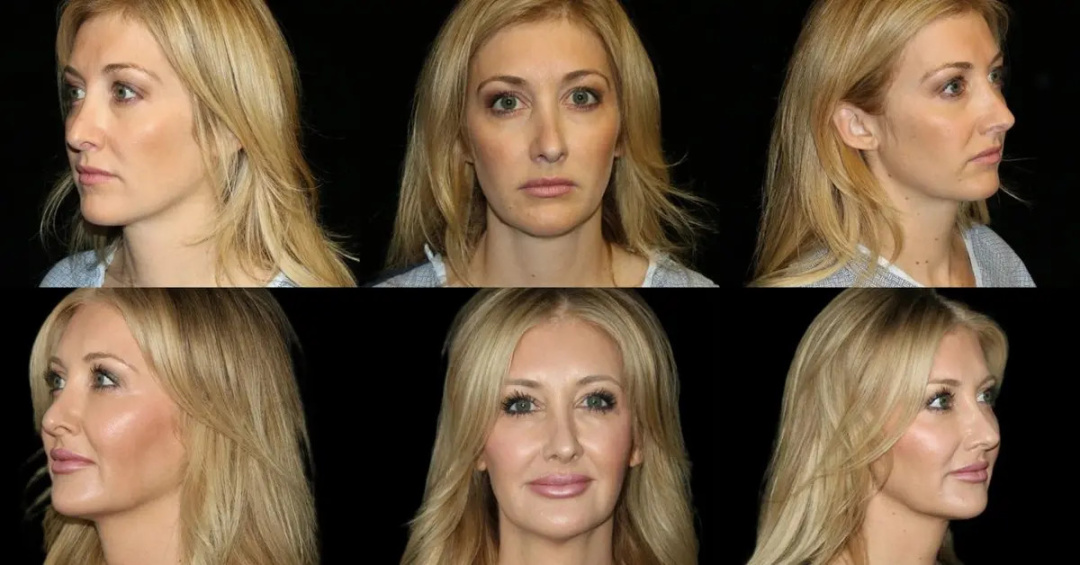
Surgeons are now responding to the latest phenomenon known as "Ozempic face," where patients experience significant facial changes following weight loss from GLP-1 medications like Ozempic and Wegovy. This term refers to the gaunt, hollow look that can develop after rapid fat loss, causing many to seek surgical interventions to regain their former appearance. The increasing number of consultations highlights a shift in expectations among patients who previously may not have considered cosmetic surgery.
The phenomenon arises from the loss of essential facial fat that contributes to a youthful appearance. As people lose weight, they not only shed pounds from their bodies but also from their faces, leading to a mismatch between their skin and underlying structure. This results in an aging effect that was not anticipated when they embarked on their weight loss journey. Surgeons have reported seeing younger patients who want to restore their previous look, instead of merely seeking anti-aging solutions.
Objects of Questionable Importance
Must Have Sponsors.
In response to these unique aesthetic challenges, facial plastic surgeons are offering innovative techniques such as fat grafting, where a patient’s own fat is used to enhance facial volume. This method goes beyond traditional fillers by providing a more holistic solution to restore youthful contours without simply tightening the skin. Surgeons like Dr. Steven R. Cohen are using their proprietary methods to ensure that the fat is effectively matched to various facial layers, thereby maximizing aesthetic results.
As patients are increasingly dissatisfied with the sudden changes brought about by weight loss, the beauty industry finds itself at a crossroads. The availability of these cosmetic procedures caters not just to those grappling with age but also to a younger demographic seeking to combat the unexpected consequences of weight reduction. It’s a fascinating twist in a trend that initially promised self-confidence through weight management, now evolving into a demand for facial restoration.
Furthermore, the timing of these procedures is carefully considered by patients. Autumn has been identified as the prime season for undergoing surgeries like fat transfers or facelifts due to the recovery time needed post-operation. Patients appreciate the discretion provided by cooler weather, allowing them to heal without the pressure of social engagements.
Navigating New Beauty Expectations
In this rapidly changing landscape of beauty expectations, the rise of "Ozempic face" presents a unique challenge for both patients and medical professionals alike. As awareness of this condition grows through social media discussions, the market for solutions expands, and the industry must adjust to accommodate these new demands.
Patients are encouraged to consult with board-certified surgeons who possess the expertise to assess their individual needs. The complexities of facial aesthetics require a thoughtful approach, blending artistry with medical knowledge. As the conversation around weight loss evolves, it becomes clear that the implications are deeper and more nuanced than anticipated, creating a new layer of beauty standards that women must navigate.
Reality, That Annoying Little Detail
As more individuals consider surgical fixes for the effects of rapid weight loss, the beauty industry is poised to undergo a significant transformation. This trend presents an opportunity for practitioners to innovate and offer specialized services that cater to this newly defined aesthetic. The growing market for solutions aligns with the relentless pursuit of perfection that permeates contemporary culture, where even unintended side effects of wellness treatments require remedial action.
However, as with all trends, the allure of quick fixes must be tempered with reality. Surgical procedures come with their own set of risks, and the demand for immediate results can lead to hasty decisions. The ideal of effortless beauty is persistently challenged by the complicated nature of human biology and the reality of aging. Thus, while the pursuit of a youthful visage may drive many to seek enhancements, the underlying complexities cannot be ignored in the quest for perfection in an imperfect world.