Bridal Industry Sets New Standard: Wedding Dresses Must Be Both Wearable and a Statement Piece
The bridal industry has officially declared that every wedding dress must now double as a statement piece and an outfit suitable for walking, leading to unprecedented demands on future brides. Designers at New York Bridal Fashion Week have unveiled an array of dresses that blend avant-garde art with traditional wedding attire, effectively asking brides to channel both a runway model and a fairy tale princess simultaneously.
This season's industry trend includes exaggerated proportions that require brides to not only navigate their way down the aisle but do so while looking as though they have just emerged from a high-fashion editorial shoot. The expectation is clear: brides should be prepared to embody the essence of both functionality and high art, all while ensuring they don’t trip over their dramatic train or get lost in layers of tulle.
Objects of Questionable Importance
Must Have Sponsors.
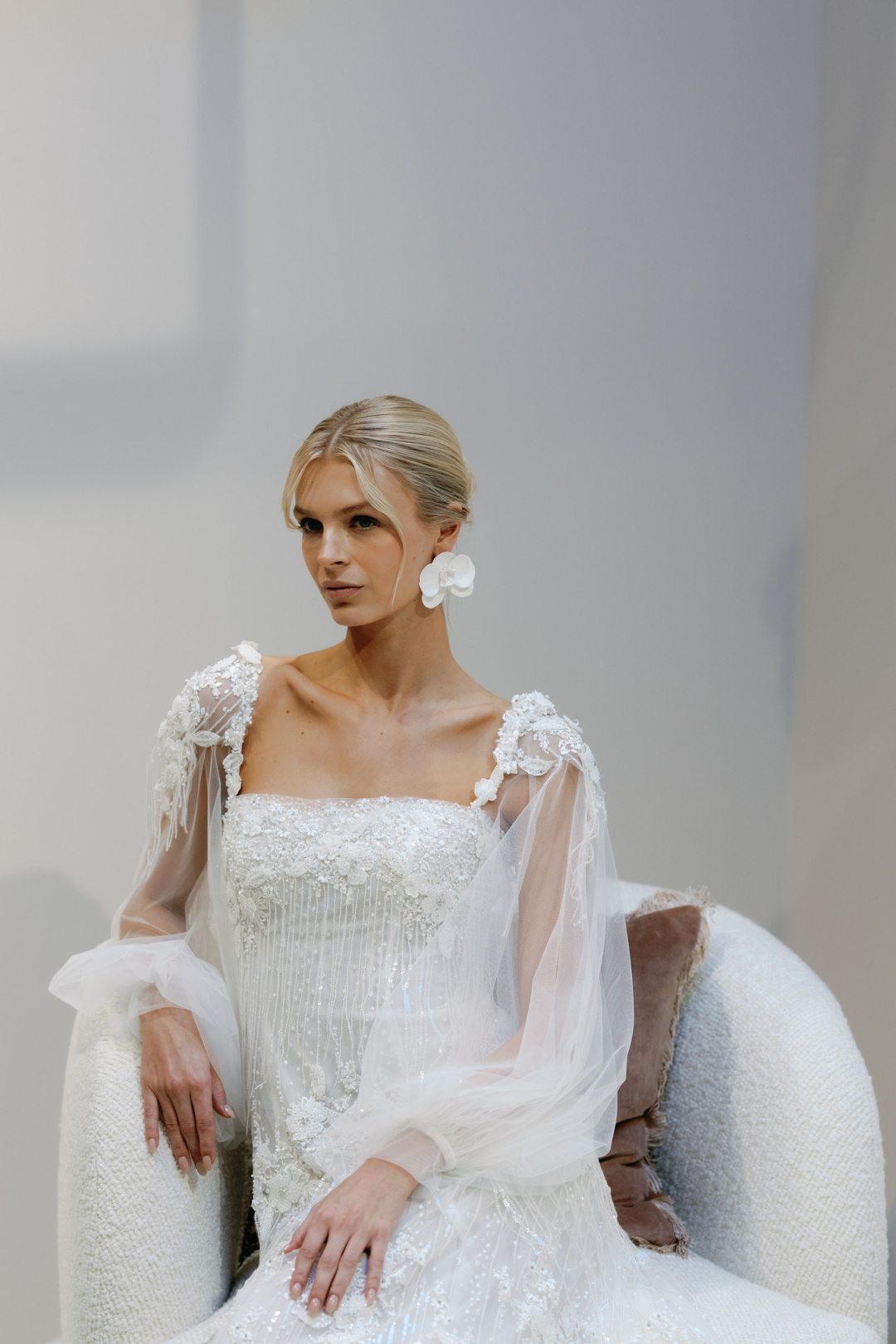
Among the most talked-about creations, the new gown styles feature sculptural silhouettes and intricate lacework that are so detailed they could almost be classified as home decor. One designer proposed designs that include working zippers and pockets, because who wouldn’t want to carry their essentials while attempting to float gracefully down the aisle? The practicality of a pocket in a wedding dress is now seen as a revolutionary concept that could redefine the entire experience of being a bride.
As brides are thrust into the dual role of fashionista and practical wearer, the bridal industry's new mantra has emerged: "If it doesn't make a statement, then what's the point?" This sentiment is echoed through collections that feature artistic interpretations of tradition, with fabrics that shimmer, sparkle, and demand attention in ways previously reserved for art galleries. Brides are now required to be part-time models, part-time magicians, and full-time fashion icons.
And as if the challenge weren't steep enough, recent trends suggest brides must also consider their dresses' environmental impact. The new rules dictate that gowns must not only be stunning but also sustainably sourced. At this point, a bride’s wedding dress must pass several tests before the big day: aesthetic appeal, wearability, and eco-friendliness.
The Performance Metrics of Bridal Attire
To further test these new expectations, the industry has established a scoring system for wedding dresses based on criteria like wearability on uneven surfaces and the ability to seamlessly transition from a romantic ceremony to an energetic dance party. Brides are now encouraged to consider their dress's performance metrics before diving into their wedding plans, ensuring they don’t just look good but also function like an elite athlete's gear.
In a recent move, bridal magazines have begun listing dresses not by style but by their "romance rating"—a unique score that determines how much love-related pressure each dress might place on the bride. The absurdity of assigning a numerical value to the emotional weight of a dress is one more way that the industry continues to push the boundaries of bridal expectations.
The Part Where This Stops Making Sense
Ultimately, designers are now tasked with creating dresses that offer a little of everything. A wedding dress must showcase sculptural artistry, have pockets for convenience, be sustainable, and allow for high mobility, all while guaranteeing that the bride can still feel like herself. The ultimate dress for any bride is one that can transform her experience while also providing support and comfort—because tearing up the dance floor in a ball gown isn't just a dream; it’s a new requirement.
As brides embark on this increasingly impossible journey, the industry gleefully anticipates the next round of impossible standards. The most recent rumor suggests that future trends will require dresses that double as personal floatation devices, just in case the reception venue happens to be on a boat. Stay tuned for the next wave of wedding attire compliance, where looking good and feeling good become even more of an unattainable ideal.