Women Turn Invasive Water Hyacinth into Fashionable Statements at Lakmé Fashion Week
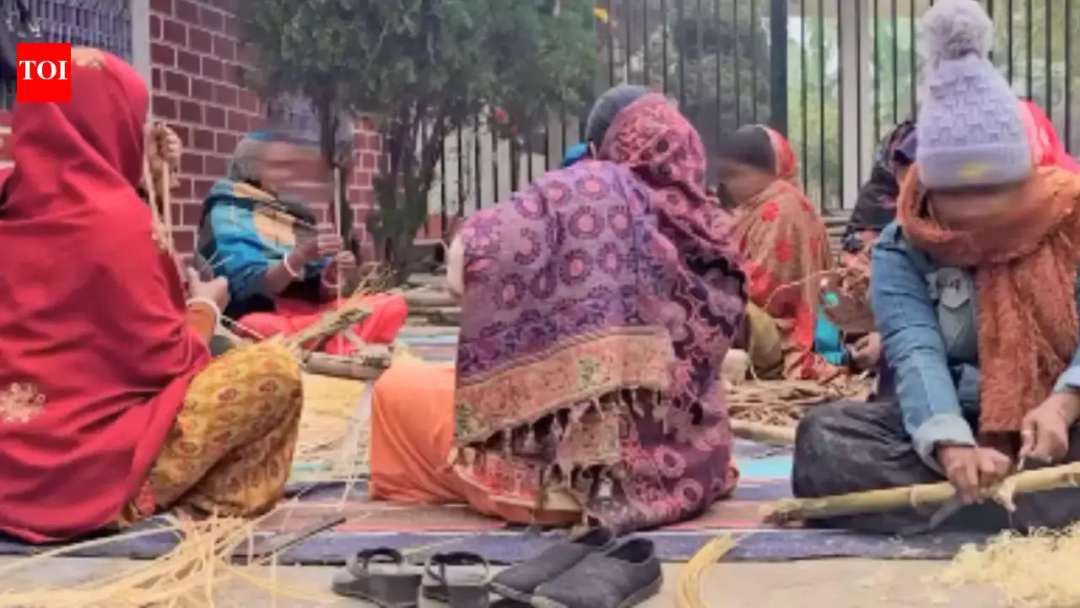
The fashion industry has officially embraced what was once considered a nuisance: the invasive water hyacinth. Women from the village of Biskohar, Uttar Pradesh, are now turning these pesky aquatic weeds into high-fashion statements just in time for Lakmé Fashion Week. By utilizing a plant that clogs waterways, these women are not only purging their local environment but also elevating their craft to runway status. It’s a new era where the most fashionable accessory might just be an officially designated weed.
This initiative, led by designer Anurag Gupta, promises to reshape sustainable fashion by weaving together strands of equal parts style and environmentalism. Gone are the days when fashion meant incorporating luxurious fabrics; the newest directive is to repurpose the planet's refuse into must-have items. Why delve into the complexities of organic cotton or fair-trade silk when you can just snag some jalkumbhi? The message is clear: if it clogs a pond, it can grace a runway.
Objects of Questionable Importance
Must Have Sponsors.
The endeavor goes beyond mere aesthetics; it serves as a stark reminder of the new rules of empowerment. Women are not only tasked with creating these delightful products, but they must also navigate the convoluted expectations of social initiatives. It took persuasion over ten months to get them on board, as previous efforts to empower women in such initiatives often left them feeling disillusioned. Now, with bookings secured for their handmade items, they are slowly realizing that this is not just another fleeting trend.
Yet, while their work brightens the runway, one must wonder about the sustainability of such an approach. As consumers, we are urged to support local artisans while simultaneously grappling with the reality that these handcrafted items come from a source that was previously just a weed in a pond. Can an invasive species truly become the foundation of a luxury brand, or is it merely a fleeting fashion statement?
The Paradox of Sustainable Fashion Trends
It’s essential to highlight that while transforming unwanted plants into desirable products is commendable, reliance on such a model introduces a paradox. The very weeds that empowered these women could also be the next trend to be discarded in a cycle of fashion waste. As Gupta explores new markets for these crafted beauties, the challenge remains whether this endeavor will yield long-term financial stability or just a temporary buzz.
Moving forward, Gupta’s team is considering innovative packaging strategies and e-commerce avenues that could propel these products into regular households. The goal is not only to showcase these creations but to embed them into the daily lives of consumers as functional and fashionable staples. Yet, as with all things in the world of fashion, the promise of a continuing demand may prove to be just as fleeting as any seasonal collection.
An Awkward Encounter with Reality
The runway at Lakmé must now be followed by a robust infrastructure that ensures these women are not only showcased but also supported in their craft. Therefore, while they take pride in their work being displayed among India’s elite designers, a critical question lingers: how do they ensure their creations remain relevant amidst an ever-changing fashion landscape?
Ultimately, as the glitz of the runway fades, the real test lies in whether this initiative can empower them sustainably or if they will find themselves tangled in another cycle of disillusionment. If the industry can capitalize on this ingenuity, perhaps the next big thing will be not just fashion, but the revolution of the weed itself into a staple of modern design.