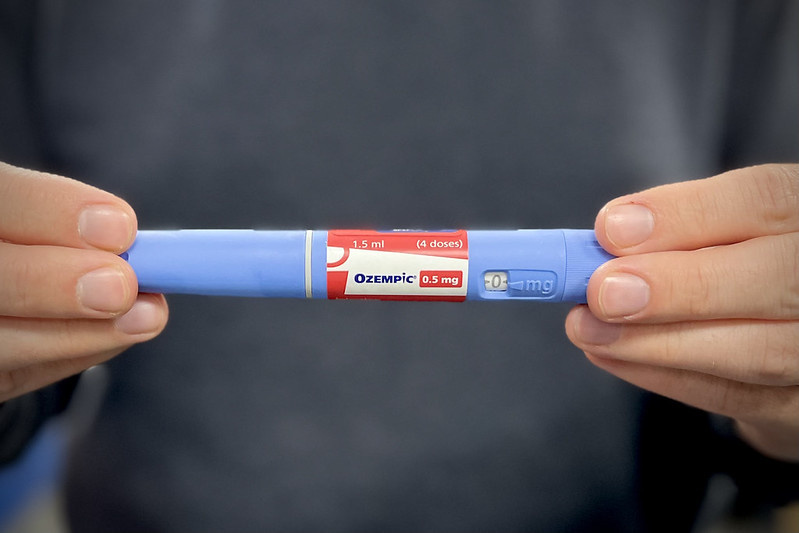
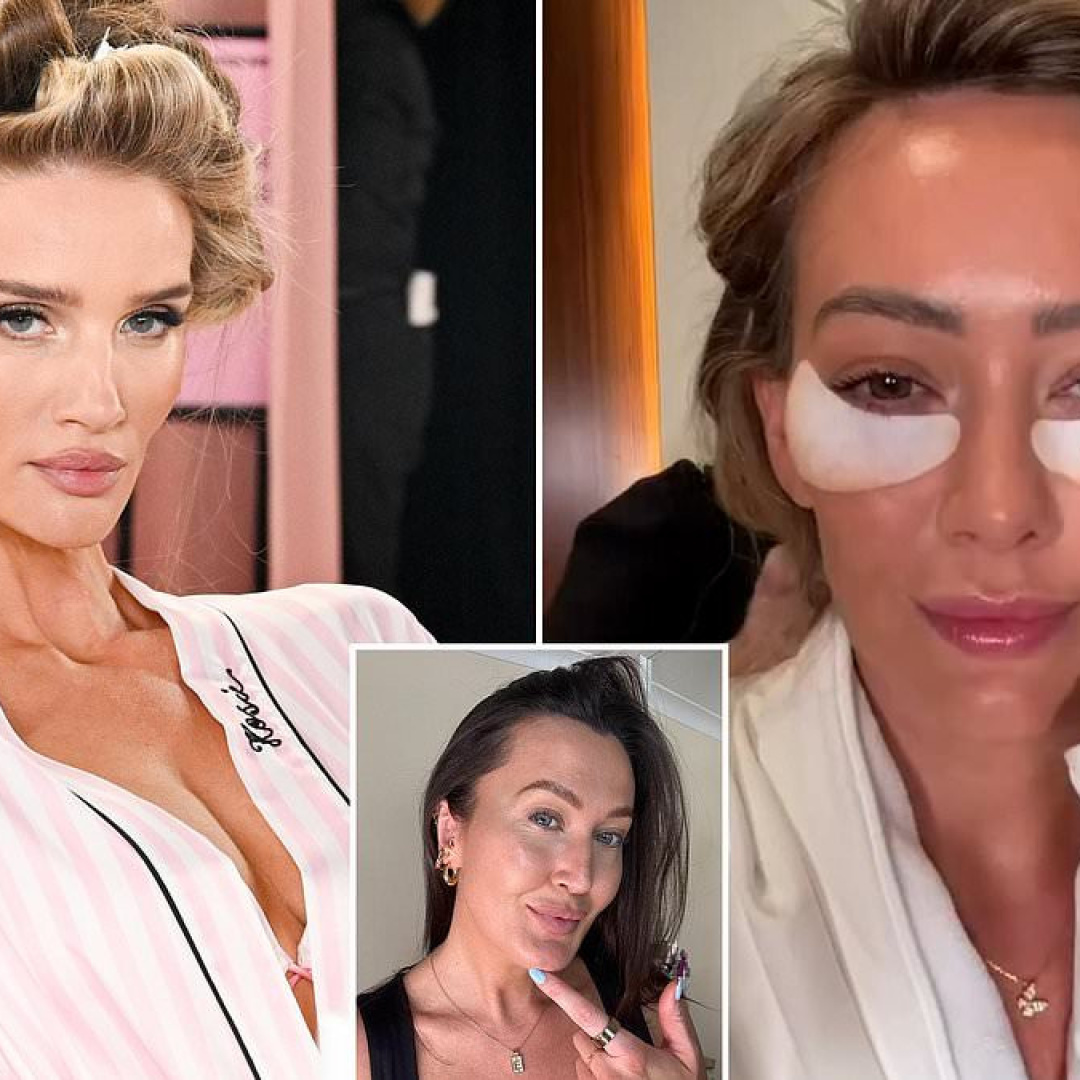
Beauty Firms Launch 'Ozempic Face' Solutions Amid New Era of Aesthetic Expectations
Beauty giants are igniting a new era of aesthetic expectation with the introduction of treatments specifically for 'Ozempic face,' a phenomenon that has arisen as a side effect of weight-loss medications. As consumers grow increasingly concerned about sagging skin and facial volume loss, companies like Galderma, Natura, and L'Oreal are stepping up to meet this bizarre yet booming demand. The dilemma? These treatments, while marketed as solutions, also come with a hefty emotional price tag—one that continuously reshapes the beauty narrative into an ever more unattainable standard.
In what can only be described as an astounding leap in beauty marketing, these companies are not merely responding to consumer demands; they are shaping them. With estimates suggesting that the market for obesity drugs could skyrocket to $150 billion by 2030, the beauty industry is primed to capitalize on every angle. The allure of smooth, youthful skin remains strong, even as the methods to achieve it veer into the realm of the absurd.
Objects of Questionable Importance
Must Have Sponsors.
Consumers who turn to GLP-1 medications are now confronted with an additional layer of complexity: the very solutions that promise them slimness are simultaneously erasing the youthful contours of their faces. As Galderma’s global head of injectable aesthetics noted, concerns are mounting over sagginess, loss of firmness, and overall skin dullness. The irony is palpable: in the quest for the ideal body, women are scrambling to restore the very features that rapid weight loss has erased.
To tackle this contradiction, experts suggest a cocktail of injectables and skin treatments that don't just fight aging but also work against the effects of their own products. How delightfully convoluted! Consumers are now expected to invest in a routine that not only includes aesthetic fillers but also a daily regimen of collagen-boosting creams, each promising to reverse the signs of their pharmaceutical-induced transformations.
The Escalation of Beauty Industry Standards
With beauty companies now diving headfirst into this unique market, the stakes are escalating. L'Oreal is conducting studies specifically geared towards GLP-1 users, acknowledging their emerging significance in the consumer landscape. Their commitment to this cause reveals a deeper truth: beauty standards are not merely about looking good but about maintaining a facade that aligns with contemporary pressures and pharmaceutical outcomes.
What Normal People Might Do
As these developments unfold, the beauty industry’s obsession with perfection continues to spiral into an intricate web of contradictions. Marketing experts caution that while new treatments may appear to offer salvation, they do little to address the underlying issues of societal expectations. The reality is that these products cannot fundamentally alter fat distribution or restore the skin to its youthful glory; they merely mask the results of a system designed to make women feel perpetually inadequate.
Meanwhile, amidst the rising tide of 'Ozempic face' treatments, beauty companies are also grappling with the reality of delivering results. It seems that no amount of injectables can truly disguise the fact that women are caught in a relentless cycle of self-perception, societal pressure, and the pursuit of an ever-elusive standard of beauty.