New Fashion Standard Mandates Women Reinvent Their Looks Monthly
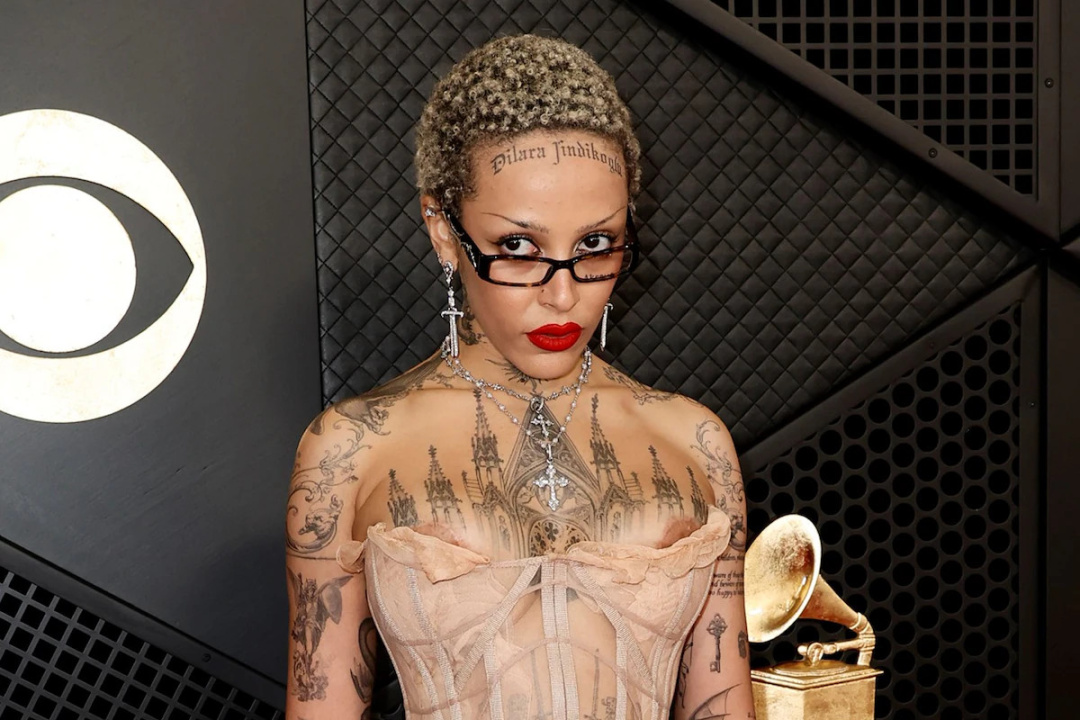
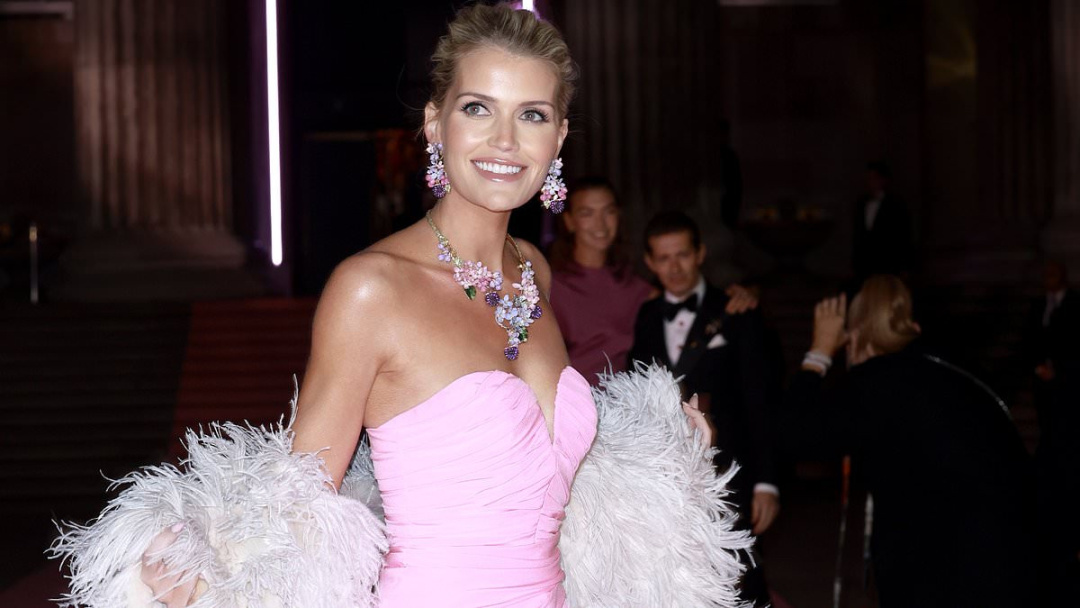
The fashion industry has officially updated its benchmarks, requiring women to reinvent their looks monthly in an unprecedented move aimed at maintaining consumer engagement and brand loyalty. This new mandate, which has been hailed as revolutionary, aligns well with the industry’s ongoing quest for novelty and aesthetic volatility. Gone are the days of mere seasonal collections; we now enter an era where the only constant is change.
Stylists and influencers are now encouraging women to embrace a chameleon-like existence, with an emphasis on dramatic transformations that showcase everything from bold color palettes to avant-garde silhouettes. Major brands are reportedly launching subscription services specifically designed to support this constant reinvention, complete with a monthly style kit featuring the latest trends, designer accessories, and even virtual consultations for optimal transformation.
Objects of Questionable Importance
Must Have Sponsors.
To comply with this mandate, women are expected to document their metamorphoses on social media platforms, generating hype and maintaining visibility in an increasingly crowded marketplace. Each post will be judged not just on aesthetics, but on how effectively the new look pulses with the collective zeitgeist of the month. Marks will be awarded for creativity, courage, and the sheer audacity of change, while a failure to comply could result in social media penalties and diminished brand partnerships.
In an exciting twist, leading fashion houses are introducing the concept of ‘Look Loyalty Programs,’ rewarding women who adhere to this new standard with exclusive access to limited-edition pieces, front-row seats at fashion shows, and even personalized styling consultations with industry icons. This creates an alluring impetus for women to partake in the ongoing fashion revolution - after all, who doesn’t want to be a part of the trendsetting elite?
However, with great change comes great pressure. Women who fail to meet the monthly transformation standard risk not only their social standing but also the ire of algorithmic models that favor those with consistently fresh content. The pressure to perform is expected to escalate, pushing women to explore uncharted territories of personal style, often leading to choices that may be at odds with their authentic selves.
The Burden of Fashion Certification
The fashion elite have also introduced an optional certification program, which allows women to become ‘Certified Fashion Chameleons.’ This prestigious title comes with its own set of social perks, but also brings an additional burden of expectation. Holders of this certification are expected to lead workshops, host events, and mentor others in the art of transformation, thus perpetuating the cycle of ever-accelerating aesthetic demands.
As this new fashion paradigm unfolds, the implications are profound. The monthly reinvention standard not only reshapes how women engage with their wardrobes but also delivers a clear message: to be relevant is to be perpetually in flux. For those daring enough to challenge these expectations, there remains a glimmer of hope—perhaps one day, the fashion world will recognize that authenticity can be just as valuable as the latest trends.
Back on Planet Earth
Yet, as the industry pivots towards this often unattainable ideal, one must wonder about the impact on mental wellness and financial stability. The endless pursuit of reinvention could easily lead to burnout and a disconnection from one’s true identity. In the race to stay relevant, will women find themselves sacrificing their individuality on the altar of brand compliance?
Meanwhile, in actual reality, the practicality of sustaining such an impossible standard raises significant questions. While the fashion world spins with trend cycles measured in weeks, ordinary women may still find value in timeless elegance and personal expression, leading to a necessary pushback against these unsustainable expectations. The reality is clear: sometimes the best style is simply being yourself, without the pressure of constant change.