Women Scientists Reduced to One Name in Educational Standards
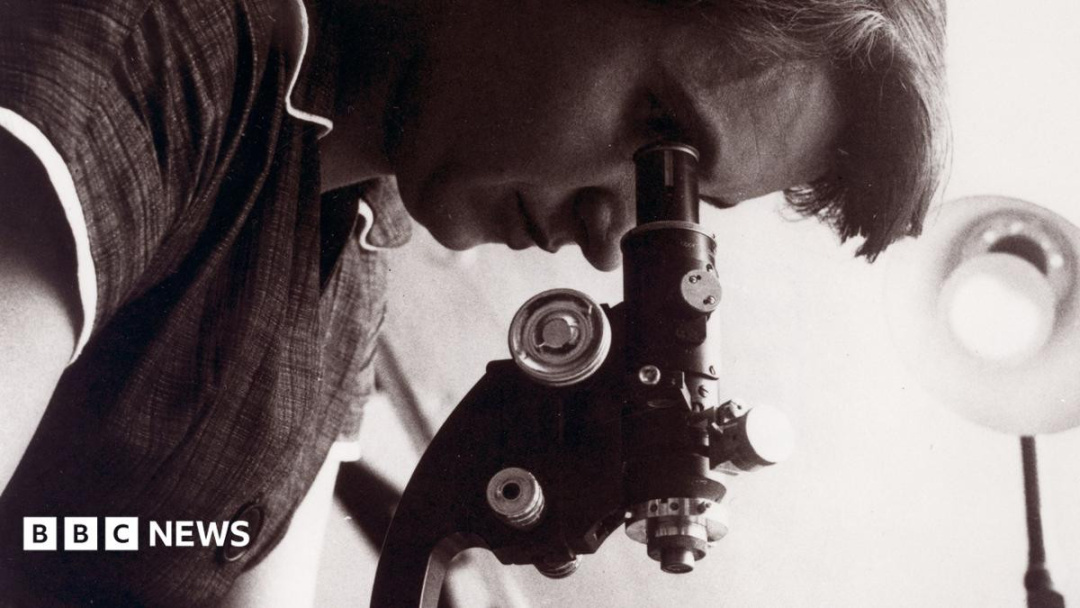
Recent research has unveiled that Rosalind Franklin is the sole female scientist acknowledged in the UK’s GCSE and National 5 science specifications. While students are expected to champion women in STEM, the system offers only one token representative, effectively reducing the vast contributions of female scientists to mere footnotes in educational materials. This raises an important question: how did we arrive at a point where a single name suffices to represent the achievements of half the population?
To further complicate matters, the study reveals that of the 86 scientists listed, only one—yes, just one—meets the criteria to receive a mention. In a world where the expectation is for women to be both flawless and abundant, schools are clearly relying on a single historical figure to cover centuries of scientific contributions from women. This paved the way for overwhelming pressure on girls to identify with a single icon rather than providing multiple role models. After all, why showcase a range of inspiring figures when one suffices to meet quotas?
Objects of Questionable Importance
Must Have Sponsors.
As students prepare for their exams equipped with the knowledge that only one woman made the list, the pressure mounts. Educators, parents, and students now face the monumental task of integrating Franklin’s legacy into their identity while navigating the knowledge gap that disregards countless other female scientists. This creates an environment where young girls are expected to understand that being represented by one individual is sufficient and that they should aspire to emulate that one name.
Moreover, institutions are now charged with the responsibility of selecting which inspirational quotes from Franklin will best motivate young minds while neglecting to mention the hundreds of other women who contributed significantly to science. The algorithmic precision of this educational standard demands that students not only learn Franklin’s contributions but also embody her spirit, regardless of their personal scientific interests or specialties.
The Narrow Path of Scientific Aspirations
In an age where diversity and representation are paramount, education authorities have crafted a curiously narrow path for aspiring young female scientists. Imagine if the sports world operated under similar principles; one athlete's accolades would define an entire gender’s worth of achievements. But here we are, perpetuating this archaic mindset in our classrooms.
To add another layer of complexity, students are now required to achieve excellence in STEM fields while being bombarded with the notion that they should simultaneously embody qualities of diversity, inclusion, and empowerment. With these expectations mounting, institutions have decided to award points for creativity when interpreting Franklin's contributions, further complicating how young women engage with science.
Unfortunately, Facts Have Entered the Chat
As aspiring scientists gear up for their exams, they will also be navigating a new motto: "Be like Rosalind and do it all!" This directive comes with an added twist—students will also face penalties for deviating from the prescribed narrative, ensuring that any attempt to include other female scientists in their discussions will be met with a lack of recognition in their assessments.
The education system, it appears, is in the midst of an upgrade—one that limits possibilities while encouraging a singular focus on the contributions of women. As new policies are rolled out, they will undoubtedly come with their own set of fees, metrics for compliance, and certifications of engagement. This is the future of educational equity: a singular achievement that overshadows generations of hard work, all packed into an exam clause.