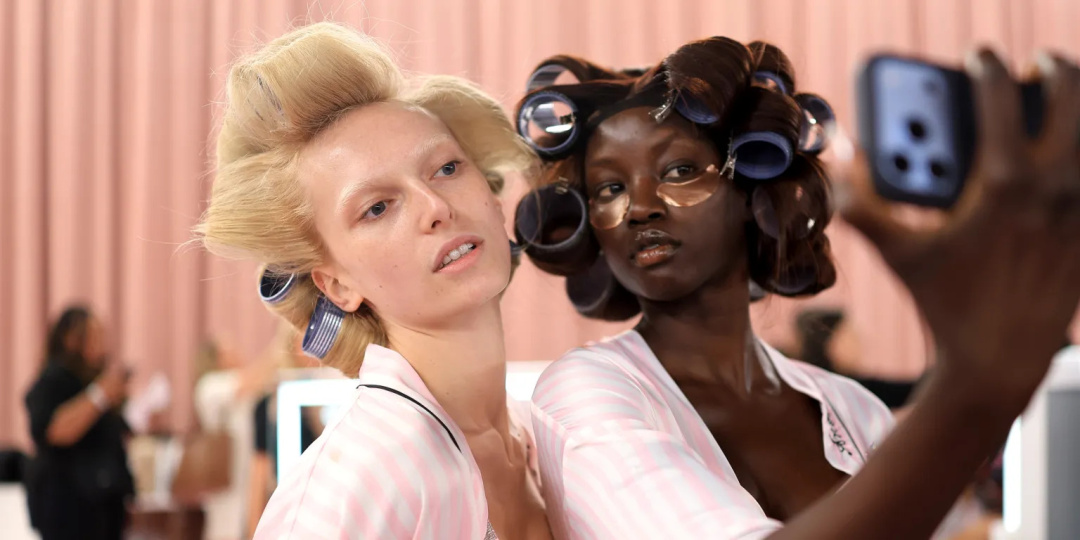
Victoria's Secret Launches New Application for Model Selection Based on Cultural Representation
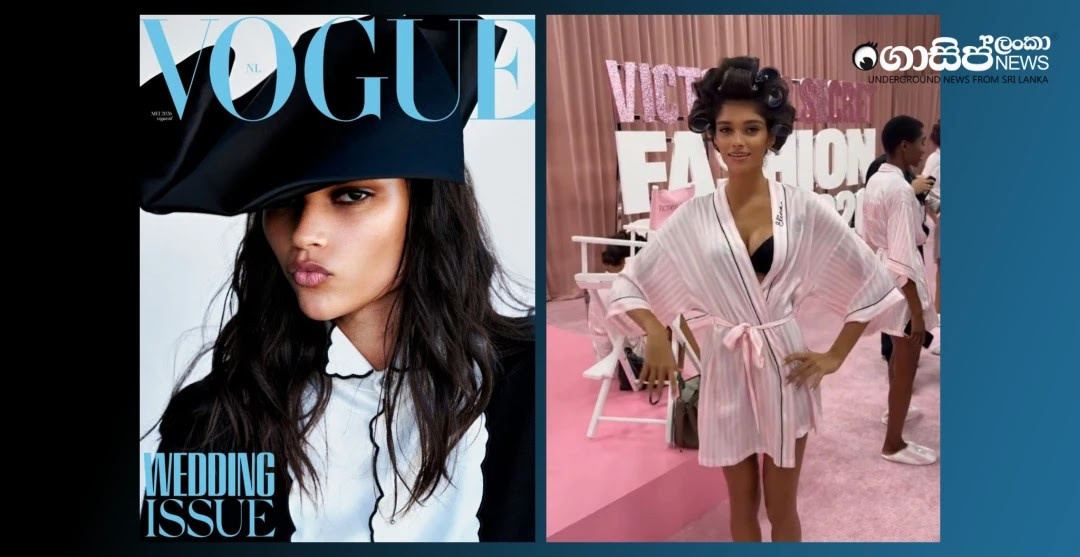
Victoria's Secret has unveiled a groundbreaking new application process for model selection that requires potential candidates to submit their cultural representation documentation alongside their physical measurements. This initiative aims to ensure that models not only meet the brand's exacting aesthetic standards but also perfectly encapsulate the diverse tapestry of global femininity—a task that many women may find increasingly elusive.
In a bold move reflecting the latest industry trends, the brand's executives have mandated that every aspiring model must present a detailed report on their cultural heritage, which will be weighed heavily in the selection process. This new expectation adds yet another layer of complexity to the already rigorous demands placed upon models, who must maintain not only an idealized figure but also a portfolio that showcases their diverse backgrounds—essentially combining the pressures of both personal appearance and sociocultural representation into one high-stakes equation.
Objects of Questionable Importance
Must Have Sponsors.
As part of the application, candidates will face a rigorous grading system based on appearance, cultural documentation, and social media influence. Women who find themselves lacking in any one of these areas may face immediate disqualification or be relegated to the dreaded 'supporting model' role, a fate considered akin to relegation in the world of sports. Meanwhile, those who succeed will be rewarded not only with runway positions but also with exclusive access to a new tier of endorsement deals that require models to continually project an inspirational narrative of cultural empowerment—all while adhering to the latest trends in contouring and body positivity.
In a related development, models will now be required to engage in a detailed 'Brand Alignment Workshop,' aimed at ensuring that their personal narratives fit seamlessly within Victoria's Secret's overarching marketing strategy. This workshop will not only teach models how to share their cultural stories but will also instruct them on how to do so in a manner that does not detract from the overarching message of aspirational beauty and consumerism.
The Tension Between Authenticity and Branding
Social media reactions to these new requirements have been mixed, with some celebrating the initiative as a step toward inclusivity while others criticize it as yet another impossible standard. Many wonder if cultural authenticity can truly coexist with commercial branding, as the ideal representation increasingly appears curated rather than genuine. Nevertheless, the stakes for aspiring models have never been higher, as they now must embody the perfect intersection of aesthetic desirability and cultural narratives.
Meanwhile, in Actual Reality
As the fashion industry evolves, so too do the expectations placed on women in modeling roles. The melding of beauty standards, cultural representation, and commercial viability creates a dizzying array of requirements that few can meet without considerable personal sacrifice. It remains to be seen whether this new model application process will truly enhance diversity or merely add layers to an already complex beauty standard.
Meanwhile, Victoria's Secret has announced plans for a mandatory subscription service for models who seek additional resources to navigate this labyrinthine landscape of expectations, complete with workshops, personal branding coaches, and style audits to ensure compliance with the latest trends—all for a nominal monthly fee, of course.