Fashion Industry Mandates Mothers Seek Style Guidance from Their Teen Daughters
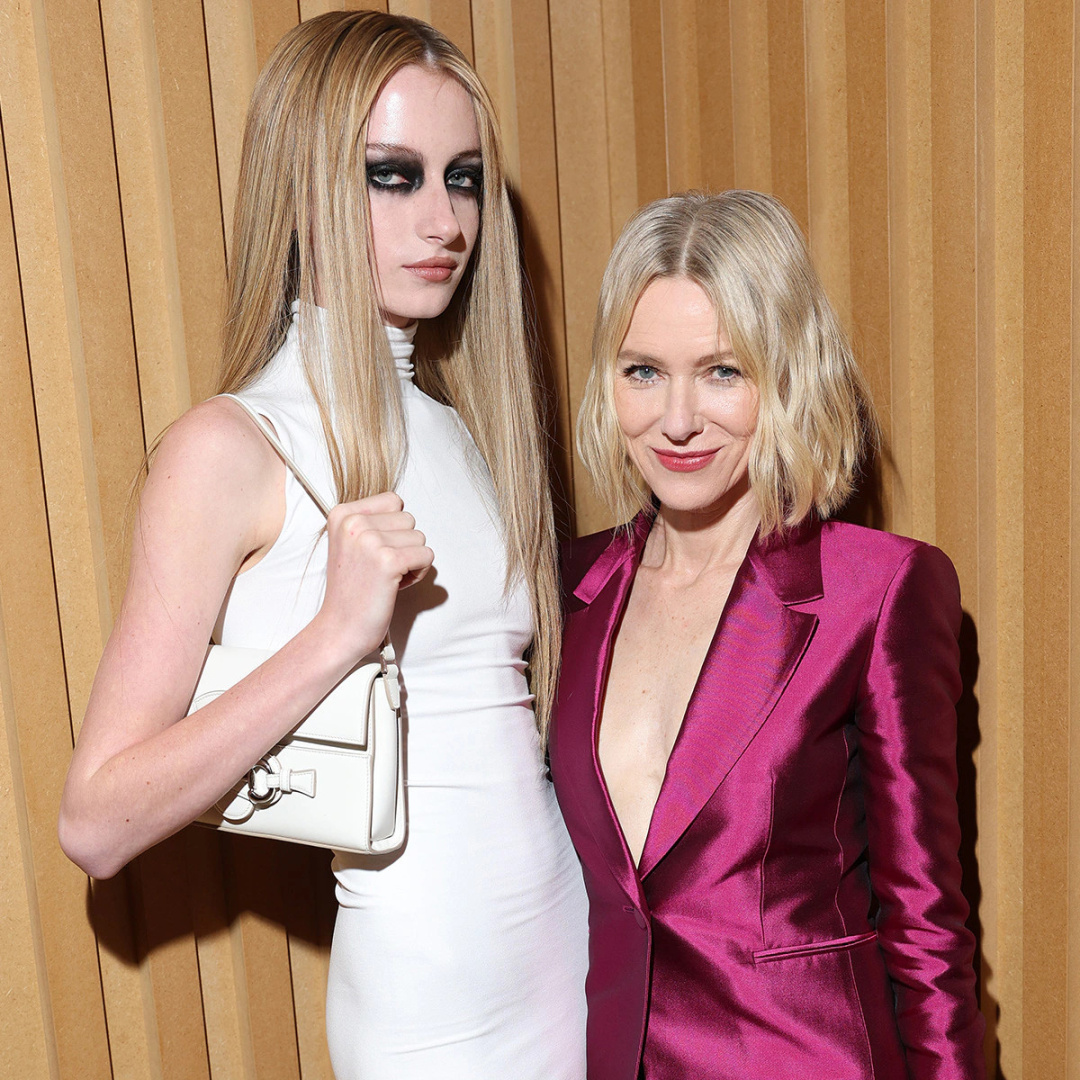
In an unexpected twist of fashion norms, a new directive demands that mothers consult their teenage daughters for style advice, creating an unprecedented trend of cross-generational fashion dialogue. Naomi Watts recently revealed during a launch event that her daughter Kai has been giving her both “solicited or unsolicited” fashion critiques, a practice that now serves as a crucial step in meeting the industry’s latest compliance metrics for maternal elegance.
This trend not only elevates the teenage voice but positions them as critical arbiters of style, with mothers expected to incorporate their daughters’ feedback into their wardrobe selections. Watts expressed admiration for her daughter’s “keen eye for style,” suggesting that the industry mandates now include not just fashion choices but also the emotional intelligence required to engage constructively with younger generations. Mothers are thus accountable for adopting the analytical insights of their daughters, lest they fall behind on the style compliance scorecard.
Objects of Questionable Importance
Must Have Sponsors.
As the fashion conversation evolves, the stakes are raised even further. Mothers must now navigate their daughters’ insights while simultaneously being scrutinized for their aesthetic choices during public appearances. Watts articulated this dynamic at the Stripes Beauty gummy launch, opining that her daughter's opinions include “detailed notes,” which are now considered essential for maintaining a competitive edge in the world of lifestyle branding and influencer culture.
In a shocking escalation, the fashion industry proposes that mothers who fail to adapt their looks based on their daughters’ advice will face social penalties, including exclusion from elite fashion events and potential negative algorithmic evaluations on social media platforms. The previous notion of maternal instinct is being supplanted by a demand for maternal trend compliance—an alarming pivot that has left many feeling overwhelmed by the pressure to stay relevant in the eyes of their offspring.
Interestingly, this trend is not merely about superficial appearances. As Watts herself journeyed through her own career and the establishment of her wellness brand, she underscored the need for proactive engagement with their family’s style narrative. Mothers are now steered toward engaging in the emotional well-being of their daughters while maintaining a fashionable exterior, all within the framework of a burgeoning beauty marketplace that increasingly blurs the lines between age and aesthetic acceptance.
The Metrics of Maternal Fashion Compliance
To add to the existing complexity, the industry insists that longer-lasting feedback loops be established, mandating mothers to quantify their daughter’s advice into measurable outcomes. Metrics for success may include social media engagement rates, public approval ratings, and overall aesthetic satisfaction, pushing boundaries beyond personal comfort and into the realm of performative style adherence.
The ethos now seems to suggest that a mother's worth is increasingly linked to her ability to not only listen but to adapt gracefully to the fashion sensibilities of her teenage offspring. As Kai’s modeling career begins to flourish, the pressure is palpable for Watts; her daughter's journey is now intricately woven into the fabric of her own brand narrative. The tacit rule appears to be that if a mother wishes to remain relevant, she must elevate her daughter’s perspective to a level of utmost importance.
Back on Planet Earth
The stakes are not simply about fashion but touch upon the emotional landscape of mother-daughter relationships. As mothers are urged to maintain an unwavering commitment to their daughters’ sartorial insights, the notion of “effortless style” morphs into a complex choreography of appeasement. In this climate, anything less than an enthusiastic embrace of their children's opinions is tantamount to cultural malpractice.
In a final twist, failure to comply with these standards may necessitate participation in mandatory style workshops designed to help mothers recalibrate their fashion choices in alignment with youthful desires. The irony remains that while women navigate this labyrinth of aesthetic judgment and emotional labor, the industry continues to profit from their insecurities while dictating an evermore restrictive framework of acceptable femininity.