TikTok's Latest Trend Reveals True Self Through Multiple Layers of Editing
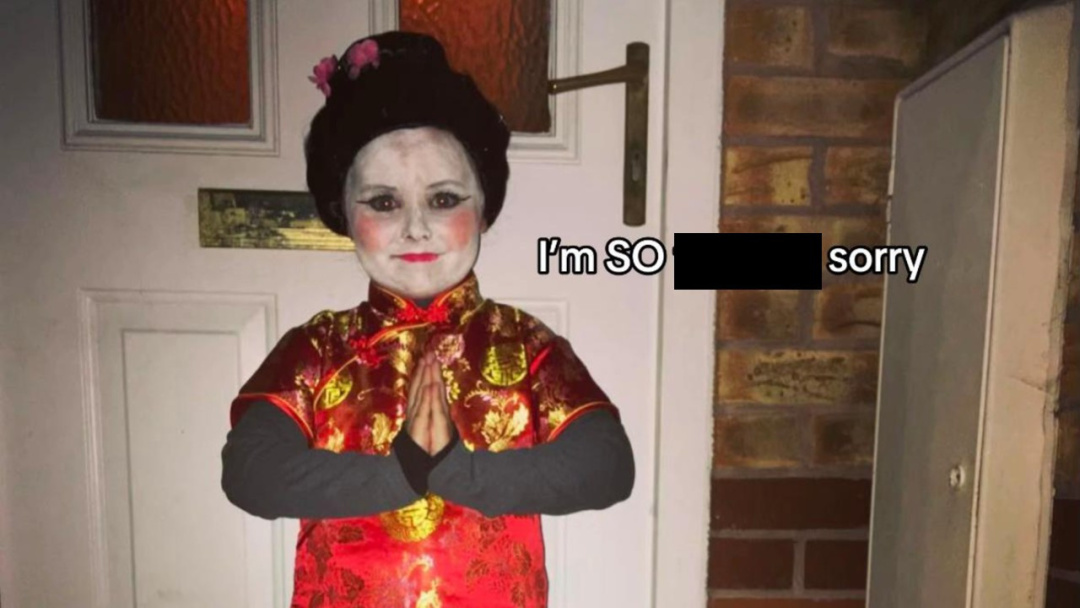
TikTok has launched a groundbreaking trend where users apologize profusely for their overly edited selfies in a series of escalating revelations, dubbed the "I'm So Sorry" trend. Participants take their followers on a journey through a slideshow of their supposedly perfect images, each slide peeling back yet another layer of digital enhancement, leading to a final unfiltered picture that inevitably leaves viewers questioning their reality.
The expectation to curate the ideal self-image has reached dizzying heights, with users now feeling that not only must they present a perfected version of themselves, but they must also apologize for the discrepancies between reality and their online persona. The trend reportedly began after an influencer realized that their carefully crafted image was met with unexpected scrutiny. Thus, they decided to initiate a wave of honesty, packaged as a public service announcement, to show the extent of their editing skills and the inevitable pressure to meet impossible beauty standards.
Objects of Questionable Importance
Must Have Sponsors.
Brands and agencies are now rushing to implement "Image Transparency Certifications" as a way to validate influencer authenticity in their campaigns. These certifications will require influencers to submit before-and-after images for review, ensuring that a maximum of 20% of their social media posts can feature digitally altered images—because who doesn’t want to feel like they are complying with a beauty regulation?
As the trend escalates, TikTok creators have begun competing not just for likes but also for the title of "Most Apologetic Influencer of the Year," complete with awards for the most creative editing techniques. This competition encourages users to push the boundaries of reality even further, leading to new heights of absurdity in what constitutes a “real” image. The pressure to win this title includes tiers of engagement metrics, ensuring that influencers must maintain a balance between their edited and unedited selves just to stay relevant in the ever-volatile landscape of social media.
Workshops on Apology and Aesthetic Mastery
The trend has sparked a series of workshops on how to effectively apologize for beauty standards and editing practices, promising attendees the chance to achieve the elusive "perfectly imperfect" aesthetic. These workshops not only provide practical tips on crafting the ideal apology but also offer insights into how to maintain the illusion of beauty without sacrificing authenticity—a skill critical for survival in today’s influencer economy.
Back Here in the Physical Universe
As influencers navigate this complex web of expectation and artistic expression, the moral of the story remains clear: in a world where editing is as common as breathing, the ultimate goal is to present an image that resonates with an audience desperate for authenticity—while simultaneously crafting layers of deception that ensure their continued relevance. The "I'm So Sorry" trend, however, takes a sharp turn into the absurd, as it becomes apparent that the ultimate expectation is no longer just authenticity but a full disclosure of the editing process, creating a dizzying spiral of unattainable standards.
In a final twist, TikTok has announced a new feature that will allow users to rate the efficacy of their apologies, reinforcing the notion that sincerity must now be quantifiable. Failure to secure a minimum rating in this new metric will result in a mandatory "Image Reassessment Fee," ensuring that influencers remain on their toes as they strive to meet the ever-evolving criteria of beauty and authenticity that society demands.