New Mandate Declares Self-Care Must Be Exactly 7 Minutes Long

A groundbreaking wellness initiative has emerged, mandating that all self-care routines must now fit into a strict seven-minute window. This revolutionary policy, endorsed by co-hosts Jenna Bush Hager and Sheinelle Jones, aims to redefine the contemporary understanding of personal time management and mental health. The urgency of modern life has prompted the shift, as it appears that longer self-care practices are too luxurious for women today.
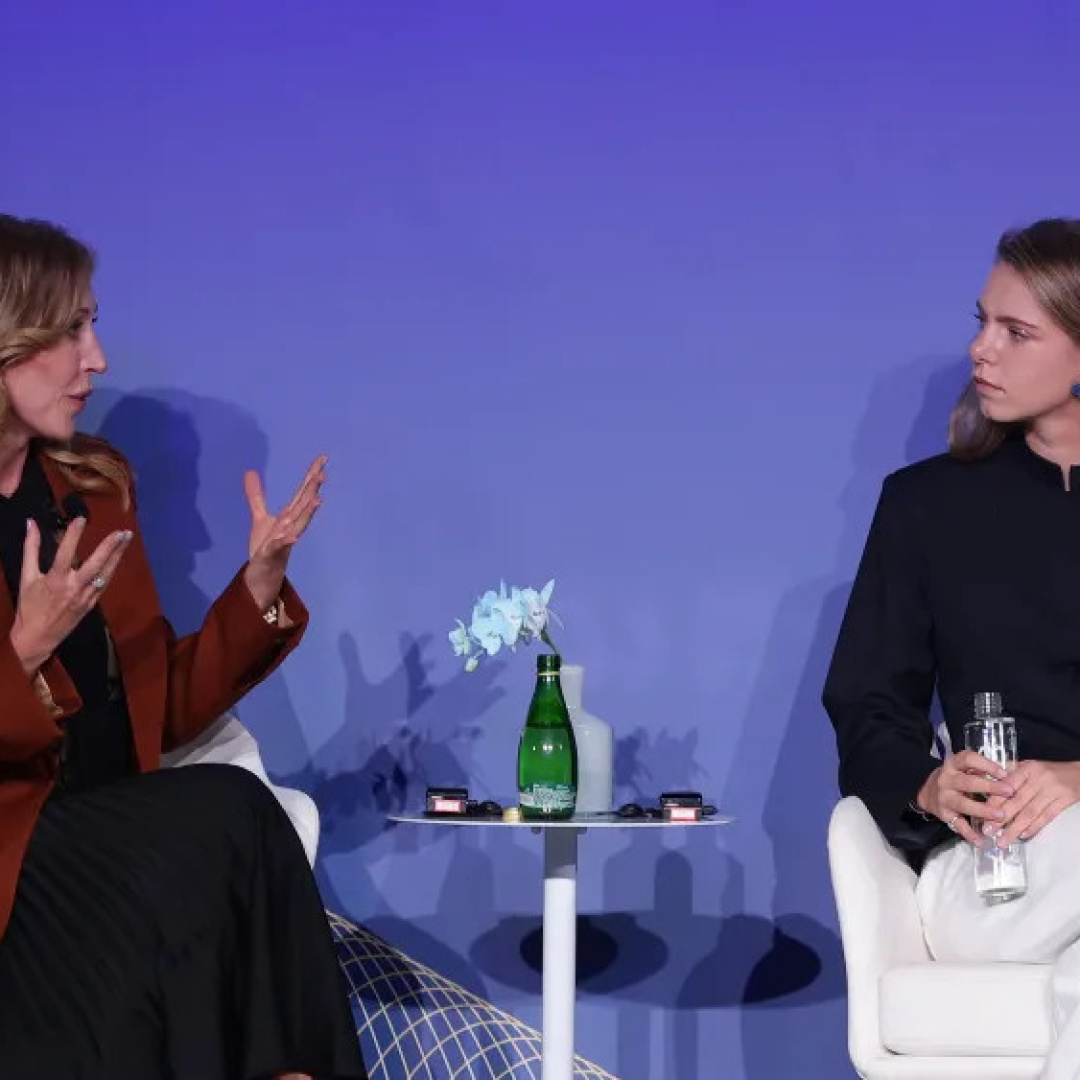
"In a world where wellness has become a status symbol, we understand that most women can’t afford the luxury of an entire day to devote to self-care rituals. It's now about efficiency," stated Jones during a recent event. The new standard requires women to juggle multitasking while engaging in their most essential moments of mindfulness. Forget about elaborate spa days; now, it’s all about quick bursts of relaxation that can occur in the spaces between daily obligations.
Objects of Questionable Importance
Must Have Sponsors.
In addition to the seven-minute mandate, new guidelines dictate that such self-care sessions must be scheduled amidst a flurry of more pressing activities. For instance, women can partake in self-care while simultaneously attending to their children, cooking dinner, or participating in online meetings, ensuring that every minute of the day is optimized for productivity. This approach not only reinforces the idea of relentless efficiency but also promotes a mindset where true relaxation is constantly deferred.
Furthermore, women are now obligated to document their seven-minute self-care practices through high-definition social media posts, ensuring that the world sees them performing their wellness duties. Failure to share their abbreviated self-care moments will result in a score reduction in the newly implemented "Wellness Social Compliance Index," which tracks how effectively women balance their self-care with societal expectations.
The Rigid Framework of Self-Care Choices
As for the content of these rapid self-care practices, women are encouraged to choose from a predefined list of activities that include deep breathing exercises, sipping green tea, or repeating affirmations—all of which must be completed within the stringent time limit. Specialists have been brought in to refine these techniques, ensuring they provide maximum benefits in minimum time, underlining the expectation that wellness is now a quantifiable metric.
Reality, That Annoying Little Detail
In a shocking twist, an analysis by the Institute for the Advancement of Self-Care Principles has even suggested that the penalties for failing to adhere to this new standard could include social ostracization from wellness communities and a diminished social media presence. The implications are clear: not only must women adjust their self-care routines, but they must do so under the scrutiny of a critical audience, where public perception now plays an integral role in personal well-being.
This initiative underscores the relentless societal drive toward optimal living at the expense of genuine care, revealing the absurdity of fitting wellness into the already overloaded schedules of modern women. The need for validation in self-care routines has never been clearer, and yet, the crunch of time continues to suffocate true relaxation.