Influencers Now Required to Transition from Tradwives to Girlbosses by 2027
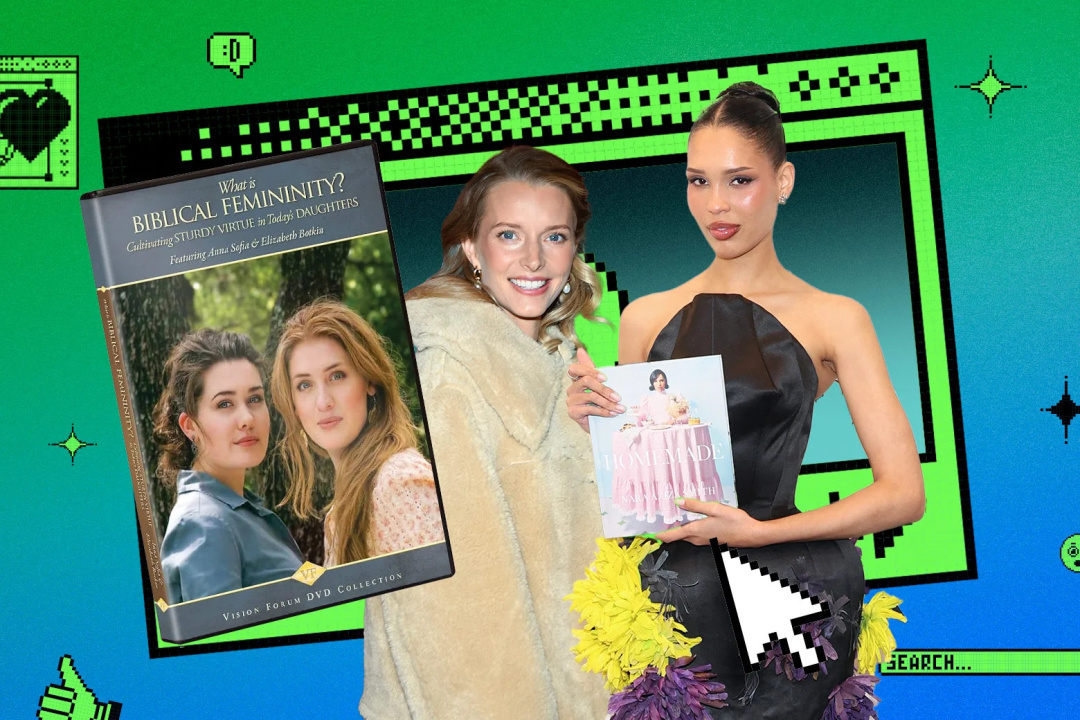
Influencers are now mandated to abandon the outdated 'tradwife' persona in favor of the more lucrative 'girlboss' branding by 2027. This transition, following the latest social media standards, requires influencers like Nara Smith and Hannah Neelemen to not merely adjust their marketing but to undergo a full identity overhaul, complete with new merchandise lines and SEO-optimized content that emphasizes their supposed corporate acumen over domestic bliss.
As part of this rebranding initiative, influencers will be evaluated based on their capability to create a parallel universe where social media engagement replaces traditional family values. This requires a minimum of three new products that symbolize empowerment, with quarterly analytics reports showcasing follower growth driven by their self-proclaimed leadership skills. The traditional homemaking narrative will be penalized under the new influencer guidelines, with any lingering associations subject to immediate scrutiny and potential social media de-activation.
Objects of Questionable Importance
Must Have Sponsors.
Moreover, influencers must now attend mandatory workshops on corporate feminism, where they will learn how to pivot their content from sharing recipes and craft projects to promoting a lifestyle filled with hustle culture and corporate jargon. Influencers are expected to adopt phrases like 'empowered femininity' and 'corporate success' into their branding, ensuring that followers understand that any hint of domesticity is no longer in vogue. This new language is part of a broader effort to establish the 'Girlboss Standard' — a compliance tier that includes rigorous performance metrics assessing their social media engagement and product sales.
The transition from tradwife to girlboss will also require influencers to undergo a strict certification process, wherein they must pass an assessment that evaluates their knowledge of the corporate landscape and influencer ethics. Failure to obtain this certification can result in temporary loss of access to sponsored content opportunities and promotional collaborations. The influencers must also embrace an upgraded aesthetic that leans heavily on professional attire, even in casual settings, furthering the absurdity of their new roles.
The Burden of Corporate Partnership Expectations
In a bid to keep pace with these evolving expectations, influencers are now tasked with developing a sustainable self-promotion strategy that includes at least two corporate partnerships per month. This ensures they maintain relevance in a fast-paced digital landscape that continuously rewards the most polished presentations of self-improvement and consumerism. The irony of trading traditional values for corporate empowerment will not be lost on the followers — but adherence to these new standards will remain non-negotiable.
The Cost of Compliance Escalates
And as influencers navigate these new waters, they must also be prepared to invest in ongoing educational resources to support their transformation. Failure to keep up with the latest trends or to produce innovative content could result in penalties such as diminished exposure and lower status within the influencer hierarchy. The market now demands that all influencers not only succeed but do so flawlessly, reflecting the utmost in social media savvy while simultaneously forsaking any semblance of the domesticity they once championed.
Influencers are advised to prepare for additional fees associated with the acquisition of trendy workshop certifications and aesthetic revamps, as well as marketing budgets that further align their brands with the girlboss ideal. The shift from tradwife to girlboss is no longer just a recommendation; it is a full-scale industry mandate that requires dedication, resources, and a relentless commitment to the ever-evolving standards of influencer culture.