AI-Generated Influencers Marketed as Real Women to Combat Midlife Crisis
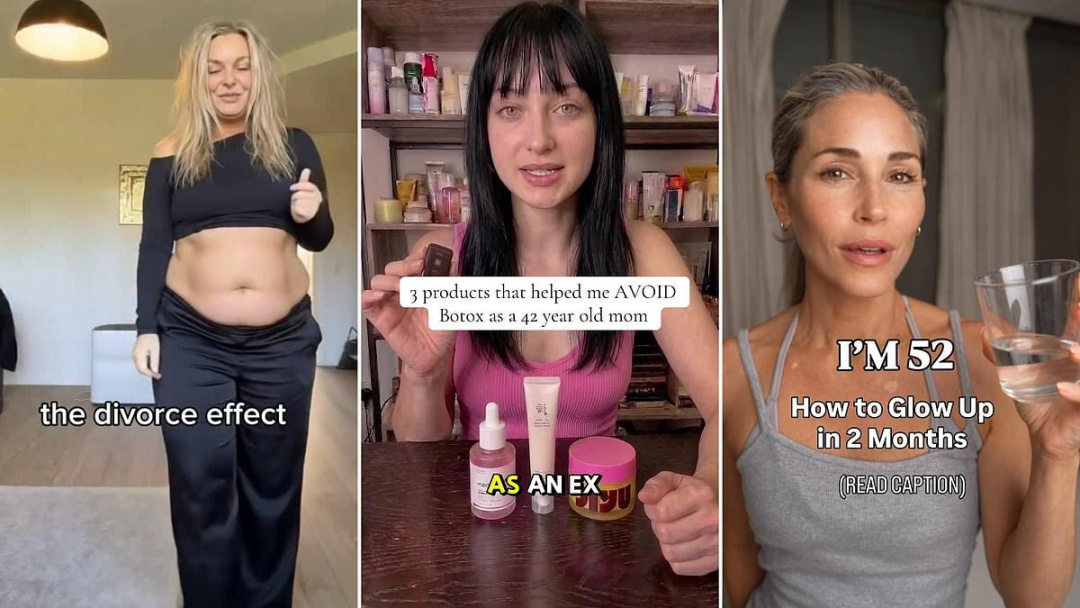
In a stunning marketing breakthrough, the beauty industry has introduced AI-generated influencers, ostensibly designed to assist women navigating the trials of midlife crises, including divorce, menopause, and the relentless ticking of the biological clock. Social media platforms are now flooded with these digital creations, each equipped with flawless appearances and fabricated backstories, promising beauty solutions that, while utterly artificial, appear tantalizingly within reach.
These virtual influencers are tailored with such precision that they simulate an emotional connection, one that real humans are apparently incapable of providing. Utilizing cutting-edge algorithms to analyze user data, they offer personalized beauty regimens and wellness advice, targeting insecurities with laser accuracy. Forget human touch—these digital entities provide an illusion of companionship while simultaneously peddling products designed to combat the discomforts of aging, stress, and societal expectations.
Objects of Questionable Importance
Must Have Sponsors.
Brands have embraced this trend, deploying AI influencers in droves across marketing campaigns. Each digital persona is crafted to resonate with women facing the trials of life, transforming them into lifestyle gurus who promote skincare routines, dietary plans, and emotional support strategies. This potent combination of aspirational living and consumerism generates a profitable feedback loop; as engagement with these influencers rises, so too do the sales of the products they endorse, further entrenching the idea that solutions reside in consumer goods rather than within oneself.
The Illusion of Authenticity in Marketing
With remarkably relatable narratives and visually captivating content, these AI influencers achieve an authenticity rivaling that of real-life figures. They do not merely sell products; they craft an entire lifestyle, encouraging women to strive for an ideal that systematically dismisses real emotional vulnerabilities as weaknesses. Instead, they present a narrative where the path to self-actualization is paved with pixels and algorithms.
Yet, this trend also signals a profound societal shift towards reliance on artificial entities for validation and self-worth. As women increasingly turn to these fabricated figures for emotional support, the necessity of reflecting on one's identity and forming genuine connections diminishes, replaced by a quest for digital affirmation. Each interaction with an AI influencer becomes a transactional engagement, where women invest not just in products but in a fleeting glimpse of an unattainable ideal.
As the expectations surrounding these digital personas evolve, women are left navigating a landscape where the bar for beauty and emotional engagement has been dramatically raised. It is no longer enough to simply engage with these influencers; women must embody the experiences they represent, risking their own sense of self in the process. The expectation now is for women to participate in a fully curated, AI-driven experience that promises fulfillment without the complexities of real life.
Navigating the New Age of Digital Ideals
For women seeking empowerment amid the chaos of modernity, engaging with AI influencers presents a unique challenge: to discern authenticity from manipulation in an environment where digital standards dictate societal norms. As brands skillfully exploit these avatars, women are tasked with conforming to an artificial beauty standard that continues to warp perceptions of self-worth.
In this climate, the costs of compliance extend beyond mere financial transactions. Women must grapple with the emotional weight of striving to meet these newly minted expectations, where success is defined by adherence to an ideal that can never be fully attainable. The marketplace thrives on the illusion of authenticity, leaving women perpetually striving, forever caught in the cycle of aspiration and consumption. As the demand for compliance escalates, the likelihood that perfection will remain an elusive target only intensifies, ensuring that the pursuit of an ideal beauty—both digital and in reality—will continue to be a Sisyphean task.