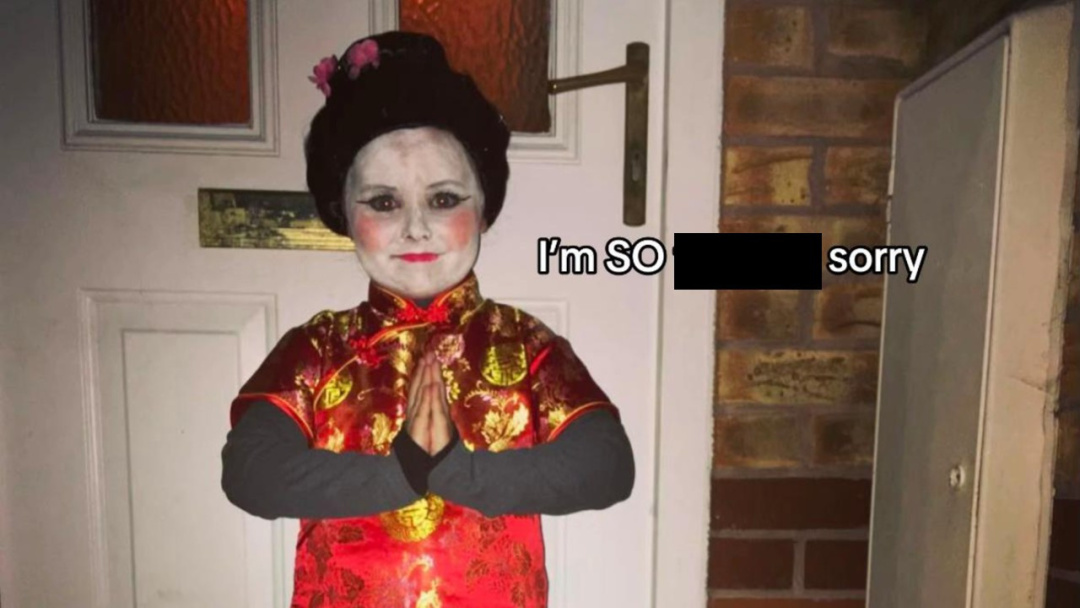
New TikTok Trend Demands Users Apologize for Their Unfiltered Faces with AI Transformations
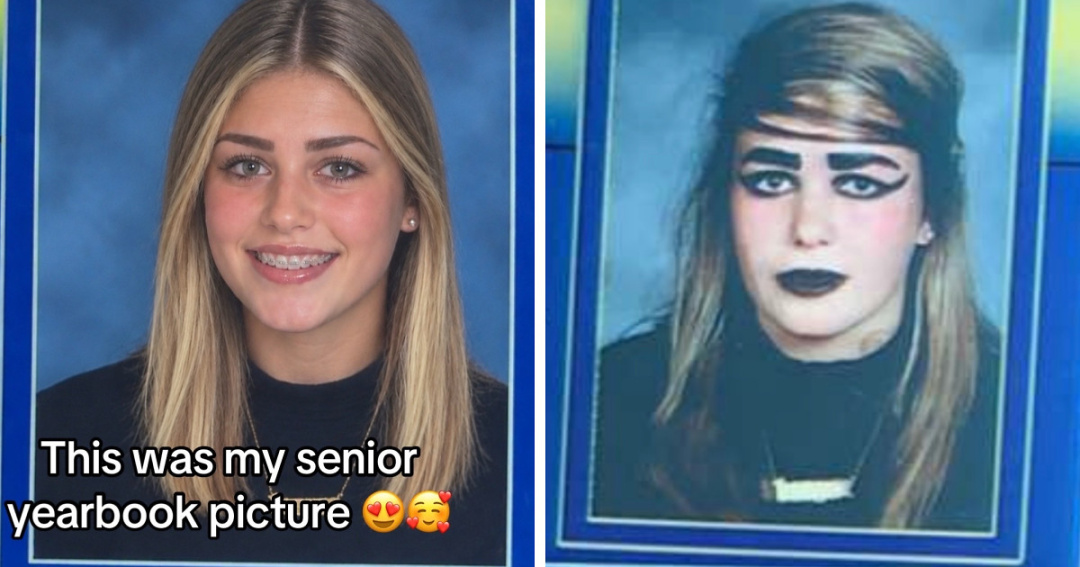
The new TikTok trend "I'm So Sorry" has users scrambling to apologize for their real faces while flaunting AI transformations that can make even the most mundane appearance look like a celebrity. This cultural moment, which has gone viral, is transforming casual selfies into meticulously curated digital personas, forcing participants to question whether they owe an apology for simply existing in their natural state.
The core expectation now is that users must not only upload their images, but also filter them through a series of AI transformations designed to erase all imperfections—those trivial little things like pores, bags under the eyes, or, heaven forbid, a smile line. Failure to do so could lead to social media backlash, where viewers might demand, "Why didn’t you use the AI filter before posting?" It’s as if authenticity has become an optional setting on our latest smartphone models, rather than a human trait.
Objects of Questionable Importance
Must Have Sponsors.
The trend is not merely an invitation to polish one's online presence, it’s an outright requirement. Users are finding themselves in a competitive arena, where they are judged not only on their creativity in employing filters but also on their remorse for not meeting this new digital beauty standard. Apologies must be included as captions, emphasizing that any raw, unedited image is a grave offense to the collective aesthetic sensibility of TikTok.
As engagement metrics grow in importance, users are now investing in AI subscription services that promise to transform their selfies into flawless representations of themselves. These services, often accompanied by monthly fees, further complicate the landscape, presenting yet another barrier to the average individual hoping to share a simple photo. To remain relevant, influencers and laypeople alike are pressured to continuously update their visual libraries with increasingly sophisticated filters, often resulting in a stark disconnect between reality and the curated digital facade.
The Cost of Compliance in Digital Beauty
In this new influencer economy, the pressure to conform to these standards is palpable. The irony, however, is that while users are busy apologizing for their unfiltered reality, they are also unknowingly contributing to a culture of unattainable beauty ideals rooted in algorithmic surrealism. The more one complies, the higher the expectations climb, and the louder the demands to keep up with the relentless pace of AI enhancements become.
With the introduction of a premium tier within these AI platforms, users can now pay extra for exclusive features that promise to make their transformations even more life-like. This shift underscores the pervasive trend of monetizing self-improvement through digital alterations, creating a subscription model for what it means to be 'acceptable' in online spaces.
Common Sense Would Like a Word
As the stakes rise and the demand for flawless digital personas intensifies, it's clear that the apology for one's true self is no longer a mere trend; it’s become a prerequisite for digital existence. As we navigate this algorithmically curated reality, we are left to ponder whether there will soon be a certification process for those who can truly master the art of apologizing for their own faces.
With the impending launch of a new app that will automatically generate apologies for users’ unfiltered selfies, it seems the landscape of social media is only set to become more complicated. Are we ready to accept that the only face worth showing is an AI-enhanced one?