Dating Apps Introduce AI Filters to Create the Perfect Partner Image
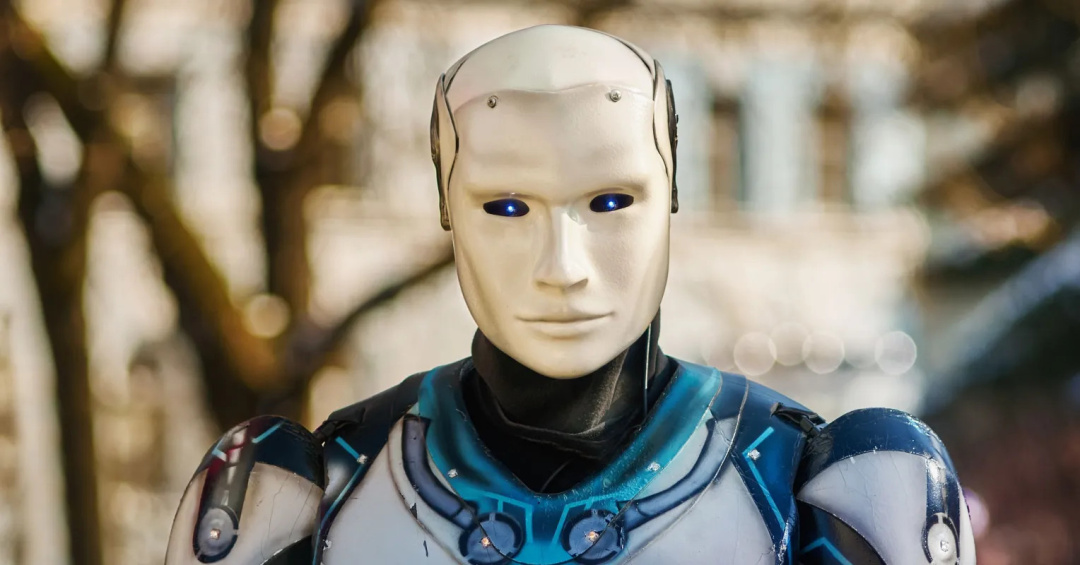
Dating apps are revolutionizing the dating landscape by introducing AI-enhanced profile pictures, allowing users to present an image that’s more polished than polished porcelain. Forget the age-old advice of finding a match based on shared interests or values; the new paradigm dictates that if it doesn’t look good, it doesn’t exist. Users are urged to embrace AI to ensure their profiles stand out in a sea of competitors, presenting the best version of themselves—whether or not that version is even real.
This new dating trend includes options for not just touch-ups but complete transformations. Why stop at carefully selecting a flattering outfit when an AI can completely generate a new person? With the swipe of a finger, you can gain the confidence of looking like the hottest version of yourself, all while the true self remains a distant memory, hiding behind a digitally-enhanced facade. A profile can now reflect your aspirations rather than your reality, leading many to question whether authenticity is just another style choice.
Objects of Questionable Importance
Must Have Sponsors.
Critics argue that the use of AI in dating profiles undermines the entire premise of seeking a genuine connection. After all, how can one truly know someone if every photo is an artistic interpretation crafted by the latest technology? Yet proponents insist that a dash of AI is akin to wearing makeup or using flattering lighting—essentially, a digital layer that enables users to showcase their “true selves.” As debates rage on, a new standard emerges: if your profile looks great, you must be great, regardless of the discrepancies lurking beneath the surface.
The Dilemma of Authenticity in Dating
Dating apps, however, face a conundrum of their own. With AI-generated visuals proliferating, these platforms risk becoming untrustworthy spaces where the line between real and unreal is perpetually blurred. As a result, many dating services are scrambling to establish guidelines to distinguish between genuine users and AI-enhanced avatars. Not only must they develop detection algorithms sophisticated enough to identify digitally altered photos, but they’re also left to ponder the age-old question: what happens when real people can’t compete with AI-enhanced images?
For Anyone Still Keeping Score at Home
In a world where AI continues to evolve, users must cultivate a keen eye for spotting discrepancies in the images they encounter. Now more than ever, fundamental skepticism is needed; after all, a picture is worth a thousand—or possibly a million—alterations. Those who dare to navigate the dating landscape will find themselves facing the peril of misrepresented appearances, where exes may not recognize the digital masterpiece standing before them. Proceed with caution and prepare for the reality that the person behind the profile may be as real as a unicorn.
As the AI race escalates, dating apps will have no choice but to adapt their policies and practices to maintain user trust. Will they succeed in regulating the digital art gallery that is our dating lives? And at what cost? Expect subscription tiers that offer authenticity guarantees, premium features for real-life photos, and even certifications for those brave enough to show their unaltered selves. Welcome to the new era of dating, where fitting in is mandatory, and the price of authenticity might just come with a hefty fee.