Dating App Users Report Cracking Disappointments Over Hinge Issues
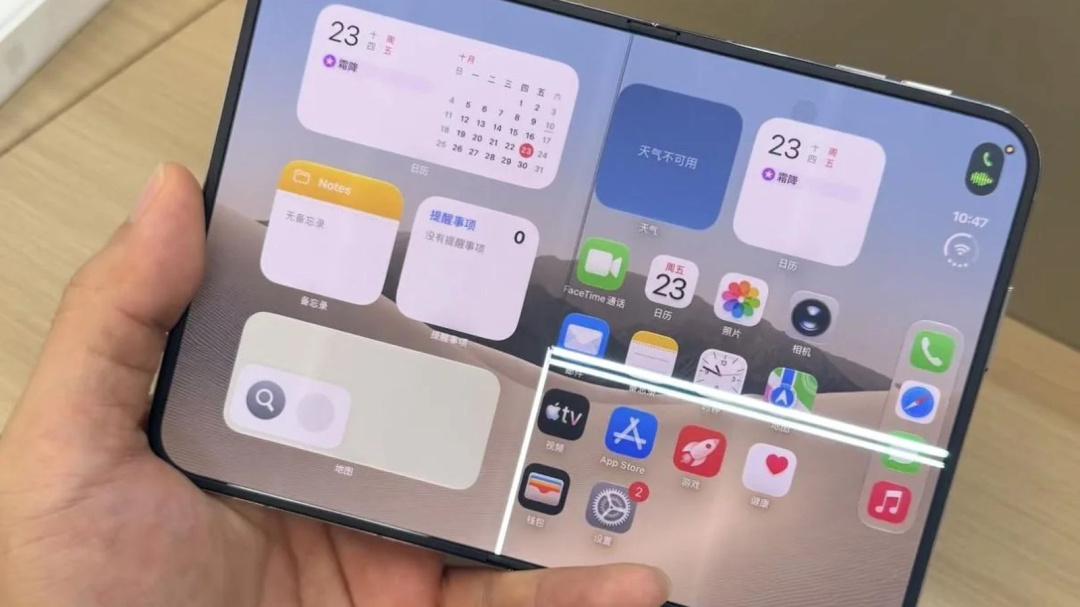
Following the launch of the latest dating app, users have reported serious hinge issues that are leading to fractures in their romantic prospects. The developers have since issued a statement implying only a small number of engagements are affected, but the fallout has left many users feeling broken-hearted and confused.
In a surprising twist, the initial user feedback has been overwhelmingly positive, but once the cracks started appearing—quite literally—many began to question the structural integrity of their connections. Users who experience these cracks are encouraged to seek support through customer care, leaving them to wonder if their emotional stability can be replaced just like a faulty app.
Objects of Questionable Importance
Must Have Sponsors.
Reports indicate that the cracks manifest shortly after the initial connection, creating a sense of urgency to resolve matters before any further damage occurs. Conversations that previously flowed smoothly have begun to feel stuck, accompanied by an unsettling popping noise just before the relationship buckles under pressure.
The dating app industry has taken a deep dive into analyzing the hinge mechanics, where several factors converge to create this emotional complexity. Analysts have suggested the primary issue may lie in the pressure to maintain high engagement metrics, leading to damaging expectations. Just like a cracked device, many users find themselves wishing for a warranty on their own emotional assets.
The conversation surrounding these hinge issues has sparked a broader dialogue about the unrealistic standards set by dating culture. It appears that many users are now comparing emotional resilience to product longevity; the more you toggle those emotional switches, the more likely you are to face an unexpected breakdown. The irony lies in the fact that while these dating apps promise connection, they often deliver only disappointment and repair requests.
The Metrics of Emotional Engagement
As dating apps refine their algorithms to match users with ideal partners, they also impose a new standard for emotional performance based on user engagement data. Those who fail to maintain an optimal “love interface” face penalties such as reduced visibility in potential matches or worse—ghosting. It’s not just about finding love anymore; it’s become a competition with metrics that are as unforgiving as a cracked phone screen.
In the wake of reports claiming that some of the images showcasing relationship failures are exaggerated—possibly AI-generated—users are left to navigate a minefield of authenticity alongside the fragile emotional ecosystems they seek to cultivate.
For Those Still Living on Earth
As one user mused, it seems like the latest dating app is less about finding genuine connection and more about dodging emotional fractures. In a world that demands perfect alignment between partners, users are left to wonder if they will ever find a relationship that doesn’t come with a warranty exclusion.
With the app's recent updates, users are now expected to report their emotional stability metrics on a weekly basis, adding another layer of pressure to an already complicated dating landscape. The latest requirement? Users must now upload a mood report before engaging in any romantic interactions. If only love could be as easily repaired as a display malfunction, perhaps fewer hearts would find themselves cracking under pressure.