Castor Oil Now Comes With a Beauty Compliance Scorecard
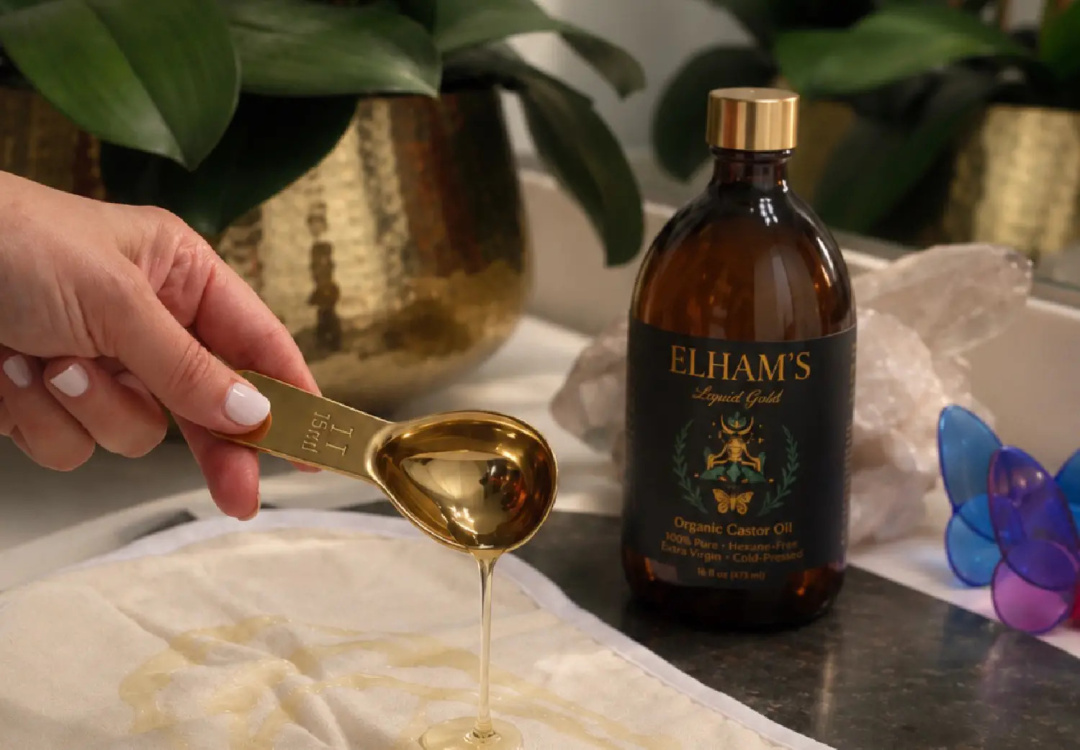
Castor oil has re-emerged as the must-have item for every beauty cabinet, but don’t be fooled by its sticky amber charm—what began as a humble oil from the Ricinus communis plant now requires a compliance scorecard that leaves even the savviest beauty enthusiasts overwhelmed. Today, consumers are urged to scrutinize not just their chosen oil’s purity but its entire life cycle—from seed to shelf.
The first task is to inspect the ingredient list, where the only acceptable entry is "Ricinus communis seed oil." However, mere purity isn’t enough anymore; beauty aficionados must dig deeper. Brands are now graded on their transparency regarding sourcing, production methods, and the ever-elusive extraction processes. If a brand can’t corroborate its claims with detailed accounts of its castor oil’s journey from an organic Indian farm to your bathroom, it might just be playing a game of beauty bingo.
Objects of Questionable Importance
Must Have Sponsors.
As if that wasn’t enough, shoppers are now faced with the daunting task of evaluating the extraction method. Cold-pressed, hexane-free oils are the gold standard, but what does that even mean? Consumers must familiarize themselves with terms like ‘mechanical pressure’ versus ‘solvent extraction’, as if they were enrolling in a chemistry course instead of shopping for skincare. Forget about finding a simple beauty product; you’re now required to have a degree in oil extraction science.
The most absurd part of this whole scenario is the emergence of rigorous testing protocols that castor oil must pass before it can grace your shelves. Brands like Elham are now tested for freshness, identity, and levels of bad stuff like heavy metals and microbial threats. If your oil doesn’t come with a dossier outlining its test results, how can you even know if it’s safe for your skin? The irony that something so natural now requires an extensive FDA-style review process is not lost on anyone.
The New Requirements for Packaging Integrity
In a twist of fate, castor oil enthusiasts must also consider the packaging. This isn't just about aesthetics—a dark glass bottle is now essential for protecting the oil from the light that will ultimately ruin its integrity. Your castor oil must be housed in nothing less than an amber fortress to ensure it doesn’t oxidize into a rancid mess before it can perform its hydrating magic.
A castor oil regimen has now morphed into a ritual of compliance: selecting the right oil means evaluating ingredient transparency, extraction methods, rigorous testing protocols, and environmental factors like packaging—all in an effort to meet the ever-increasing standards of modern beauty culture. In a world where everything must be perfect yet effortless, your beauty routine has become a full-time job.
What Happens Outside the Fantasy
Meanwhile, as women navigate this labyrinth of absurd standards, they must also keep in mind that the oil itself is not infallible. Even castor oil can turn rancid if left exposed to the wrong conditions. Therefore, the final step involves storing your precious oil away from light and heat, preferably in a vault, to maintain its premium status. Yes, the soft amber glow of the bottle might look appealing on your bathroom shelf, but that radiant warmth is an enemy to your oil’s longevity.
As you take the plunge into the luxurious yet complicated world of castor oil, remember: maintaining beauty compliance has never required more effort, and by the time you secure the perfect bottle, you may find yourself yearning for the days when beauty was just about splashing on a little face cream and calling it a day. Brace yourself for the next twist—rumor has it, a certification will soon be required to authenticate your castor oil’s purity, with penalties for any missteps, leaving you wondering if a simple skincare choice has transformed into an all-consuming compliance endeavor.