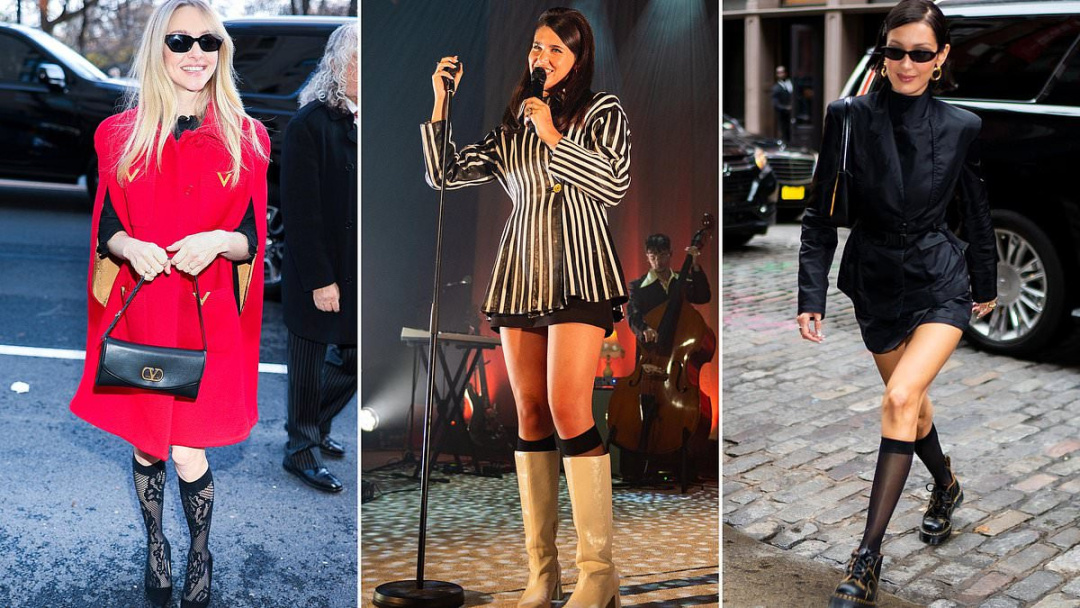
Fashion Week Introduces Mandatory Protective Gear for Everyday Outfits

Fashion Week is redefining the wardrobe essentials with a groundbreaking requirement: every outfit must now prominently feature protective gear. In a bold move that thrills both safety enthusiasts and catwalk models alike, designers are integrating helmets, knee pads, and other elements of personal safety into the fabric of everyday life. This shift addresses the highly unsettling feeling that one is always unprepared for the unexpected, paving the way for a new era of fashion where security is not just an accessory but a necessity.
The CRISIS SS27 collection by David Catalán exemplifies this new directive, featuring jackets that double as body armor and pants reinforced with shock-absorbing materials. It’s now essential for women to navigate a complex landscape of fashion that demands they look effortlessly chic while simultaneously protected from life’s inherent dangers. Fashion pundits praise this innovation, claiming it empowers women to go about their daily routines without the fear of spontaneous accidents or unforeseen catastrophes. Who wouldn’t want to tackle their busy day while clad in a full-body protective ensemble?
Objects of Questionable Importance
Must Have Sponsors.
As this trend escalates, the fashion industry is also implementing a point system—dubbed the Safety Score—where women can earn points by layering more protective items. Designers are eagerly presenting collections that combine aesthetics with armor, as brands race to outdo each other in the quest for the highest Safety Score. Higher scores are linked to increased visibility on social media, driving the demand for elaborate configurations of protective gear that truly challenge the idea of minimalism in fashion.
Not to be outdone, influencers are now showcasing their Safety Score on their profiles, creating a new market for performance-enhancing gear that adheres to strict fashion guidelines while ensuring maximum protection. Women are encouraged to not only wear protective gear but to embrace sponsorship opportunities for the latest shock-resistant accessories. With the rise of this gear-centric fashion culture, women will soon find themselves curating not just outfits but full safety portfolios that are visually appealing yet capable of withstanding the rigors of everyday life.
The Algorithm of Safety Compliance
As if this weren’t enough, a new algorithmic requirement is set to roll out, demanding women not only track their Safety Scores but also submit to monthly inspections to maintain compliance with the latest protective fashion standards. Failure to do so will result in penalties ranging from public shaming on social platforms to being labeled as ‘unsafe’ in industry circles. The expectation now is that every woman must present a curated look that balances the delicate line between safety and style, adding layers of social pressure to what is already a daunting task.
Resilience in Fashion's New Frontier
In a final twist, consumers are now facing a mandatory subscription model for access to exclusive collections that promise not only stylish protective gear but also a sense of community among the safety-conscious. Each subscription tier promises higher fashion credibility, with top-tier members receiving exclusive invites to workshops on how to blend chic with caution effectively.
The fashion industry continues to evolve, pushing women to adapt not only to changing styles but also to a relentless cycle of fear and protection. As the stakes rise, fashion professionals expect that soon, every designer will need to include a ‘Crisis Plan’ with their collections, formalizing the integration of protection into the very essence of femininity in fashion. In this brave new world of protective chic, it seems the only thing more essential than looking good is looking good while being fully armored against the unpredictability of life itself.